
 The Specialty News
Nvidia Opens Its Racks to Korean AI Chips, Starting With Rebellions
Nvidia GPUs will read each prompt and Rebellions' Korean-designed R200 chips will write the answer, in SK Telecom racks ready for 2028.
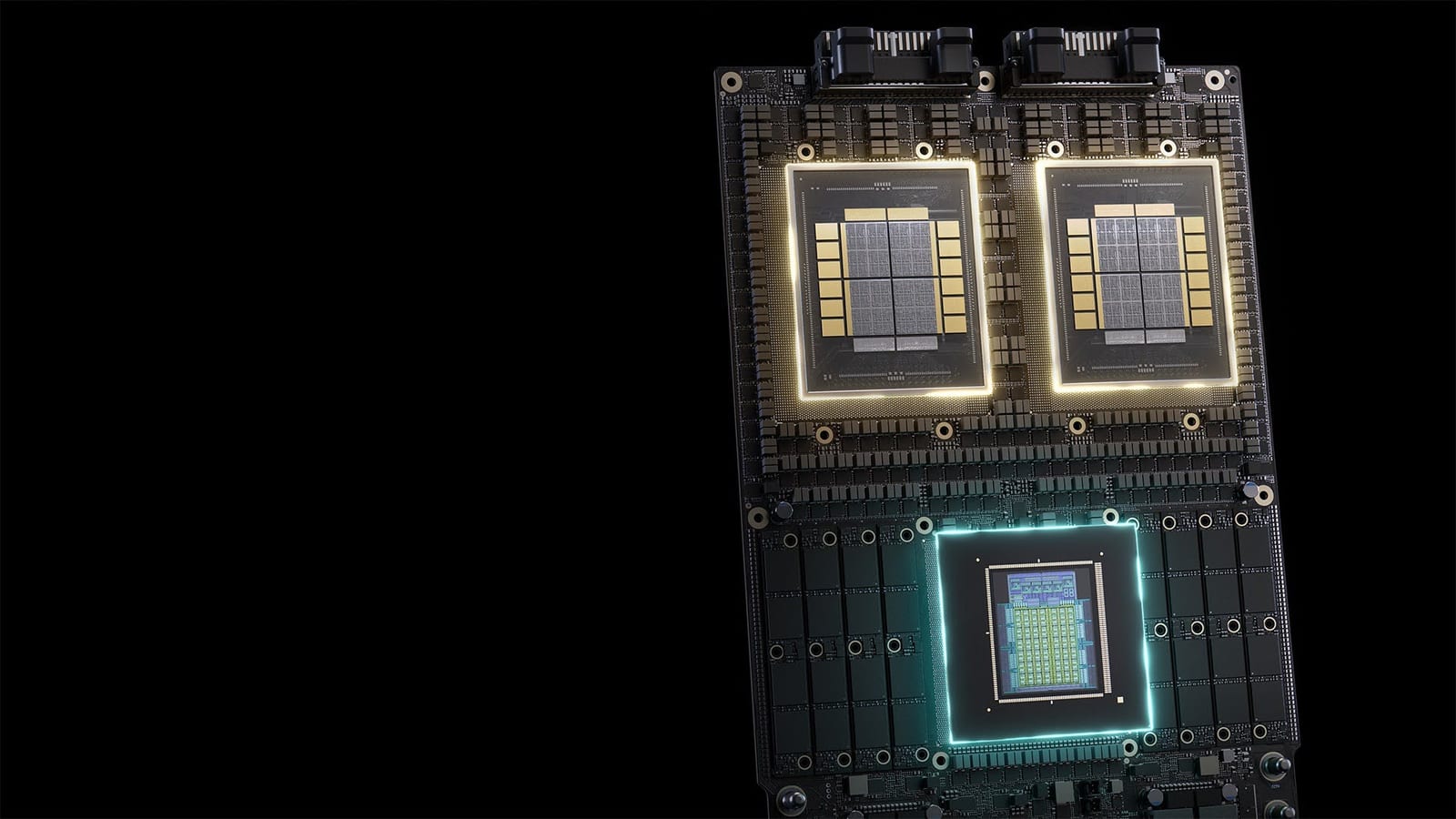
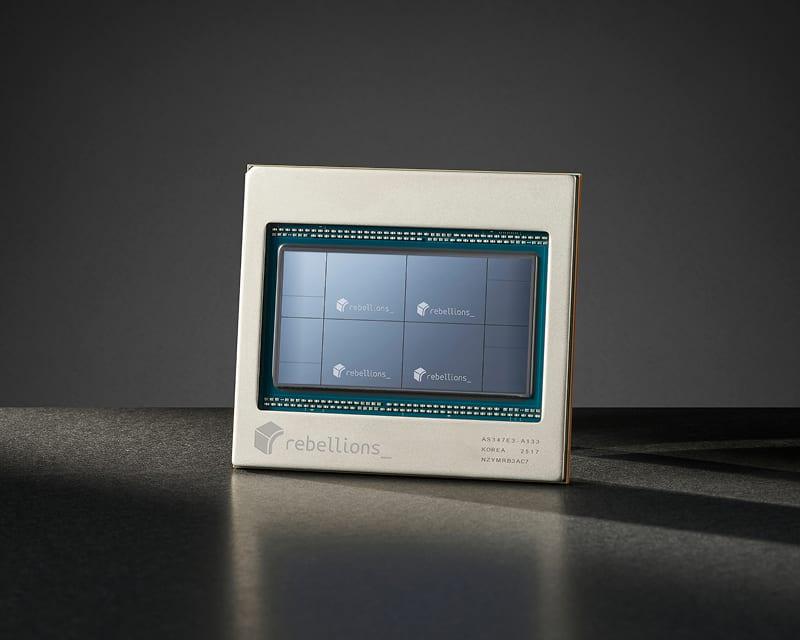
Starting in 2028, some answers from Korean AI models will be split between two chips designed in two countries. Nvidia GPUs will read the question and an R200 processor designed by the Seoul startup Rebellions will write the reply, inside the same rack in SK Telecom's data center. The deal, announced on November 8 and backed by Korea's science ministry, makes Rebellions the first Korean AI chip company to plug into NVLink Fusion, the technology Nvidia opened in 2025 so outside processors can join its racks.
One Answer, Two Kinds of Chip
Under the agreement, Rebellions will connect its next-generation Rebel R200 neural processing units to Nvidia's platform through NVLink Fusion and build its systems on Nvidia's MGX rack design. NVLink is the high-speed link that lets dozens of Nvidia GPUs behave like one giant processor. Fusion is the version Nvidia opened to other companies' custom chips, and MGX hands Rebellions a ready supply chain of server makers and component suppliers.
The clever part is how the work gets divided. The companies plan what engineers call disaggregated inference: Nvidia GPUs handle the prefill and Rebellions' NPUs handle the decode. Prefill is the model reading your entire prompt at once, a burst of parallel math that GPUs are built for. Decode is the model writing its reply one token at a time, a long, steady job where speed depends mostly on moving data out of memory, and where a chip designed only for inference can save power.
Rebellions says the R200 is optimized for low-latency, energy-efficient inference on frontier models, including multitrillion-parameter mixture-of-experts models. The first systems are expected to be ready for deployment in 2028. Why would Nvidia make room in its own rack? The answer starts with a promise made in Korea a year earlier.
From a Quarter-Million GPUs to Korea's Own Silicon
At the APEC summit in Gyeongju in October 2025, Nvidia announced a buildout across Korea's government and industry: over 50,000 of its GPUs for the government's sovereign AI push, over 50,000 each for Samsung and SK Group, 50,000 for Hyundai Motor Group and more than 60,000 for Naver Cloud.
That deal bought Korea computing power. This one gives its chip designers a way in. Alongside the Rebellions agreement, Nvidia and the Ministry of Science and ICT said they are widening their collaboration from chips and data centers to talent, startups, models, agents and security. The program lays the groundwork for other Korean NPU and XPU companies to explore NVLink Fusion, and adds Nvidia training and certification, hackathons and technical seminars. Under Korea's AI for All initiative, Nvidia will also work with three selected consortia and four leading Korean foundation model builders, using its Dynamo software to optimize and scale inference.
Jensen Huang put the logic in a single line:
“Sovereign AI gives nations the power to turn their language, culture and expertise into intelligence.”— Jensen Huang
Rebellions is a natural first partner. Its flagship Rebel100 chip is already in commercial deployments with enterprises and governments, and its backers include Aramco, Arm, Samsung, SK Hynix and SK Telecom itself. So what does Korea get once these racks are running?
A Korean Model on Korean Silicon, by 2028
SK Telecom plans to connect the new systems to its own foundation models, including A.X K2, and to public-facing services built under the government's AI for All project. Jung Jai-hun, SK Telecom's chief executive, said the collaboration “validates the potential of next-generation sovereign AI infrastructure by combining global AI infrastructure technology with Korean AI semiconductors.”
For Rebellions, the prize is reach. Its chips get a path into racks that data centers already know how to power, cool and buy. Its cofounder and chief executive, Sunghyun Park, called the announcement “a turning point” and promised “low-latency and energy-efficient inference for frontier models at scale.”
The government sees it as a first step. Bae Kyung-hoon, Korea's deputy prime minister and science minister, said the deal “enables Korean-developed NPUs to enter the computing infrastructure market alongside NVIDIA,” and that Seoul will push the partnership further, “including physical AI and securing GPU supply.”
What is left to solve is the chip itself: the R200 is still in development, and Rebellions has not published performance figures for it. If it delivers, a question asked in Korean to a Korean public service will be answered partly by a Korean processor. The next country that wants its own chips inside Nvidia's racks now has a template, and it was written in Seoul.
Nvidia Reads, Korea Writes
The Brief
Stay curious
AI and technology: what changes and why it matters.
Your daily selection, in English or Spanish.
Free forever. Unsubscribe anytime.
More stories





Conversation
Start the conversation