
 The Specialty News
Apple Drafts Nvidia to Build a 4-Chip M8 AI Server, and Enterprises Get Local Inference in a Box
The unreleased 2029 system links four upcoming processors with Nvidia networking, marking Apple's return to the data center hardware it abandoned 15 years ago.

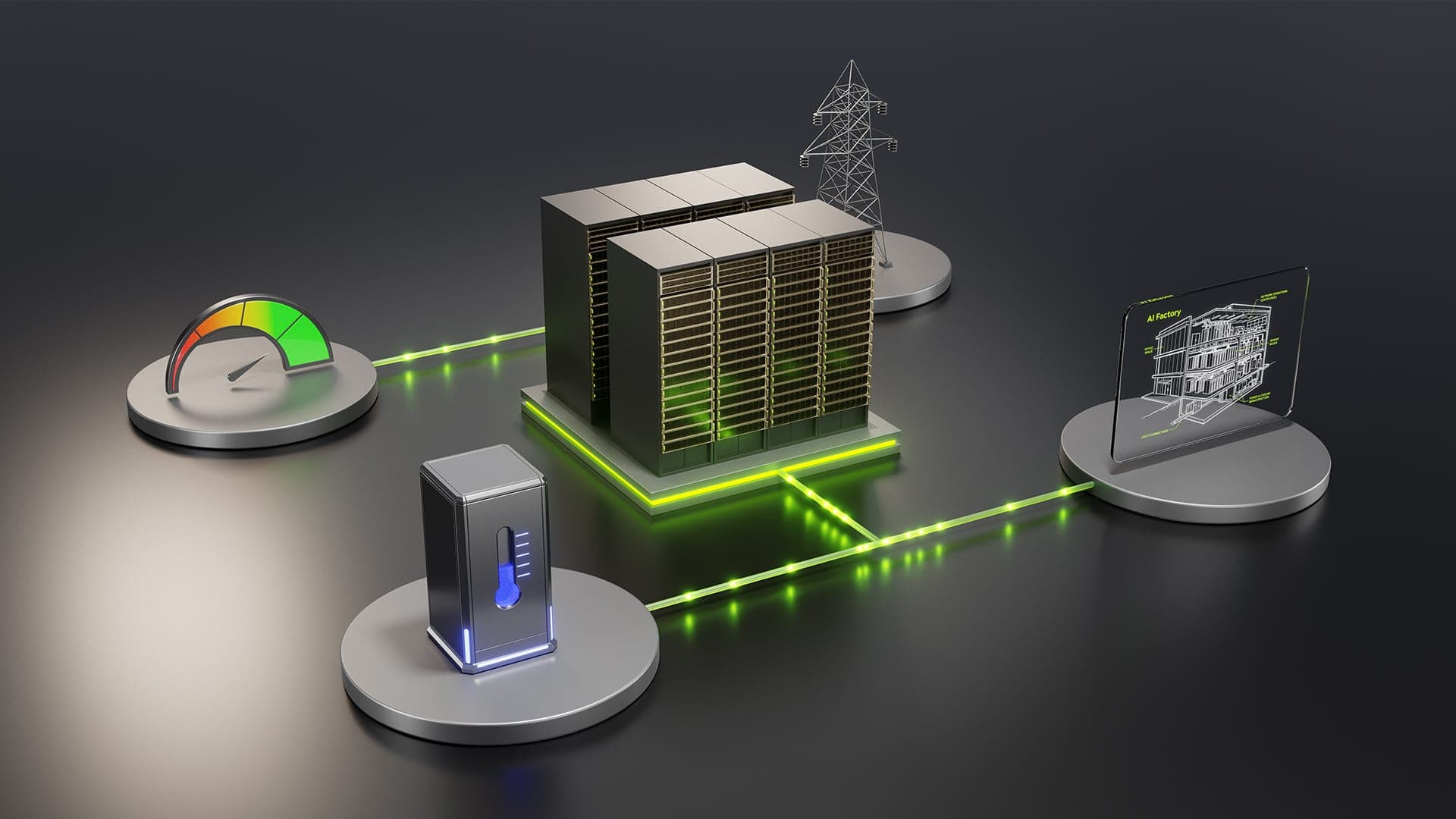
Fifteen years after Apple formally discontinued the Xserve and abandoned the rack-mounted data center market, the company’s hardware engineers are negotiating an alliance with their oldest Silicon Valley rival. Apple is developing an enterprise AI server powered by its upcoming M8 processors, networked through Nvidia hardware. For hospitals running patient diagnostics, financial firms guarding proprietary algorithms, and defense agencies handling classified intelligence, sending data to hyperscaler clouds like AWS or Google is a security non-starter. This system is designed to give them a high-powered alternative: running massive AI models on local hardware with Apple's power efficiency and Nvidia's data transfer speeds.
The Local Supercomputer
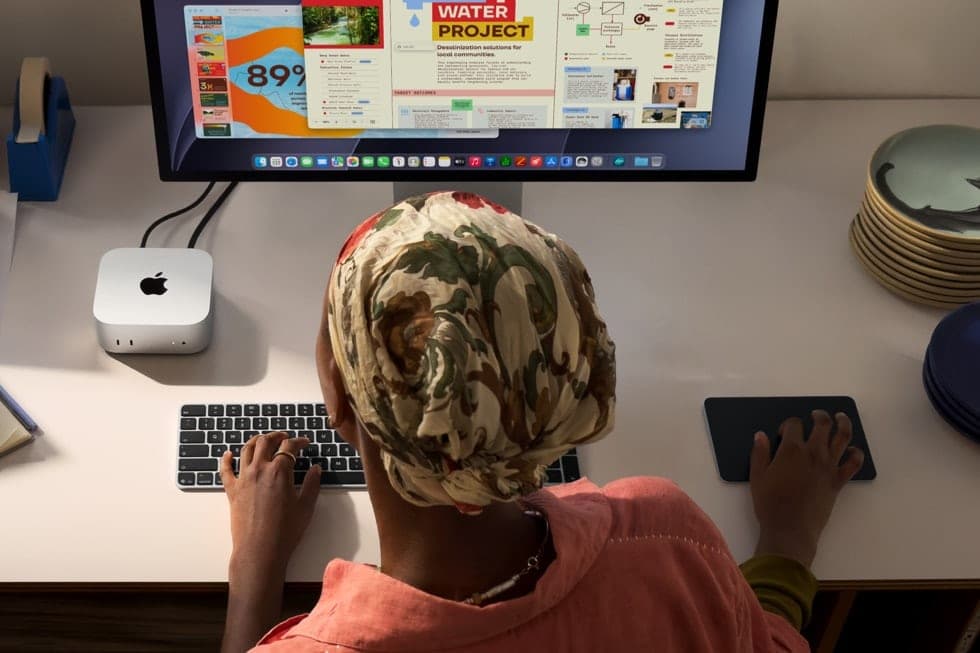
The physical architecture relies on chaining together up to four unreleased M8 Ultra processors. To picture the compute density, imagine taking Apple's current top-tier Mac Studio—a machine already favored by machine learning researchers—and multiplying its processing power by four within a single server rack. That configuration creates a highly localized compute node built specifically for heavy AI inference.
The unexpected catalyst for this project was a grassroots movement of open-source AI developers. Drawn to the massive, shared memory pools of Apple Silicon, developers began buying up consumer Macs in such high volumes that Mac revenue recently topped $10.4 billion. That adoption proved to Apple that a sprawling, unserved market for private AI hardware exists. To scale that hardware into actual data centers, however, Apple needed to solve how these chips talk to each other.
Pragmatism Over Old Grudges

Apple and Nvidia have not collaborated since 2008, following a defect in Nvidia graphics chips that caused widespread MacBook motherboard failures. But the sheer bandwidth requirements of modern AI clusters have forced a reconciliation between the two hardware giants.
“NVLink Fusion... is currently the best connectivity solution available. — Internal assessment by Apple hardware engineers”
Apple's proprietary chip-to-chip connections, while exceptionally fast inside a single laptop, become too costly and slow to scale across rows of data-center racks. By utilizing Nvidia's NVLink Fusion fabric to stitch the M8 chips together, Apple saves years of bespoke networking research. John Ternus, who took over as Apple CEO in September 2026, championed this project during his tenure as hardware chief. His mandate gives the 2029 target release date real weight, moving the project toward production. The immediate hurdle is building the enterprise support apparatus to match the silicon.
The Missing Software Bridge
Hardware efficiency is only half the requirement for a data center. While Apple’s MLX framework is gaining traction among developers, Nvidia’s CUDA software ecosystem remains the undisputed language of AI training and deployment. Transitioning a macOS-based server into a viable, rack-mounted alternative requires deep investments in enterprise software tools. Furthermore, Apple operates as a consumer retail giant; selling mission-critical hardware requires 24/7 business-to-business service-level agreements and a dedicated field sales operation that the company hasn't staffed in over a decade.
If Apple bridges that gap, the physical location of enterprise AI shifts. Rather than renting cloud compute and exposing sensitive data to public networks, organizations will purchase their infrastructure outright. By packaging the memory efficiency of M8 chips with data-center-grade networking, Apple is building the hardware to ensure the most sensitive AI workloads never have to leave the building.
What people are saying

“startup idea: a gpu for video games that’s completely useless for AI.”

“Claude Code 2.1.273 has been released. 64 CLI changes Highlights: • Remote-control sessions can be forked into background local sessions, preserving state and freeing the UI • Notifies when an MCP server disconnects mid-session and reconnection fails, with /mcp diagnostics to”

“MANGA Plus by Shueisha is conducting a new User Survey until September 27th, 2026. The survey asks users about volume purchasing through the platform, AI translations, and new features to add.”

Apple Drafts Nvidia for AI Servers
The Brief
Stay curious
AI and technology: what changes and why it matters.
Your daily selection, in English or Spanish.
Free forever. Unsubscribe anytime.
More stories



Conversation
Start the conversation