
 The Specialty News
Apple's M6 Mac Mini Matches a Workstation's 22,783 Multi-Core Score, Unlocking Local AI
The transition to a 2-nanometer process gives independent developers a desktop that runs complex models without cloud API fees.

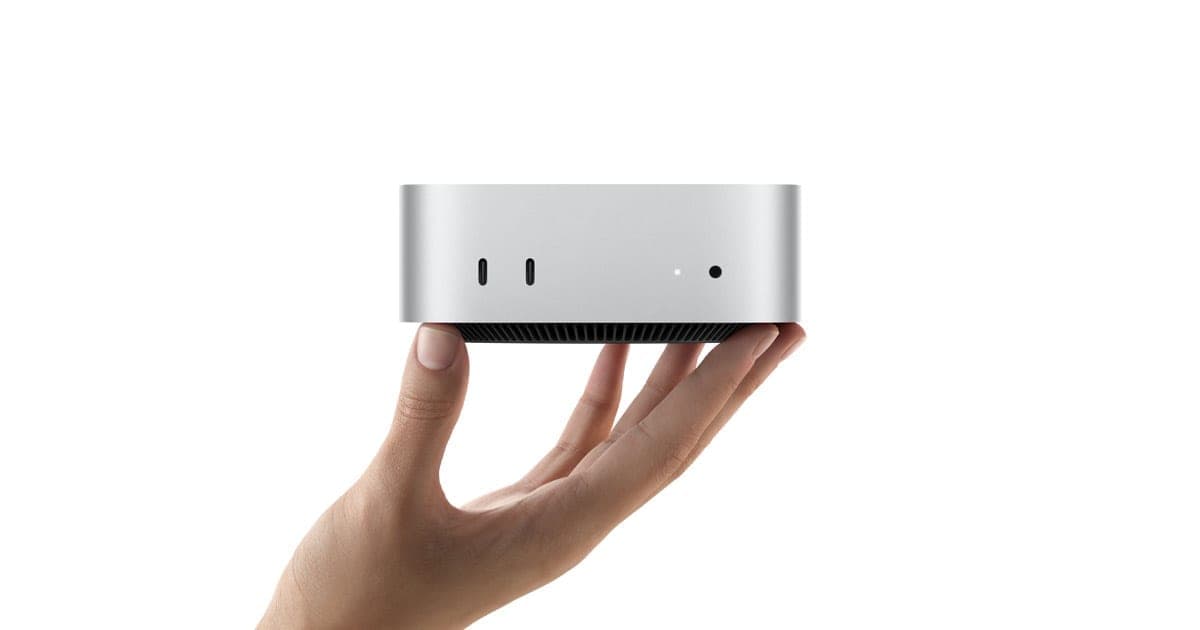
Four years ago, accessing this level of computing power required a $3,999 Mac Studio workstation. Next week, Apple will ship the exact same multi-core processing capability in a silver square small enough to toss in a backpack, starting at $899. The baseline for desktop computing just took a steep jump upward.
The 22,783 Benchmark
The shift is detailed in a Geekbench 7 result logged on September 15. Tested under the hardware identifier Mac18,5, the M6 chip returned a multi-core score of 22,783. That figure mathematically matches the M1 Ultra, a sprawling piece of silicon that dominated the high-end studio market in 2022. Compared to last year's M5, the new chip delivers a 27 percent performance increase.
This leap stems directly from Apple's move to Taiwan Semiconductor Manufacturing Company's 2-nanometer fabrication node. By shrinking the transistors, silicon engineers packed a higher density of logic gates into the exact same physical footprint. The machine draws no extra power and generates no extra heat, yet processes data 2.5 times faster than the original M1 chip that reset industry standards in 2020. The question is how the architecture routes that new capacity.
The Two-Nanometer Engine
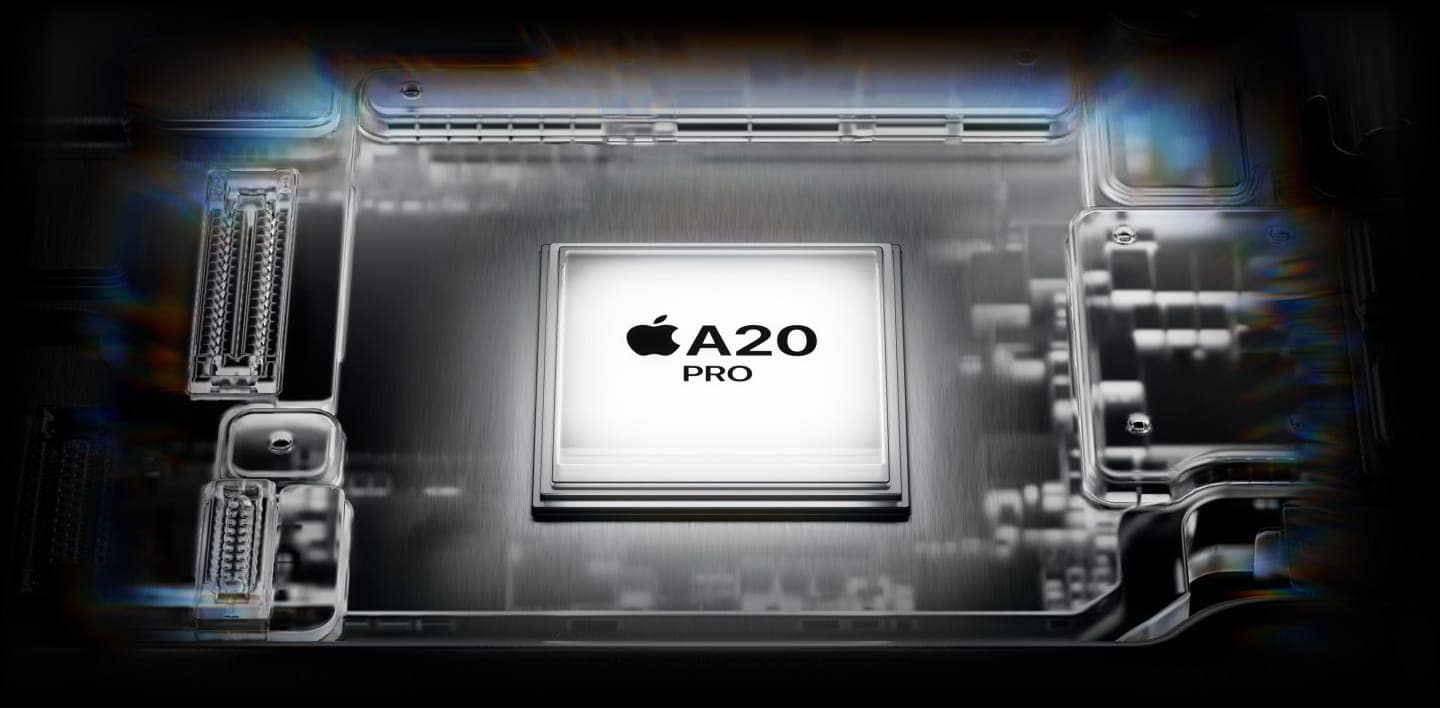
Apple abandoned a simple split between standard performance and efficiency cores for the M6. Instead, the 12-core CPU introduces two specialized Super Cores. These units are designed strictly for single-threaded burst workloads, handling the sudden CPU spikes that occur when compiling code or launching a heavy application. The resulting single-core score of 4,071 tops every other Mac and PC currently in the Geekbench database.
“Moving to 2 nanometers lets Apple pack more transistors into a smaller die, and Apple says that density is a big part of why this chip gains ground on both performance and power efficiency at the same time.”— Dan Barbera
The architecture also integrates a Neural Accelerator into every one of its 12 GPU cores and widens the unified memory bandwidth to 170 gigabytes per second. This structure is built specifically to process inference tasks on the machine itself, rather than sending them away to a server farm. The remaining unknown is exactly how high the graphical ceiling reaches.
The Local AI Shift
Independent developers, video editors, and local AI researchers gain a clear advantage from this layout. Running a large language model usually requires paying continuous API fees to cloud providers and sending proprietary data off-site. The M6 enables a researcher to run advanced models locally on an entry-level desktop, keeping their work secure and entirely free from recurring costs.
While the CPU scores validate Apple's promised gains, third-party GPU testing remains unlisted, leaving a claimed four-fold AI performance boost waiting for verification. Physical memory also sets a hard ceiling on local modeling. The standard 32GB of unified memory is high for a base model, but developers running extensive language models will likely push for 48GB configurations to prevent data bottlenecks.
When the new Mac Mini officially ships on September 22, it will deliver a workstation engine inside a consumer chassis. Apple just put professional studio power on the entry-level desk, making local AI a practical reality for anyone who builds.
What people are saying

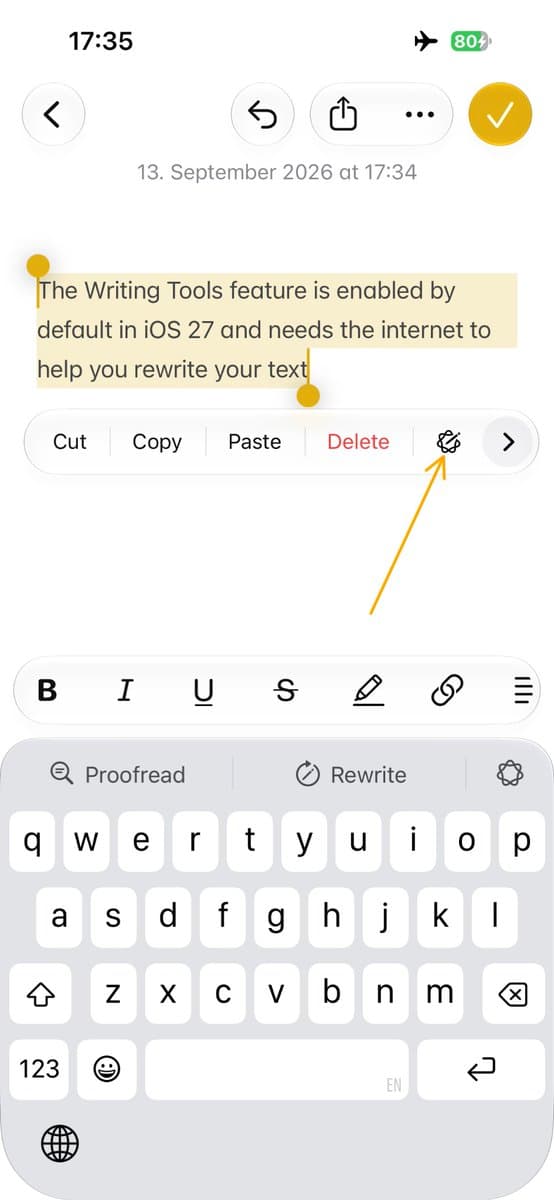
“In iOS 27, there’s no longer simple toggle to disable Apple Intelligence entirely. Some features like Writing Tools can also send data off-device for processing through Private Cloud Compute After some digging, here’s how to disable Writing Tools: 1️⃣ Settings → Screen Time 2️⃣”

“The new Apple health app is redesigned with Apple Intelligence so you can actually get personalized guidance on all that data. Finally There's even a new "Health Age" metric... sound familiar? @WHOOP”

“Nex-N2.5 feels less like “another model launch” and more like a push toward agents that can actually finish real work. The part that stands out to me is Nex-N2.5 Pro: a 397B multimodal model built for Vision, Computer Use, and long-horizon interaction. Instead of only”
Workstation Power Plummets to $899
The Brief
Stay curious
AI and technology: what changes and why it matters.
Your daily selection, in English or Spanish.
Free forever. Unsubscribe anytime.
More stories




Conversation
Start the conversation