
 The Specialty News
Apple Ships the First 2nm Smartphone Chip, and Local AI Finally Holds Its Pace
The A20 Pro redesigns the iPhone’s thermal path to deliver a 40 percent boost in sustained performance, turning the device into a reliable engine for heavy local models.
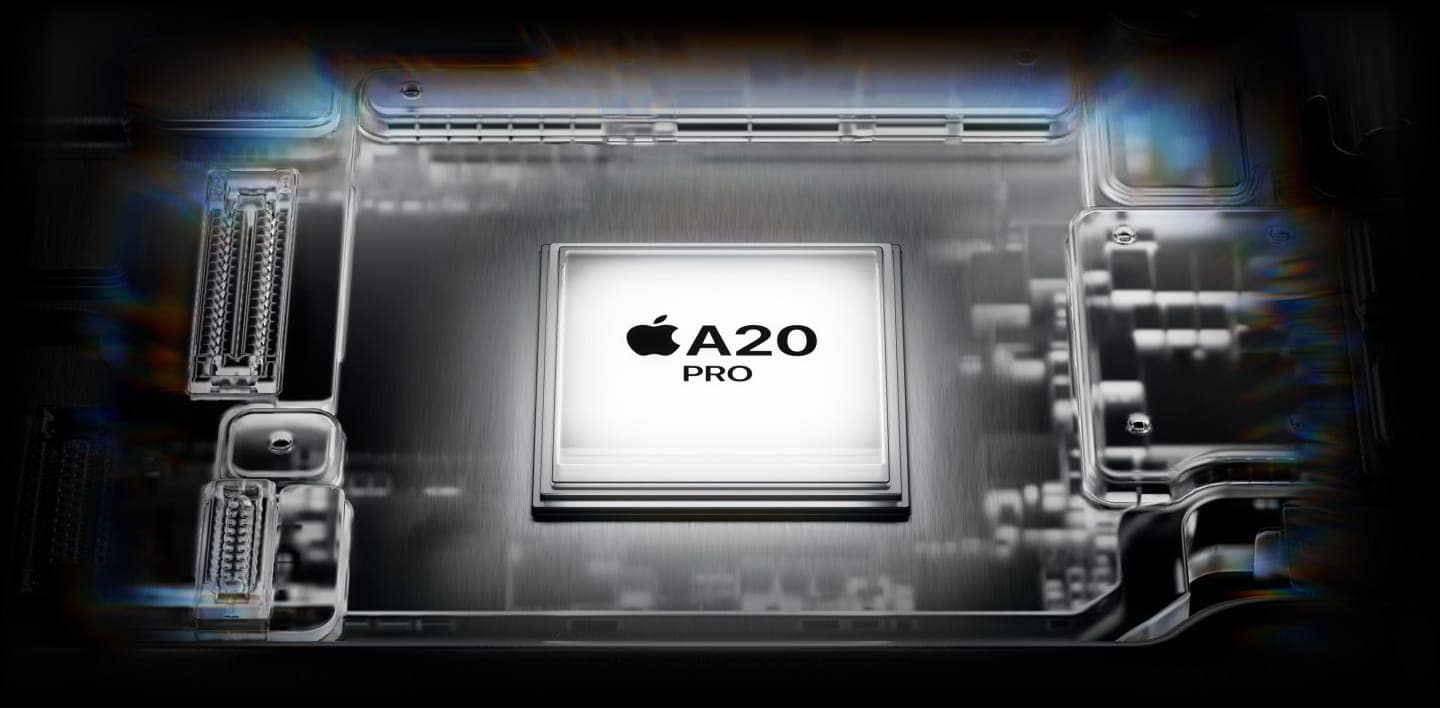
For his first keynote as Apple’s CEO, John Ternus did not start by boasting about raw clock speeds. Instead, the former hardware chief spent his debut explaining the physics of a vapor chamber made from recycled steel and nano-twin copper. That thermal redesign sits at the heart of the new A20 Pro, the first 2nm chip ever successfully scaled for a smartphone. It solves the oldest bottleneck in mobile computing: building a processor that refuses to slow down when it gets hot.
Moving the Memory Out of the Fire
Over the last three years, mobile silicon development slammed into a physical wall. Apple’s A17 through A19 chips chased efficiency tweaks on a 3nm process, but they continually hit a thermal ceiling. A processor could hit blistering speeds, but the thin chassis could not dissipate the heat fast enough. After a few minutes of heavy load, the system had to throttle down, aggressively dimming the screen and dropping frame rates to prevent the logic board from cooking itself.
The A20 Pro breaks this cycle through a structural redesign rather than just shrinking transistors. Apple’s engineers moved the memory entirely out of the system-on-chip’s thermal path. This isolated design allowed them to connect the silicon die directly to the new nano-twin copper vapor chamber.
That structural shift, paired with TSMC’s highly complex 2nm Gate-All-Around manufacturing process, yields a processor that holds its top speed. A 40 percent boost in sustained performance translates to the physical difference between a phone that is fast for a five-minute benchmark, versus a tool that can export a heavy video file for an hour without stuttering or dimming the screen. The question became what developers would do with a phone that can sprint a marathon.
What a 40 Percent Endurance Boost Buys You
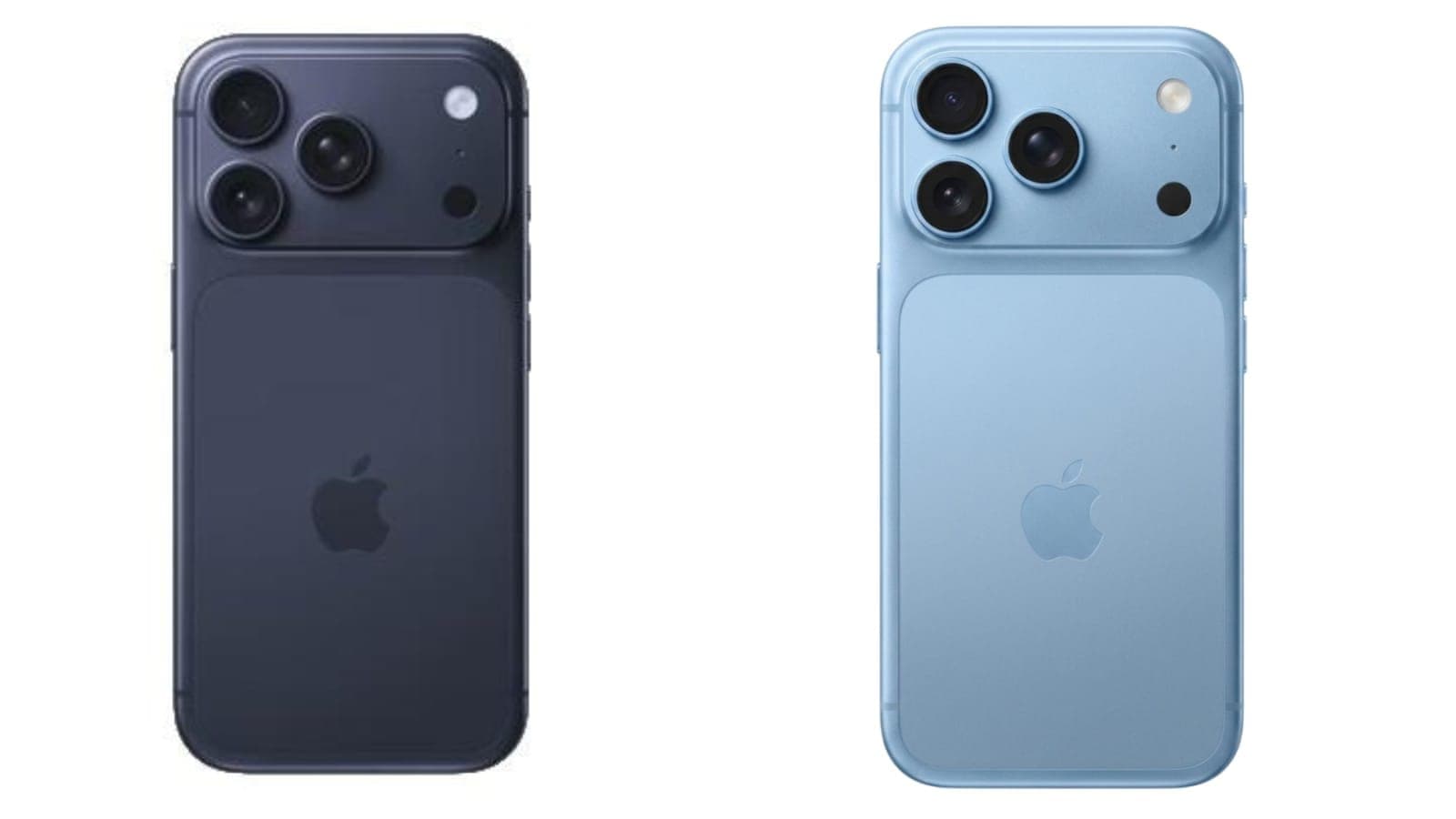
The immediate beneficiary of this sustained power is on-device artificial intelligence. Until today, running a complex large language model locally on a phone meant fighting rapid heat build-up and draining the battery in minutes. It worked for brief queries, but failed at continuous tasks.
With transistors packed closer together for higher efficiency, the 2nm process fundamentally changes that math. The A20 Pro features a dual 32-core Neural Engine that natively supports 8-bit floating-point math, allowing heavy calculations to run efficiently.
“The ultimate chip for running advanced on-device models... [shipping with] the widest memory interface we've ever shipped in an iPhone.”— Apple
For a mobile videographer shooting high-framerate ProRes video, or a developer running a local AI assistant, the phone no longer requires an external fan to finish the job. This processing endurance opens up professional workflows previously locked to desktop machines, but the A20 Pro also masks a second milestone inside its silicon architecture.
The Quiet Arrival of the C2 Modem
Tucked next to the new CPU and GPU cores is Apple’s proprietary C2 cellular modem. For over a decade, Apple relied entirely on Qualcomm to provide the cellular connectivity for its flagship devices. The A20 Pro marks the formal end of that dependency, bringing the last critical piece of smartphone silicon in-house.
Controlling the modem allows Apple to integrate cellular power management directly into the 2nm chip's logic. This tight integration ensures that pulling heavy data streams from cellular networks drains far less battery than before, leaving more power available for the CPU's heavy lifting. The challenge now shifts from the laboratory to the assembly line.
Surviving the Summer Heat
Apple’s internal benchmarks were achieved in controlled environments with an optimized chassis. The real test of the nano-twin copper chamber happens when millions of users push the iPhone 18 Pro in hot climates, under direct sunlight, or insulated by thick protective cases.
Furthermore, TSMC’s 2nm manufacturing is notoriously complex. Scaling a Gate-All-Around nanosheet process to produce tens of millions of flawless chips for a global iPhone launch will test Apple’s supply chain yields throughout the coming year.
If the manufacturing holds up, the A20 Pro resets the baseline for mobile computing. The constraint is no longer how much processing power fits in a pocket, but how software engineers will choose to use it. The smartphone is no longer just a quiet terminal waiting on a cloud server; it is the data center.
What people are saying

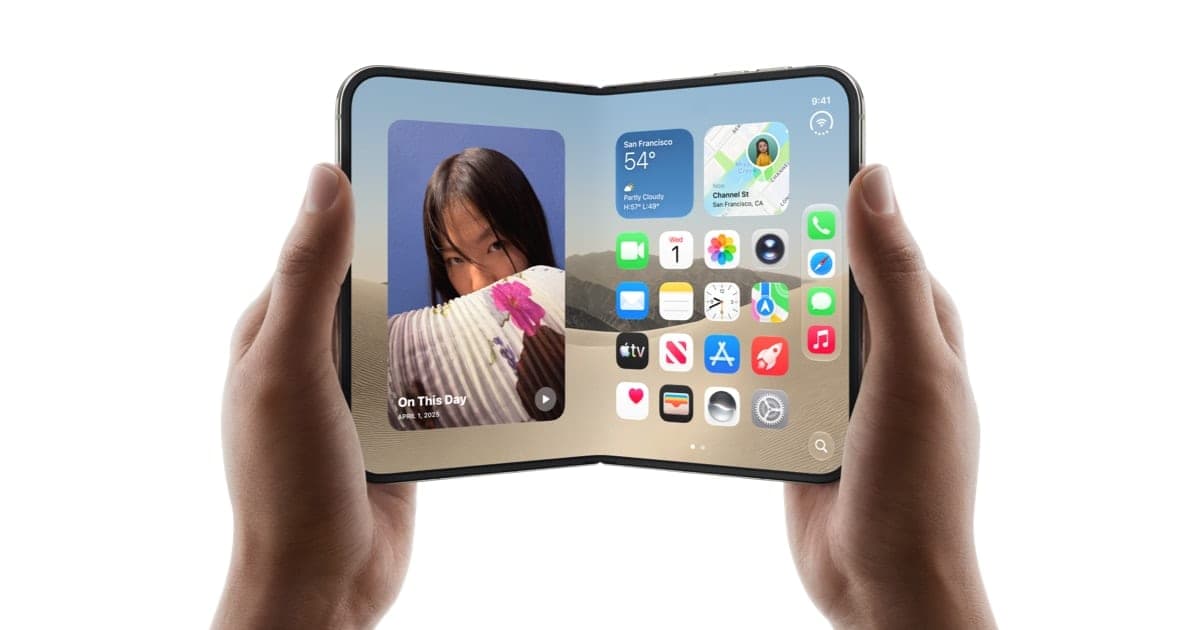
“iPhone 18 Pro, Pro Max and iPhone Duo launching tonight: where to watch live, what to expect and more Apple's big event tonight to unveil iPhone 18 Pro, Pro Max, & reportedly, its first foldable iPhone Duo. - iPhone 18 Pro/Max: A20 Pro chip (2nm), smaller Dynamic Island. Pro”

“APPLE SAYS THE IPHONE DUO IS ESIM ONLY WORLDWIDE, AND THAT ITS C2 MODEM CHIP WILL HAVE 5G MILLIMETER WAVE SUPPORT IN THE UNITED STATES - EVENT”

“Most important takeaway from the $AAPL event : The Duo matters because this is the first time since AirPods in December, 2016 that Apple announced a new product people will really want. Vision Pro missed the mark.”
Apple's 2nm Chip Defeats Throttling
The Brief
Stay curious
AI and technology: what changes and why it matters.
Your daily selection, in English or Spanish.
Free forever. Unsubscribe anytime.
More stories




Conversation
Start the conversation