
 The Specialty News
Apple's New CEO Pushes for an Agent Siri as R&D Jumps 32%
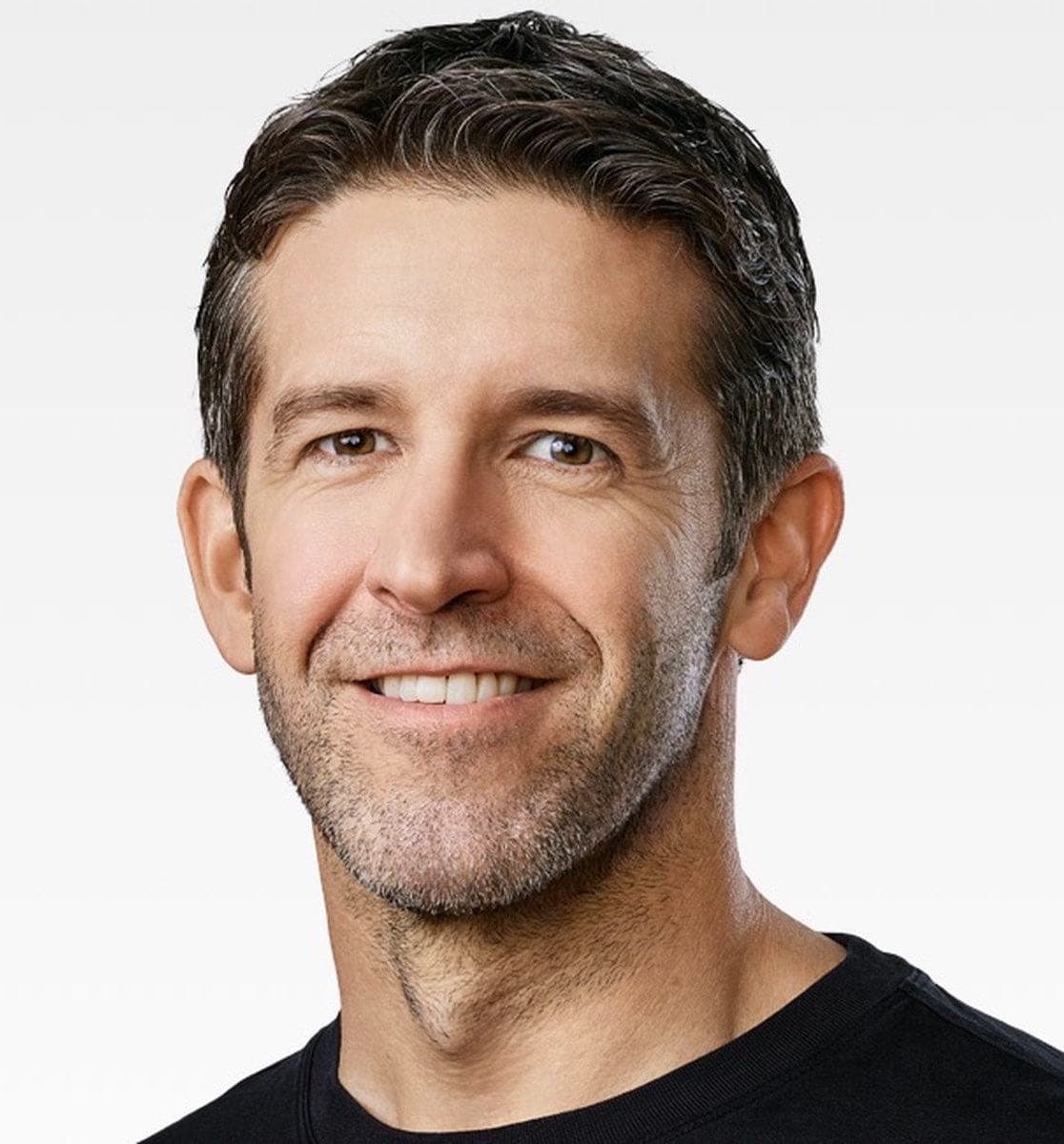
John Ternus told Craig Federighi to move “beyond merely making necessary improvements to Siri,” Bloomberg reports, and a Siri that pursues goals on its own could arrive as early as next year.
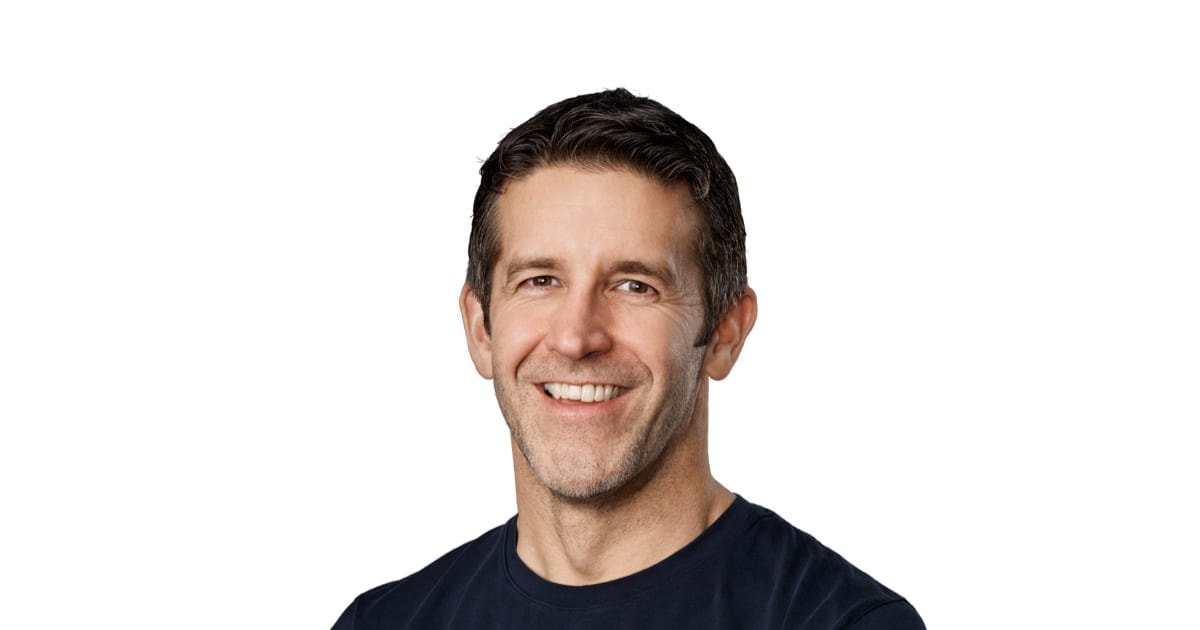
Sometime in the past few weeks, Apple's new chief executive sat down with his software chief behind closed doors and asked him to go faster. According to Bloomberg's Mark Gurman, John Ternus pressed Craig Federighi to “accelerate” Apple's software road map and “move quickly beyond merely making necessary improvements to Siri.” The prize is a Siri that takes a goal and keeps working on it, on the phone people already carry. Apple has not commented on the report.
Two Months In, a CEO Asks for Speed
Ternus took over from Tim Cook on September 1, after years running Apple's hardware engineering. Two weeks later, Apple shipped Siri AI, a rebuilt assistant that draws on personal context across messages, emails and photos, understands what is on screen and holds a real conversation. It launched in beta in English and added French, Japanese, Korean, Portuguese and Spanish on October 26.
By Gurman's account, Ternus wants the next leap sooner. The newsletter describes a CEO frustrated with Apple's cautious pace on AI as rivals ship assistants that work on their own, and a software chief who has been more skeptical, raising concerns about privacy and security.
That caution has earned some credit. Federighi's organization is the one that finally delivered the revamped Siri after years of delays. The question Ternus is putting on the table is what comes after a Siri that answers well.
From Answering Questions to Finishing Jobs
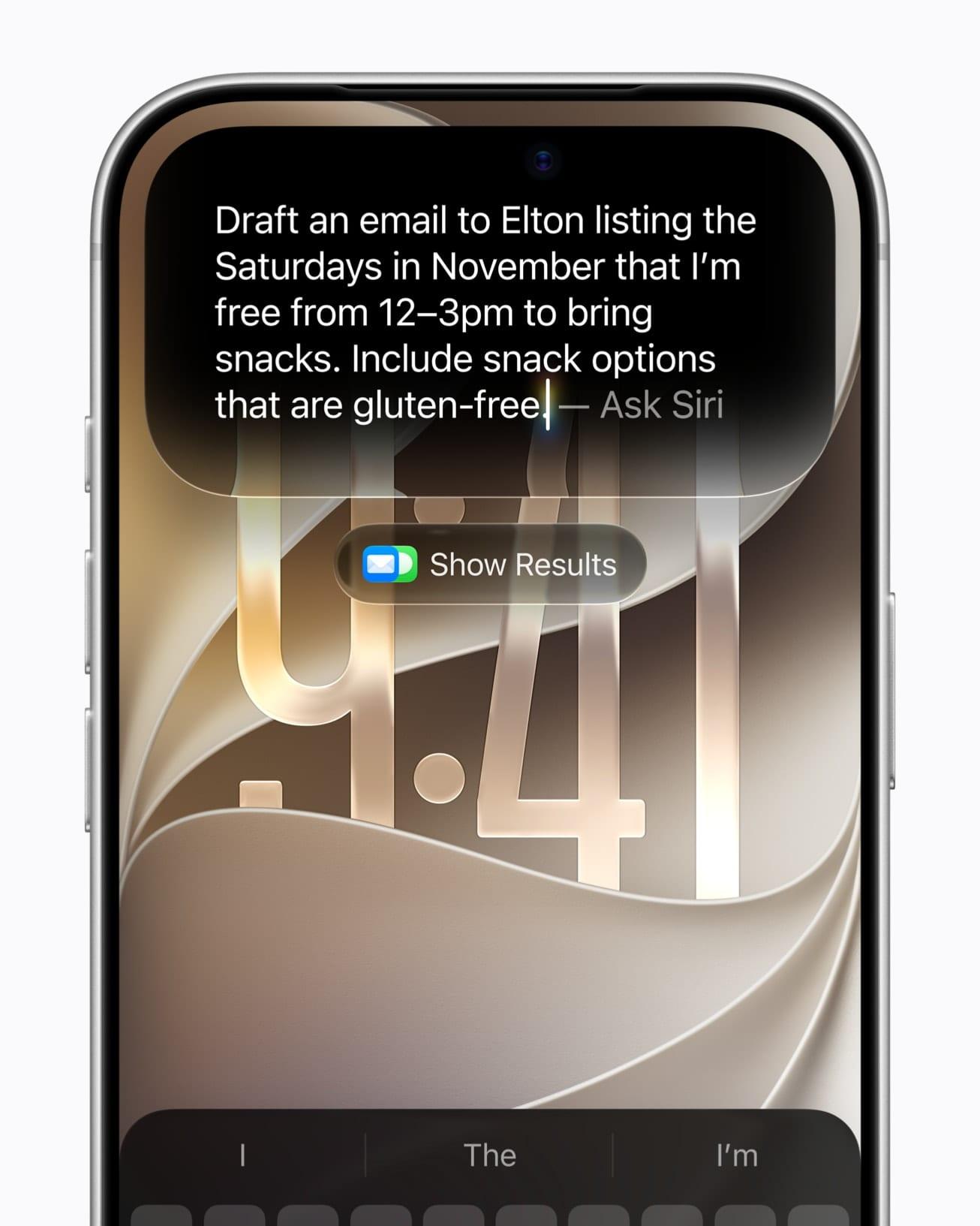
Siri AI still waits to be asked. Ternus described it as primarily request-based on his first earnings call, on November 2. The next steps are already lined up: with iOS 27.3, Siri should be able to organize Safari tabs, edit messages and chain several actions in Photos, with support in Apple's own apps as early as December and deeper third-party integration next spring, according to Gurman.
An agent works differently. Gurman points to OpenAI's Dots, Meta's Muse and xAI's Grok, which can keep track of goals, work out what needs to happen next and keep pursuing an objective without the user starting every step. For Siri, that could mean following an ongoing project, watching the information you care about and bringing you the update before you think to ask.
Apple has not set a date. Gurman's own read is that the company “could make Siri more like an agent as early as next year.” Ternus, asked by analysts about agents, chose his words carefully:
“We think these are promising tools for users. We just want to make sure that users are aware of what they're giving access to.”— John Ternus
His case is that the iPhone already holds contacts, messages, health and financial data, and that Siri can use it in a way “nobody else has access to. Even Apple doesn't have access to it.” What makes Apple think it can now move faster? Three numbers from the past week.
Six Weeks to Explore, and the Budget to Match
The first number is money. Apple spent $11.73 billion on research and development in its September quarter, up from $8.87 billion a year earlier, according to its financial statements. Over the whole fiscal year, the total looks like this:
Apple does not say how much of that goes to AI, but this was the year it built and shipped Siri AI, and it already shows in the numbers: the company guided December-quarter gross margin to 45 to 46 percent, citing higher memory costs and the cost of ramping up Siri AI.
The second number is time. Apple builds each year's software in three stages, normally four weeks of coding followed by four weeks of “convergence,” when features are stitched together. For the first stage of iOS 28 and macOS 28, Gurman reports, engineers got six weeks of “coding, exploration and feature development” and only two of convergence. “Employees say they like the change,” he wrote, because it leaves more room to chase ideas before locking them in.
The third is reach. Apple counts more than 2.5 billion active devices, nearly one for every three people on Earth. Even if only a slice of that base gets a Siri that carries a goal from start to finish, an agent lands in the pockets of people who will never install one: the parent juggling three calendars, the shop owner chasing invoices across Mail and Messages. Apple spent this year teaching Siri to understand. Its new CEO wants the next one spent teaching it to finish the job.
What people are saying

“NEW in Power On: Apple CEO John Ternus held a closed-door meeting with Craig Federighi in the last few weeks, pushing his software chief to accelerate Apple’s AI road map and move beyond Siri improvements amid concerns about falling behind rivals.”
Siri's Fast Track to Agents
The Brief
Stay curious
AI and technology: what changes and why it matters.
Your daily selection, in English or Spanish.
Free forever. Unsubscribe anytime.
More stories



Conversation
Start the conversation