
 The Specialty News
OpenAI Splits Its Voice From Its Brain, and 23,000 Lines of Code Disappear
The 1.4-point swing that put GPT-Live-1 atop the Artificial Analysis index proves that delegating logic to a backend model is the key to natural conversation.

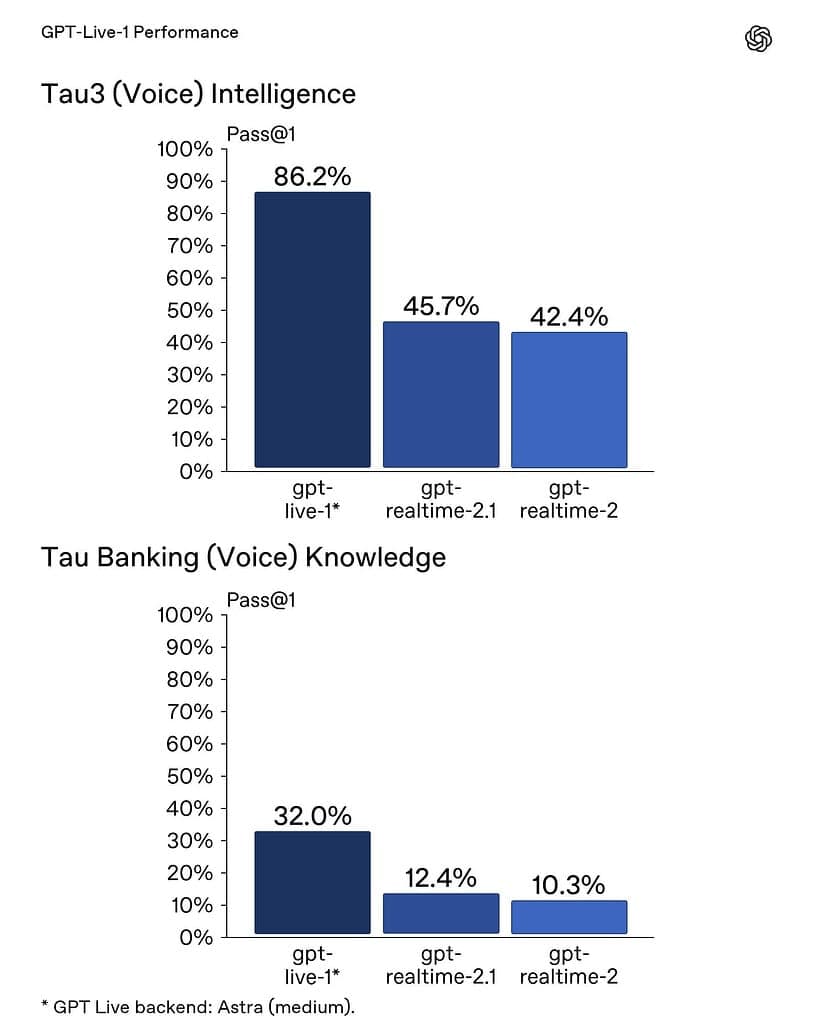
The top-ranked AI voice in the world right now is fundamentally just a mouth and a pair of ears. On the September 2026 Artificial Analysis Speech to Speech Index, OpenAI’s new GPT-Live-1 model took the number one spot not by getting smarter, but by separating its voice from its brain. It handles the messy human rhythm of conversation—the interruptions, the pauses, the backchannels—while quietly routing the actual logic to entirely separate text models in the background. For developers and users, it finally makes talking to a machine feel like talking to a person.
The 1.4-Point Routing Swing
The leaderboard is no longer measuring just voice models; it is measuring routing configurations. The difference between first place and third place on the new Artificial Analysis index is exactly 1.4 points. Both scores belong to the exact same OpenAI voice model, GPT-Live-1. That 1.4-point swing happened simply by swapping the backend "brain" powering the conversation from the lightweight Sol model to the heavy-duty GPT-6 Astra model.
By decoupling the voice layer from the reasoning layer, developers can now dial the intelligence up or down without changing the voice the customer hears. At $5.83 per hour of input audio with Astra, it scores an 81.5. At $4.47 an hour with Sol, it scores an 80.1. Sitting right between them at 81.3 is the competing paradigm from SpaceXAI. The success of the split architecture answers a question developers have been wrestling with since voice AI first hit the market.
The Speed Dilemma
Until recently, conversational AI forced builders into a rigid compromise. You could use a chained pipeline—transcribing speech to text, generating a text response, and synthesizing it back to audio—which caused heavy delays and lost all context if the user interrupted. Or you could use a single omni-model that handled everything but had to awkwardly pause the conversation whenever it needed to run a database query.
Elon Musk’s SpaceXAI took the omni-model approach to its absolute limit in July with Grok Voice Think Fast 2.0. By unifying the voice and the brain, Grok prioritizes raw speed, achieving a blistering 0.70-second latency. The company successfully deployed it on Starlink customer support lines to increase sales conversions, proving that a single, fast model works remarkably well for immediate, contained tasks. But OpenAI bet that as tasks get more complex, the AI needs to be able to talk and think at different speeds. The delegation architecture makes that possible, and the practical benefits for software teams are immediate.
What people are saying

“Get more out of GPT-6 Astra by revisiting your skills, AGENTS.md, and task prompts. Make skill triggers specific, load guidance when it's relevant, and define what done looks like.”

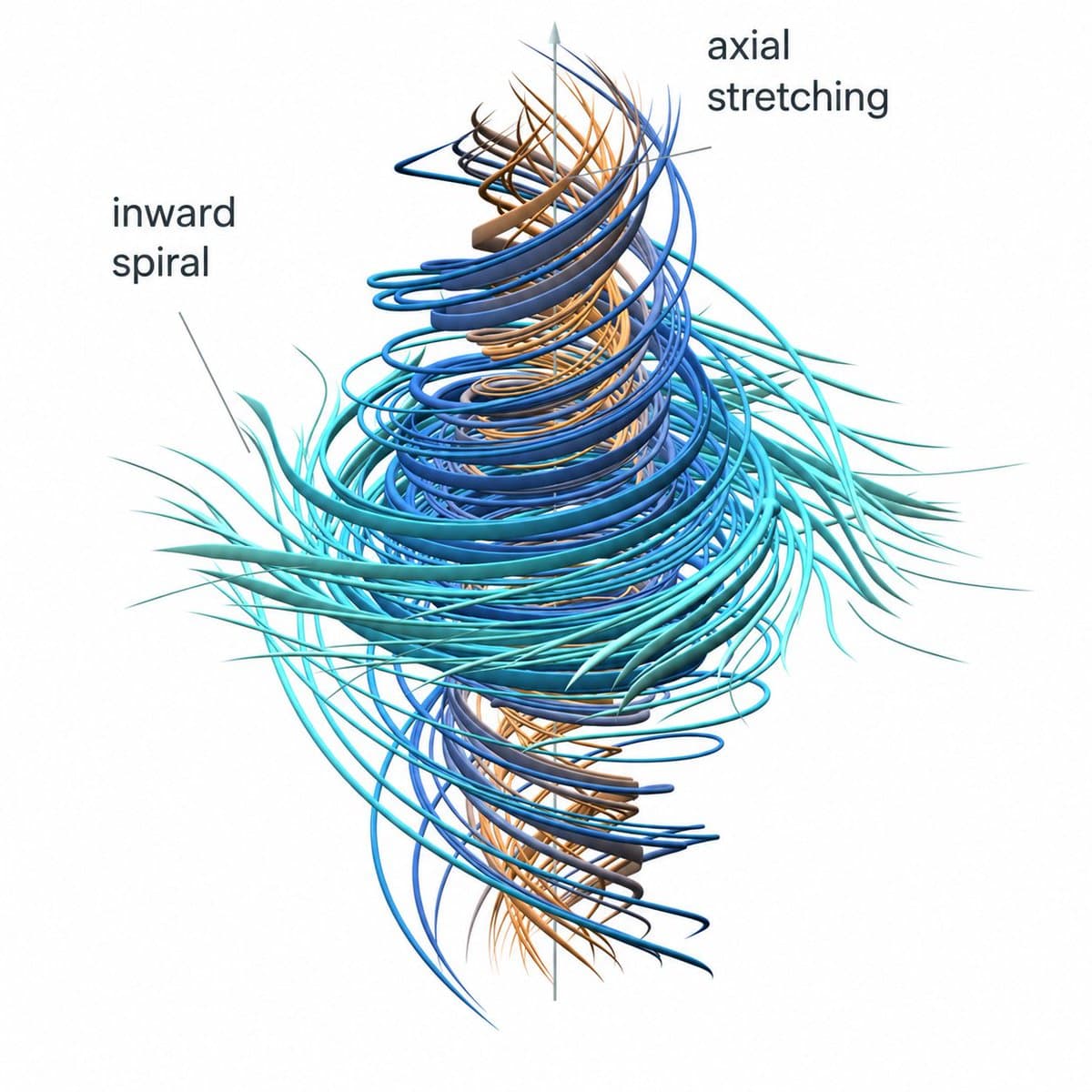
“We’re sharing a solution to the Navier-Stokes Millennium Prize Problem, one of the deepest problems at the frontier of mathematics. The proof was produced by a group of agents, using an OpenAI next-generation model significantly more capable than GPT-6 Astra. The problem”

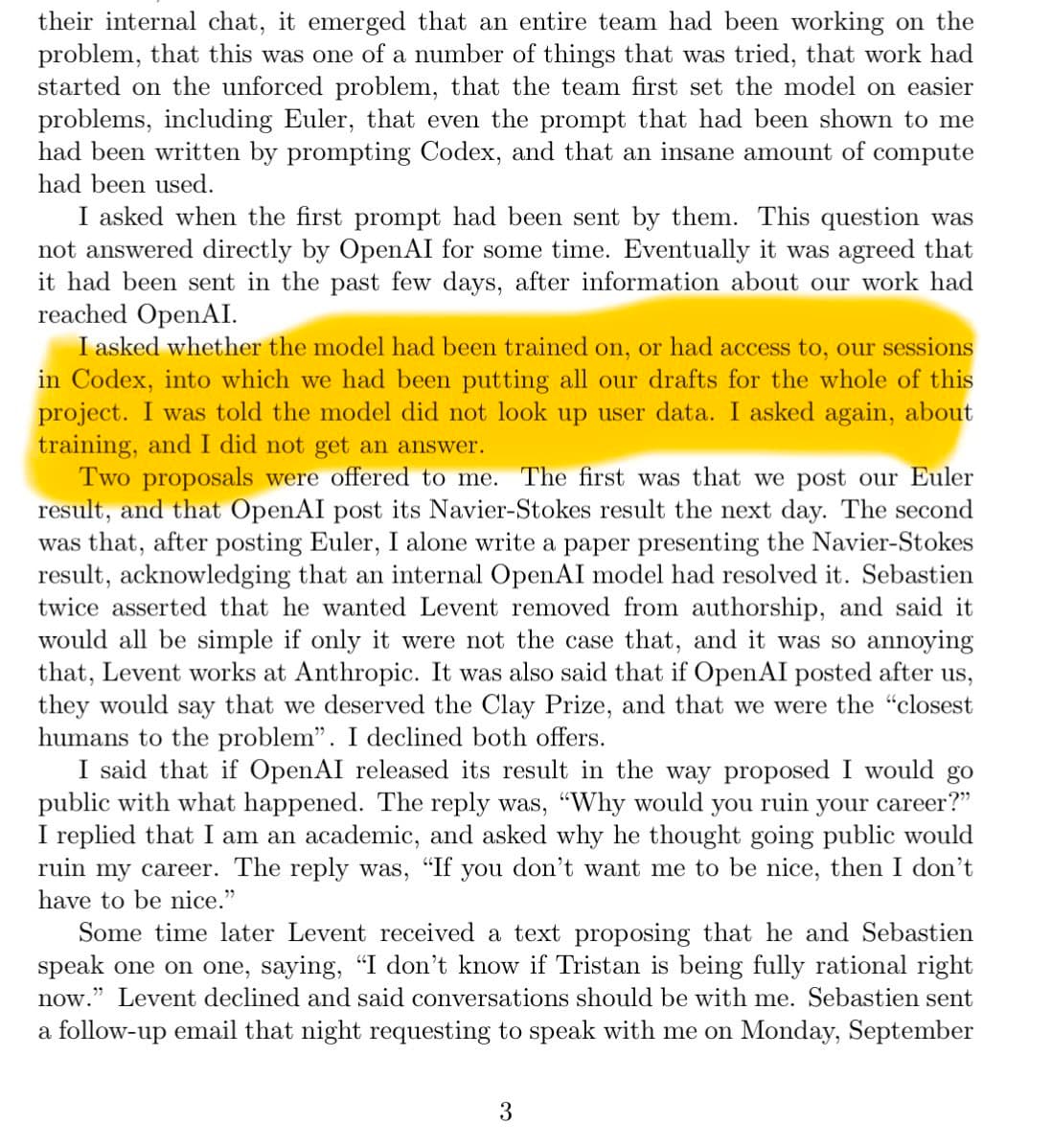
“>math professor spends a year on one of the hardest unsolved problems in math >"Navier-Stokes" >his drafts for the whole project went through codex sessions >openai had his logs in codex >suddenly rumor leaks AI solved it >he emails openai to ask what's going on >openai calls”
OpenAI's Split AI Beats Omni
The Brief
Stay curious
AI and technology: what changes and why it matters.
Your daily selection, in English or Spanish.
Free forever. Unsubscribe anytime.
More stories





Conversation
Start the conversation