
 The Specialty News
India Clocks 7.8% Growth — Defying Middle East Oil Shocks to Rewrite the Global Playbook
A staggering 12.1% surge in white-collar services dragged the national average upward, forcing global banks to tear up their forecasts.

When geopolitical tensions escalate in the Middle East, heavily oil-dependent emerging markets reliably stall under the weight of imported inflation. India just broke the pattern. As US-Iran friction sent localized shocks through global energy supply chains, the Indian economy expanded by 7.8% in the April-June quarter. The print easily cleared the Reserve Bank of India’s 7.0% estimate, proving that a surging domestic capital cycle has insulated the country from external fires.
The 12.1% White-Collar Lifeline
The traditional bedrock of the Indian economy showed visible cracks this quarter. The primary sector sputtered at an anemic 2.9% growth, with agriculture dragging and mining actively contracting by 2.4%. Yet the national average surged upward, pulled entirely by the urban service sectors. Financial, real estate, IT, and professional services exploded, logging a staggering 12.1% year-over-year expansion.
To grasp the scale of that expansion, growing a service sector of this size by 12.1% means one in every eight rupees generated by white-collar work simply did not exist a year ago. This structural shift allowed domestic mobility and freight to absorb the blow of rising global energy costs. Chief Economic Adviser V. Anantha Nageswaran credited this domestic resilience for keeping the economic engine running while external markets panicked.
The political victory lap was immediate, with Prime Minister Narendra Modi declaring that the nation delivered a herculean feat despite global uncertainty. But institutional observers looking past the rhetoric saw a more permanent shift in how capital flows into the country.
Tearing Up the Emerging Market Playbook
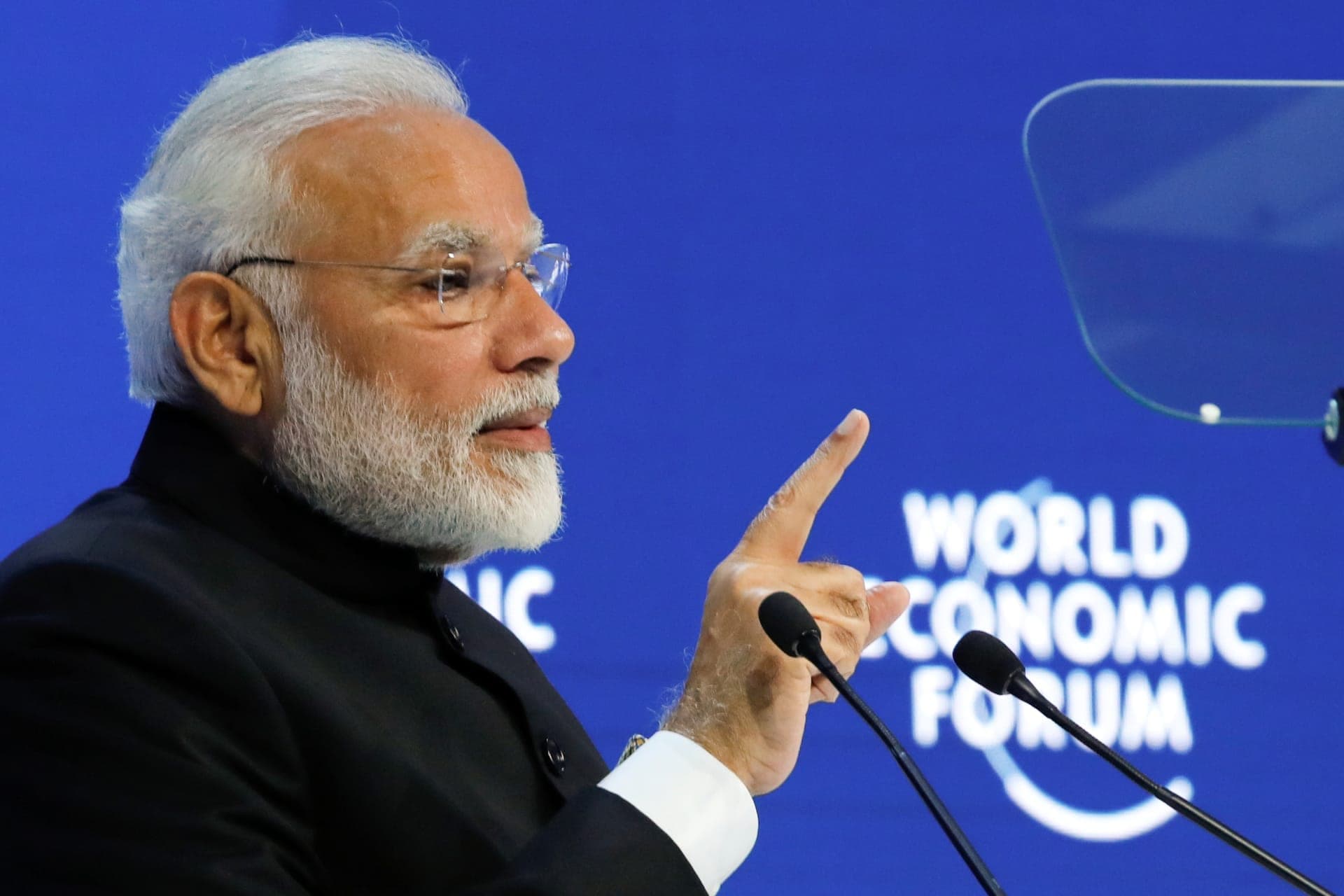
For decades, global banks treated India as a high-beta play on global growth—vulnerable to the slightest tremor in Western demand or Middle Eastern crude oil. This quarter's Gross Fixed Capital Formation, a proxy for long-term investments like infrastructure and corporate spending, surged 11.9%. That specific figure proves the growth is grounded in hard, domestic capital rather than fleeting global tailwinds.
“India's strong growth surprised on the upside for the 12th straight quarter.”— Dhiraj Nim
Nim, an economist at ANZ Research, notes that this ongoing streak of upside surprises forces a fundamental rewrite of annual forecasts. Global investors are hunting desperately for large-cap economies offering growth that operates independently of Western and Middle Eastern geopolitical friction. By demonstrating it can decouple its momentum from global oil shocks, India is opening the door for massive foreign portfolio inflows into its equity markets.
The optical momentum looks unstoppable to traders in Mumbai and foreign institutional investors in New York. Yet the very same data sheet that proves India's urban invincibility contains a warning about its most vulnerable citizens.
A Two-Speed Economy on a Collision Course
The optimistic case relies heavily on a favorable base effect from the previous year that will soon evaporate. Moving forward into the second quarter, the economy must pedal significantly harder to maintain these headline numbers. The glaring reality is a two-speed economy where urban wealth is compounding while rural incomes face an immediate, physical threat.
A deficient south-west monsoon driven by El Niño conditions has left reservoir storage hovering near a ten-year low. Vikram Chhabra, a senior economist at 360 ONE, warns that late onset and erratic rainfall will likely depress agricultural yields. If rural consumption tanks as a result, it will drag down the entire national demand curve.
The skyscrapers of Mumbai and Bengaluru have proven they can withstand geopolitical shocks. To keep the $3.5 trillion engine running, India must now prove it can outrun the weather.
What people are saying


“Goldman Sachs says European gas prices may need to rise above €100/MWh by December if Middle East exports recover only gradually. EU storage is just 62% full, leaving Europe competing with Asia for scarce LNG. #NaturalGas #LNG #Europe”

“BREAKING: Donald Trump's war on Iran has forced the U.S. Navy to take money from its own sailors' paychecks to keep the conflict going — a financial meltdown that has left the military scrambling, per The Guardian. A Pentagon memo warns of "shortfalls in payroll" accounts after”
Urban Boom Masks Rural Drag
The Brief
Stay curious
AI and technology: what changes and why it matters.
Your daily selection, in English or Spanish.
Free forever. Unsubscribe anytime.
More stories





Conversation
Start the conversation