
 The Specialty News
Shein Surrenders to Beijing for a $26.5B IPO — and Its CEO Loses $15 Billion
Four years of trying to obscure the fast-fashion giant's roots cost Sky Xu 70% of his company’s peak value, proving the era of borderless e-commerce is dead.
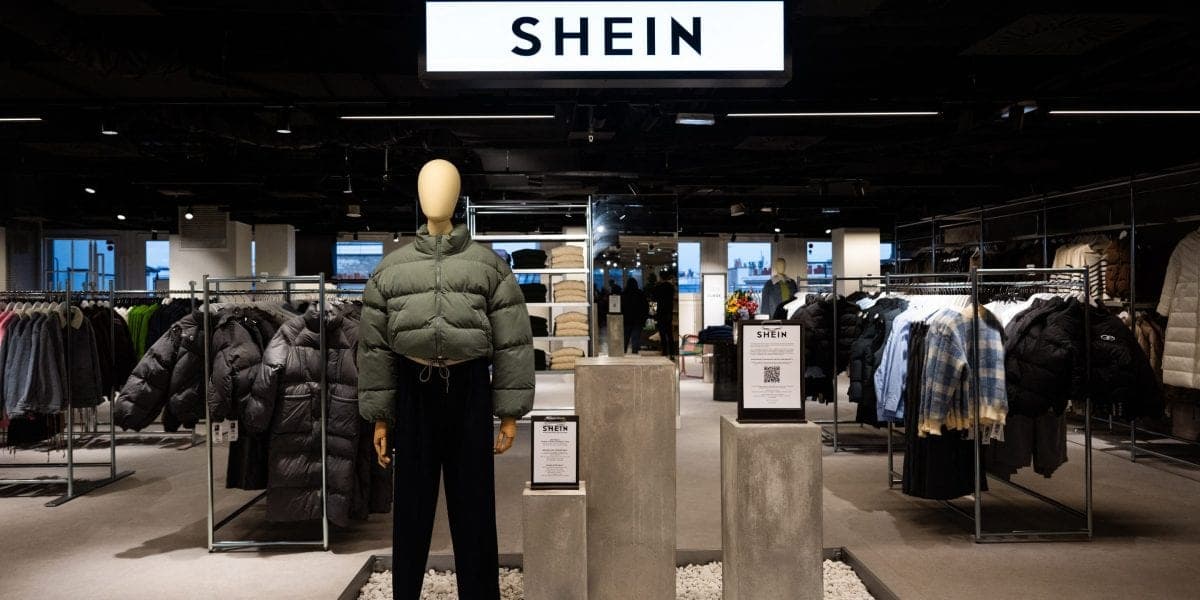
For eight years, Sky Xu flew so far under the radar that his own employees joked they wouldn’t recognize him in an elevator. But in February, the famously reclusive founder of Shein had to step up to a microphone in Guangdong and publicly pledge $1.5 billion to Beijing. It was the price of admission for a bitter defeat: abandoning a Western stock listing to debut in Hong Kong, a multi-year delay that vaporized $15 billion of his personal fortune. The era of the borderless tech platform is over, and Shein is paying the geopolitical tab.
The $73 Billion Cost of "Singapore-Washing"
At its height in 2022, Shein was valued at nearly $100 billion—worth more than the parent companies of H&M and Zara combined. Driven by pandemic-fueled consumption and an algorithmic supply chain, the company seemed untouchable. Xu held a 30% stake worth over $23 billion and began an aggressive campaign to "Singapore-wash" his empire. He moved Shein's headquarters out of China, aiming for a massive initial public offering in New York or London that would cement its status as a global tech titan rather than a Chinese manufacturer.
The strategy backfired entirely. Western lawmakers weaponized the IPO filings to scrutinize Shein's supply chain over forced labor concerns in Xinjiang. Simultaneously, the China Securities Regulatory Commission bristled at Xu's attempts to bypass Beijing, citing data security laws to stall the process. Trapped between two superpowers, Xu spent two years locked in a regulatory purgatory that drained his company's momentum.
To finally secure approval from Chinese regulators this July, Xu had to abandon his Western ambitions and formally "make peace" with the state. His rare public appearance in Guangdong to invest in local supply chains signaled a total capitulation. But while Xu was busy appeasing politicians, the economic engine that built his fortune was quietly breaking down.
The Geopolitical Trap Closes
Shein's explosive growth relied heavily on hacking the international trade system. The company weaponized the U.S. de minimis loophole—shipping ultra-cheap, tax-free individual parcels directly from Chinese factory floors to American teenagers. It bypassed standard import tariffs, warehouse costs, and traditional retail overhead.
Today, those loopholes are shutting tightly. The Trump administration removed the key U.S. tariff exemption, and the European Union recently slapped a flat €3 customs charge on small parcels. Forced to pass these sudden costs onto consumers, Shein's revenue growth collapsed from 20.7% in 2024 to a sluggish 8% in 2025. By the first quarter of 2026, the company swung to a severe $99 million net loss, completely erasing the $395 million profit it posted during the same period a year prior.
“The drop in Shein's valuation is not an isolated event... it's the market repricing Shein from a hyper-growth tech platform to a lower-margin global retailer.”— Mavis Hui Ming-wai
Adding to the pressure, rival PDD Holdings launched Temu, igniting a vicious price war that forced Shein to burn through cash to upgrade its AI-driven logistics network. The financial deterioration left early investors trapped, holding shares in a company that no longer looked like an invincible tech platform. That grim reality set the stage for a deeply humbled public debut.
What people are saying


““How Shein came crashing down—The Chinese e-retailer is listing for a quarter of the $100 bn at which it was once valued…The collapse in the company’s valuation…has forced it to pay settlements to investors who have experienced precipitous losses.””
Shein's $73B Valuation Collapse
The Brief
Stay curious
AI and technology: what changes and why it matters.
Your daily selection, in English or Spanish.
Free forever. Unsubscribe anytime.
More stories






Conversation
Start the conversation