
 The Specialty News
Sports Owners Shrink Stadiums to Squeeze Fans — After Taking $33 Billion in Taxpayer Cash
The modern sports playbook is simple: force cities to pay for smaller arenas, rip out the cheap seats, and charge a premium for the scarcity.
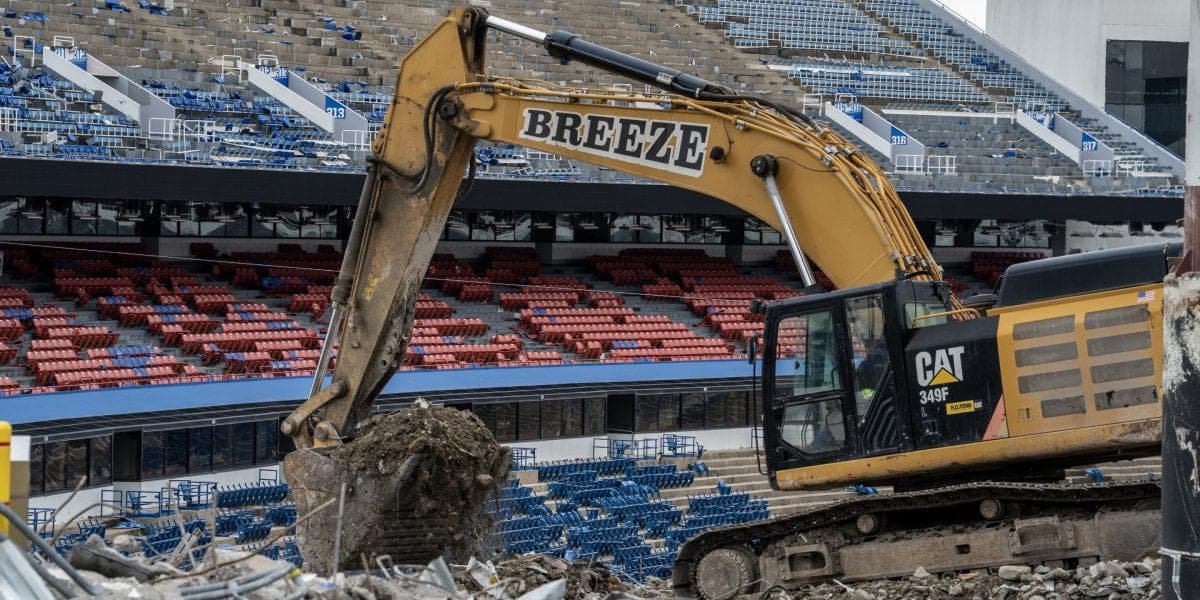
When Oklahoma City voters approved a $900 million arena for the Thunder last December, they bought into a distinctly American illusion: that public money builds grand public squares. The reality is exactly the opposite. The modern sports business playbook actively reduces seating capacity, rips out the cheap seats, and replaces them with ultra-lucrative luxury suites. Taxpayers are being forced to subsidize their own exclusion.
The Engineered Scarcity
Between 1970 and 2020, American taxpayers spent $33 billion to build major-league sports arenas, covering a staggering median of 73% of total construction costs. For decades, the civic deal was implicit. You pay the tax, and you get a massive concrete coliseum with a sprawling upper deck where anyone in town could afford to watch their team on a Tuesday night.
But the math of professional sports has ruthlessly evolved. A team can extract exponentially more revenue from corporate catering and luxury boxes than from a thousand regular fans buying hot dogs.
To maximize that corporate revenue, owners need to create scarcity. They are demanding brand-new, taxpayer-funded buildings designed to hold fewer people. The total footprint remains massive, but the seats are stripped out to make room for VIP clubs and premium lounges. The doors are opening wider for executives, but slamming shut on the working-class families whose taxes literally poured the concrete.
Yet despite the aggressive corporate restructuring of these public-private partnerships, civic leaders keep willingly writing the checks.
The Civic Ransom Note
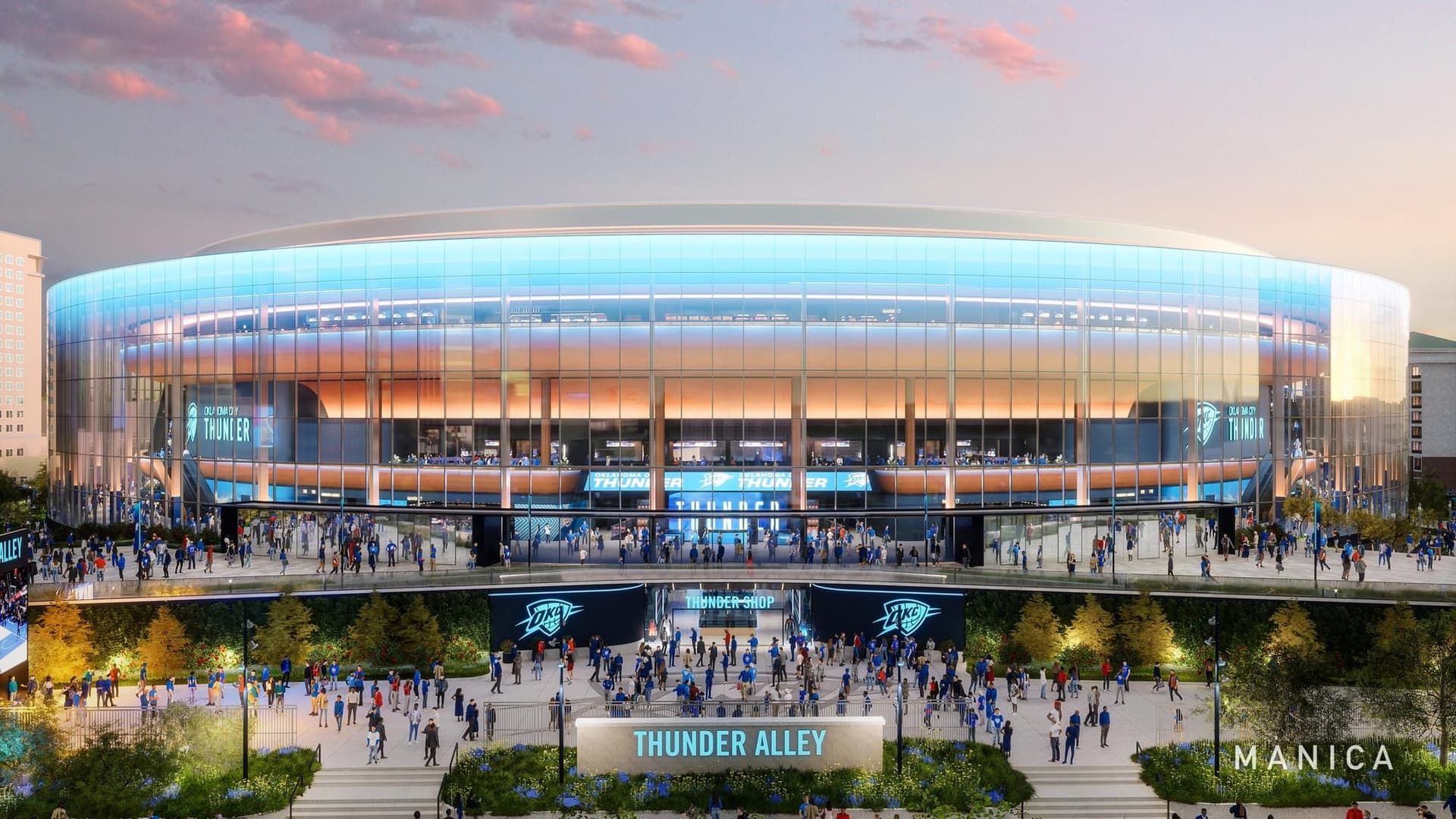
Oklahoma City's recent deal reveals exactly how this extortion works in practice. To build the team's new arena, taxpayers are covering $850 million of the cost. The billionaire ownership group is chipping in just $50 million.
J.C. Bradbury, an economist at Kennesaw State University who tracks stadium financing, did not mince words about the arrangement. He publicly called the owners' contribution laughable and embarrassing, noting the sheer incompetence required to agree to such terms.
Mayors agree to these terms because mid-market cities are negotiating with a gun to their heads. Republican Mayor David Holt championed the wildly lopsided payout to keep the Thunder from leaving, openly admitting that cities like his have zero bargaining power. They remember the team abandoning Seattle in 2008, and the terror of losing their only major-league identity overrides basic financial sense.
This fear is actively pitched as an economic investment by stadium boosters who promise massive local wealth creation. Economists universally agree the actual impact is functionally zero. When a billion-dollar stadium opens, its actual economic boost to the surrounding city roughly equals that of a single mid-size T.J. Maxx. It doesn't create new money; it just reorganizes where locals spend their weekend entertainment budget. But the era of blind civic compliance might finally be cracking.
What people are saying


Taxpayers Pay $850M for Less Access
The Brief
Stay curious
AI and technology: what changes and why it matters.
Your daily selection, in English or Spanish.
Free forever. Unsubscribe anytime.
More stories


Conversation
Start the conversation