
 The Specialty News
ChatGPT Wallet Lets OpenAI's Agents Pay Without Ever Seeing Your Card
Built with American Express, Mastercard and Visa, it swaps your card for a one-time token and asks for Face ID on every purchase.
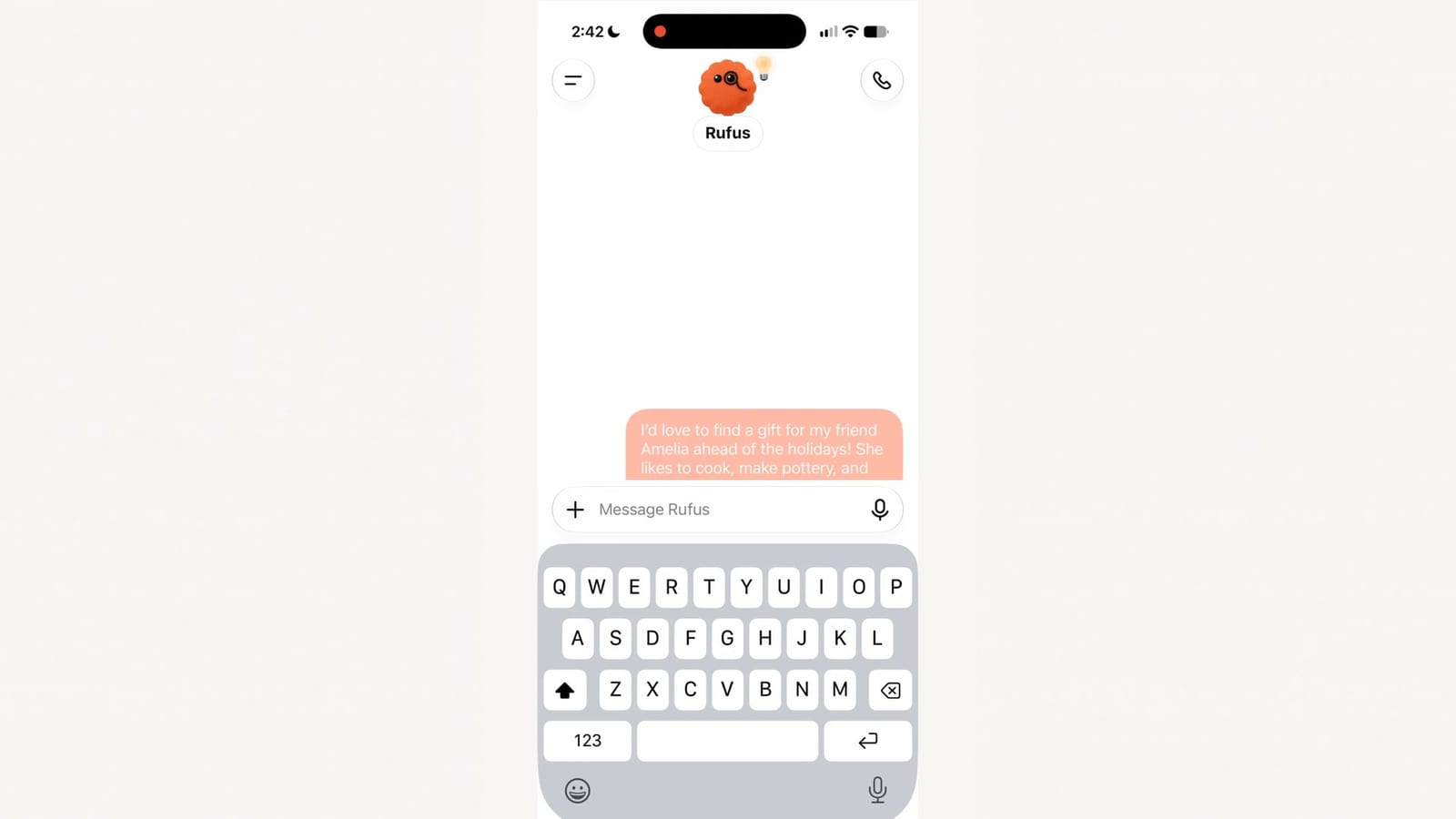
In OpenAI's demo, a user asks an agent named Rufus to find a holiday gift for a friend who likes to cook and make pottery. Now the agent can pay for it too. ChatGPT Wallet, announced on November 13, lets OpenAI's dots agents complete purchases without ever touching the buyer's real card number, and it starts rolling out with ChatGPT Pro subscribers in the US. For the 1.2 billion people who use ChatGPT each week, it is a first look at shopping that ends with a fingerprint instead of a checkout form.
One Card, One Fingerprint, No Card Number Shared
The flow is short. A user adds a card once. When the dot has found what they want, ChatGPT shows the items, the total and the card it will charge, and the user approves with a security check such as Face ID or a fingerprint scan. Each approval leaves a record of exactly what the agent was allowed to buy.
Then the card networks step in. American Express, Mastercard and Visa, which built the wallet with OpenAI, issue a payment token: a stand-in card number, security code and expiration date. The store is paid through its normal checkout, and neither the store nor the agent sees the real card. It is the same idea that lets a phone pay at a shop terminal, moved to a buyer that happens to be software.
Buyers keep their card rewards and the dispute protections they already have, for example when an item arrives broken. OpenAI says it is the first wallet that lets agents pay without access to card details while requiring a security check for every purchase.
Paying is the easier half of the problem. The harder half is getting stores to open the door.
A Playbook for Letting Agents Into the Store
Plenty of websites treat any automated visitor as a bot to block, and some do it on purpose. United Airlines said this week it would stop agents from booking tickets through its systems, and Amazon prevents agents from buying on its platform, CNBC reported.
OpenAI's answer is a Commerce Partner Playbook for merchants, published alongside the wallet. It explains how to upload a product feed with current prices, how to set up a CDN or firewall to recognize ChatGPT agents through signed requests using Web Bot Auth, and how to add WebMCP tools or a plugin so agents can check stock or manage a cart directly.
The payments industry is part of the work. OpenAI says it is working with fraud specialists Forter, Riskified, Sardine and Signifyd, and with payment processors Adyen, Checkout.com and Stripe, so their systems recognize a legitimate purchase made by an agent instead of declining it. Shops keep the customer relationship, the pricing, the shipping and the returns.
Chaya Nayak, who leads product for monetization and payments at OpenAI, told CNBC that the goal is "to really focus on merchants and our network partners." That focus explains the slow start, and it points to where the wallet goes next.
From Approving Every Purchase to Setting a Budget
The dots arrived at OpenAI's developer conference in late September as personal agents that work on a user's behalf. The wallet hands them the one capability they were missing: finishing the job.
Today every purchase needs a human check. OpenAI has already said where it wants to take that.
“Over time, we expect users to be able to delegate purchases entirely to their agent”— OpenAI
In practice, that means rules a user writes once: a spending limit, a set of categories, a time window, with biometric checks and records of authorization as the safeguards. A household could let a dot reorder groceries within a weekly budget, or rebook a cancelled flight under a fixed price, without stopping to approve each step.
The rollout starts small on purpose, with Pro subscribers aged 18 and over and eligible US-issued cards, so OpenAI, banks and stores can learn from real purchases before opening it wider. The agent that finds the perfect gift can now pay for it, and the card number never leaves the wallet.
How a Dot Pays Without Your Card
The Brief
Stay curious
AI and technology: what changes and why it matters.
Your daily selection, in English or Spanish.
Free forever. Unsubscribe anytime.
More stories





Conversation
Start the conversation