
 The Specialty News
SpaceX Plans a $50 Billion, 6-Gigawatt AI Campus in the Arizona Desert
Nine buildings, a 24 GWh battery and dry cooling that uses about as much water a year as 20 to 30 homes, with local power bills projected to fall.
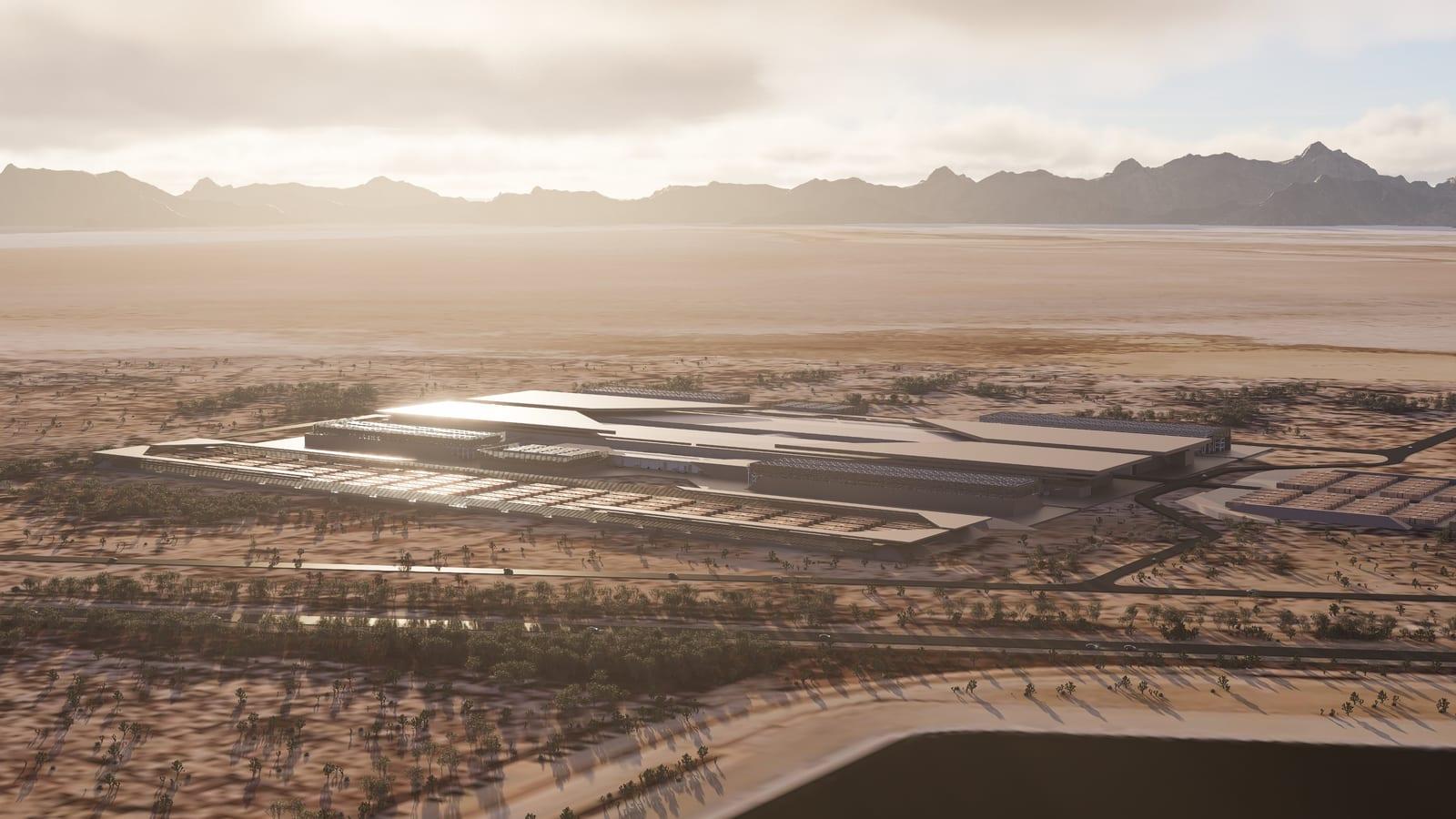
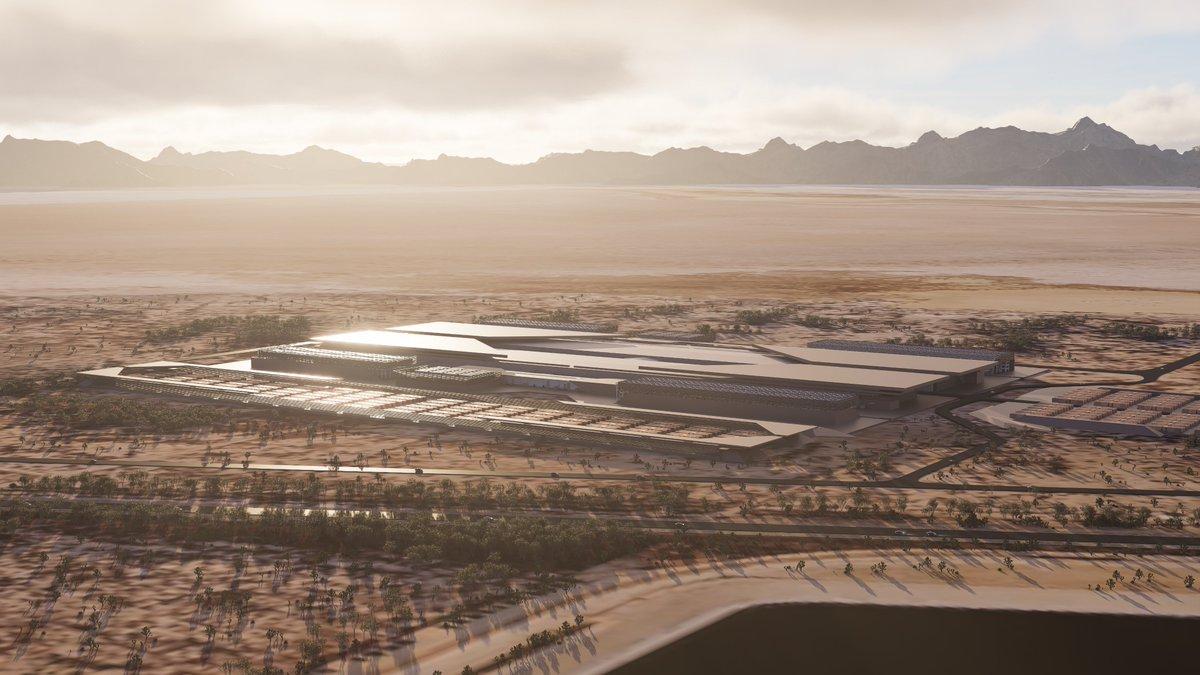
SpaceX plans to spend $50 billion on nine single-story buildings near Willcox Playa in Cochise County, Arizona, drawing up to 6 gigawatts to train what the company calls its super intelligence models. The figure, published on 12 November with a project page for local residents, had not been disclosed before. Combined with up to $24 billion at Starbase in Texas, SpaceX is now committing more than $74 billion to supercomputing campuses in the two states.
Nine Buildings and the Largest Battery in the US
Each of the nine compute buildings would cover about 493,000 square feet, according to SpaceX's project page, with electrical buildings, a security building and yards for dry coolers, transformers and batteries around them. At full build the site would draw up to 6 gigawatts, roughly the output of six large nuclear reactors.
The power would come from the grid, through the Sulphur Springs Valley Electric Cooperative and the Arizona Electric Power Cooperative, to a utility-owned substation on the site. There is no on-site power plant and no turbines; each building keeps about 10 megawatts of gas-fired standby generators for outages only.
SpaceX says the computing will train its super intelligence models and support medical research, emergency response, manufacturing and national security. The harder question in southern Arizona is not the electricity, though. It is the water.
The Water Answer, in Acre-Feet
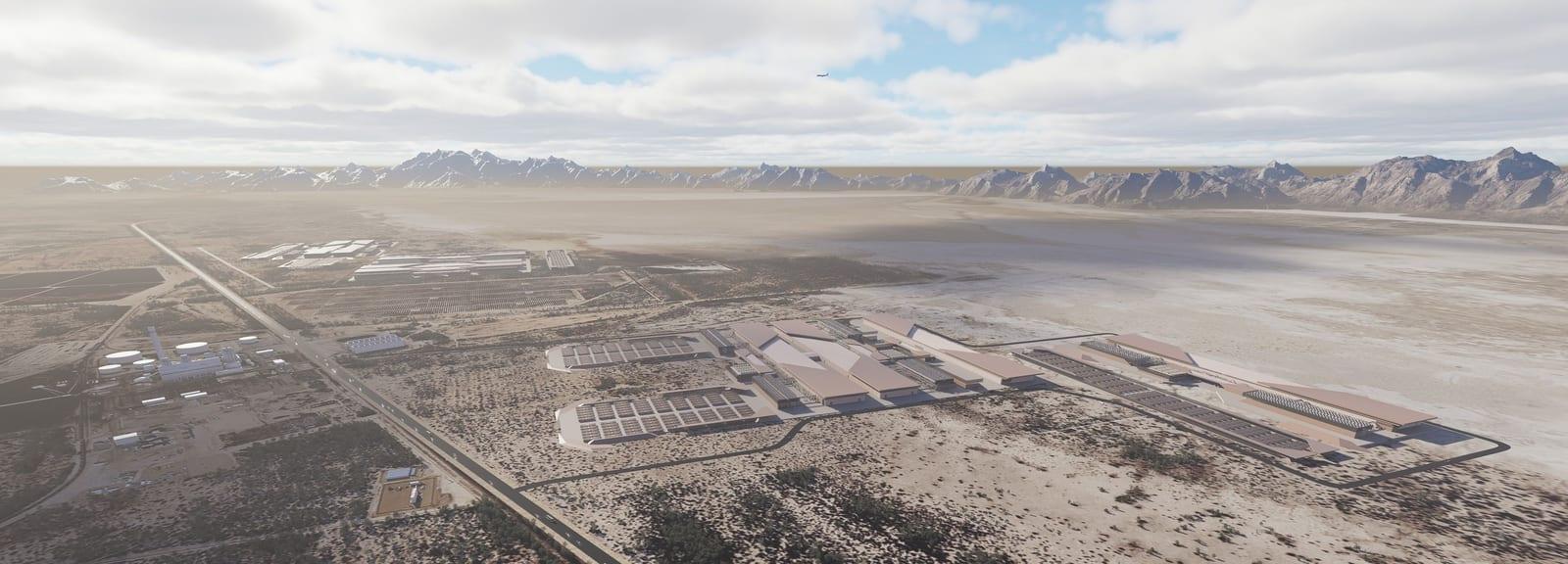
The campus would be dry-cooled. The chips sit on sealed liquid loops that shed heat through fan-cooled radiators, with no cooling towers and no evaporative spray. SpaceX says the loops are filled once and the water is reused for up to 10 years, and that no new high-volume wells are planned.
Total water use at full build, including drinking water for staff and dust control, would be up to 10 acre-feet a year, about what 20 to 30 Arizona homes use, or under 2.5% of a single center-pivot irrigation system. Construction water would come from treated wastewater at the neighbouring Apache Generating Station or be trucked in.
The electricity deal is built to favour residents. SpaceX says it will transfer $3.6 billion in grid upgrades to the Arizona Electric Power Cooperative at no cost, and projects that bills for every member of the local cooperative will fall by 10% to 40% for the life of the project. At full build it would also pay up to $260 million a year to the local cooperative and up to $200 million a year to the statewide one.
“From the Rio Grande Valley, TX to Cochise County, AZ, we're building more than supercomputers.”— SpaceX
None of it is approved yet, and the path to a first building runs through a county hearing room.
What Has to Happen Before March 2027
The county application covers about 747 acres and was filed by Tombstone Resources LLC, a SpaceX affiliate, without the SpaceX name; the company's involvement became public at a town hall on 4 November, Teslarati reported. The Cochise County Planning and Zoning Commission holds a public hearing on 9 December in Bisbee. A petition asking the county to deny the permit has gathered about 2,400 signatures, and Willcox Playa is a winter stop for protected sandhill cranes, which SpaceX says its design accounts for.
If the county says yes, construction could begin in March 2027 and, by SpaceX's figures, create about 5,500 construction jobs and 1,000 permanent ones. The Texas site, about 444 acres near the Port of Brownsville, would generate its own electricity.
The pitch to Cochise County is unusual for a data center: almost no water, lower power bills and $3.6 billion of grid paid for by someone else. If those numbers hold, the desert gets an AI campus that leaves its neighbours with cheaper electricity and their aquifer intact.
What people are saying

“From the Rio Grande Valley, TX to Cochise County, AZ, we’re building more than supercomputers. We’re creating jobs, investing in critical infrastructure, expanding local tax bases, and working alongside communities to build a future that benefits the people who live there →”
SpaceX's $74B Two-State Build
The Brief
Stay curious
AI and technology: what changes and why it matters.
Your daily selection, in English or Spanish.
Free forever. Unsubscribe anytime.
More stories




Conversation
Start the conversation