
 The Specialty News
World Labs Opens Atlas to Everyone, Turning Photos Into 3D Worlds
Atlas rebuilds explorable scenes from one to dozens of images and renders up to a minute of 1440p video along any camera path you set.
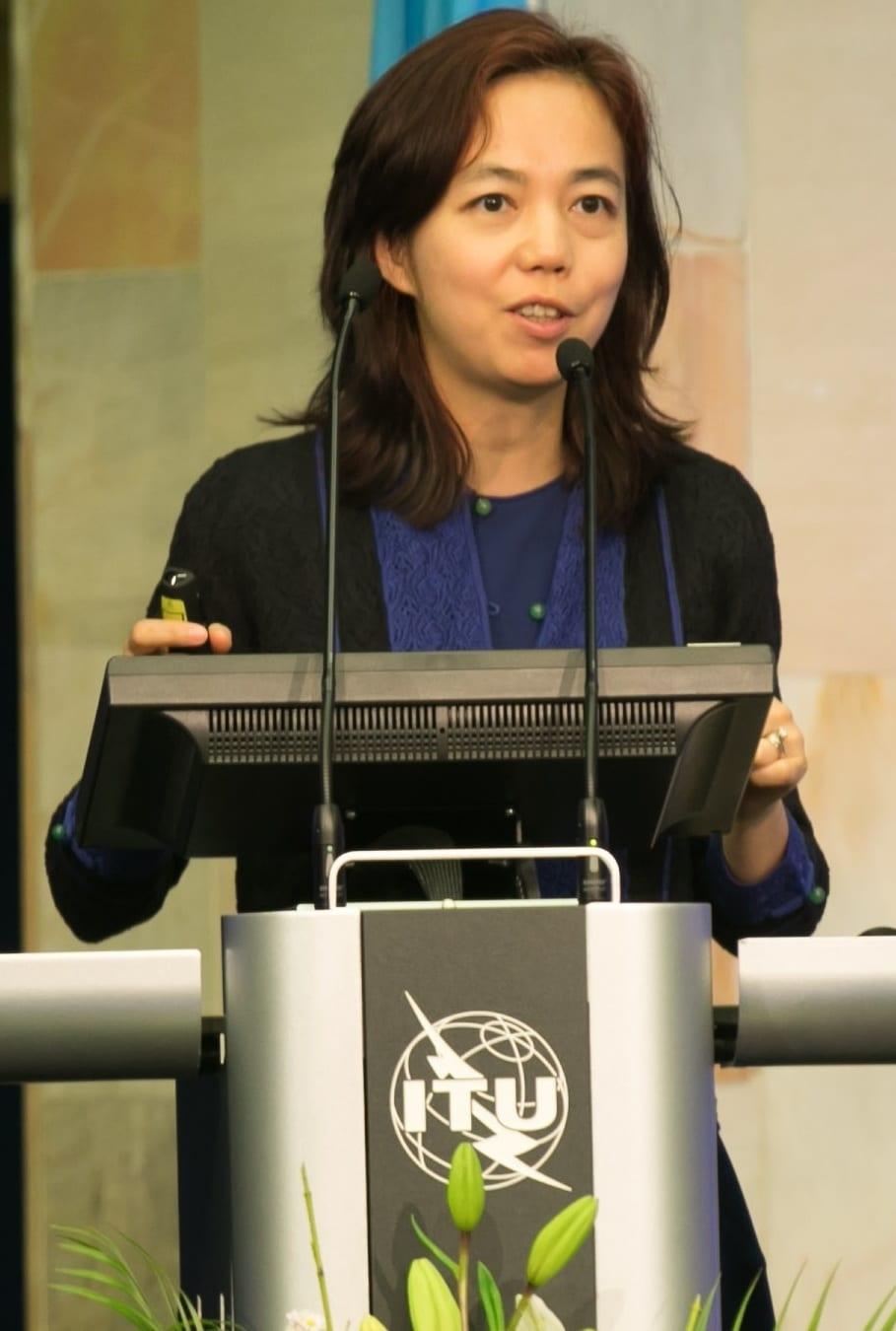
Show Atlas a single photo of a robot beside a pool and it will draw the robot's back and guess that a lawn sits next to the water. On 12 November World Labs, the company Fei-Fei Li co-founded in 2024, opened Atlas to everyone, with five tools and a developer API. Film crews, architects and robotics researchers who had to wait for partner access can now try it themselves.
Five Tools, One Model Underneath
Atlas was unveiled on 1 September, and until this week most of its use went through early partners. The public release wraps it in five tools. Viewfinder reconstructs a scene from photos or generated images and lets you move the camera through it. Chisel lets you block out a room with simple shapes first, so the model follows your layout. Splats to Mesh converts the result into geometry that games and simulators can use, Relight changes the lighting, and a developer API brings all of it into other software, Blender included.
The raw material is the 3D Gaussian splat: a scene stored as millions of tiny coloured blobs that render quickly from any angle. Atlas can also hand back keyframes and video clips, up to a minute long at 1440p.
Under the hood sits a single model that World Labs pretrained from scratch on text, images, video and 3D. Like a language model, it first reads its inputs into a context. The difference is that every image is pinned to a position in space, so the context is a room, not a list. That is how it can imagine the parts of a scene no photo showed and keep them in place as the camera moves, and the company has numbers on how well that works.
The 94% Result, and the Fine Print
World Labs asked third-party human raters which model followed a requested camera path better. Atlas was preferred over MiniMax H3 in 75% of comparisons, over Gemini Omni Flash in 81%, over Happy Horse 1.1 in 86%, over FLUX 3 in 93% and over Seedance 2.5 in 94%.
The comparison has a built-in edge, and the company says so: Atlas received the camera trajectory as precise geometry, while the other models got a text description of the movement. That is the product's point. Directors and designers think in camera paths, and Atlas takes them as a native input instead of a sentence.
On 3D reconstruction, World Labs reports an average point-map error of 25.3 for Atlas against 28.7 for the best specialised model it tested, where lower is better. Those results come from the company and have not yet been reproduced independently, which makes the open release the real test: from this week, anyone can check them on their own photos.
From Marble to AMD in a Year
The release lands exactly a year after World Labs opened Marble, its first public world model, on 12 November 2025. Since then the company has raised $1 billion, in February, from investors including AMD, Nvidia, Autodesk and Fidelity. On 28 September it signed a definitive agreement to join AMD, with Fei-Fei Li set to become AMD's executive vice president and chief scientist, working directly with CEO Lisa Su. The deal is expected to close by the end of 2026, subject to regulatory approval, and co-founders Justin Johnson and Ben Mildenhall will keep leading the team.
“I'm very excited to see what users can build with our newest world model!”— Fei-Fei Li
World Labs pitches Atlas at three groups. A film team can build a set from location photos and direct the camera through it. An architect can turn a graybox sketch into a space to walk clients through. Robotics researchers can turn real rooms into simulated ones for training. A world model used to be a research demo. Now it is a tab in a browser, and the first worlds people build with it will show what spatial AI is good for.
What people are saying

“We’re opening up access to Atlas to everyone today. We’ve built apps and API endpoints to help you use Atlas any way you can imagine: bring your ideas for building a 3D world and come away with keyframes, video clips, or 3D Gaussian splats.”
World Labs' Two-Year Sprint
The Brief
Stay curious
AI and technology: what changes and why it matters.
Your daily selection, in English or Spanish.
Free forever. Unsubscribe anytime.
More stories



Conversation
Start the conversation