
 The Specialty News
Xiaomi Ambushes Apple With a 5mm Foldable — and a $3B Silicon Flex
The 18 Fold ditches efficiency cores for raw power, challenging the incoming iPhone Ultra with a massive in-house chip gamble.
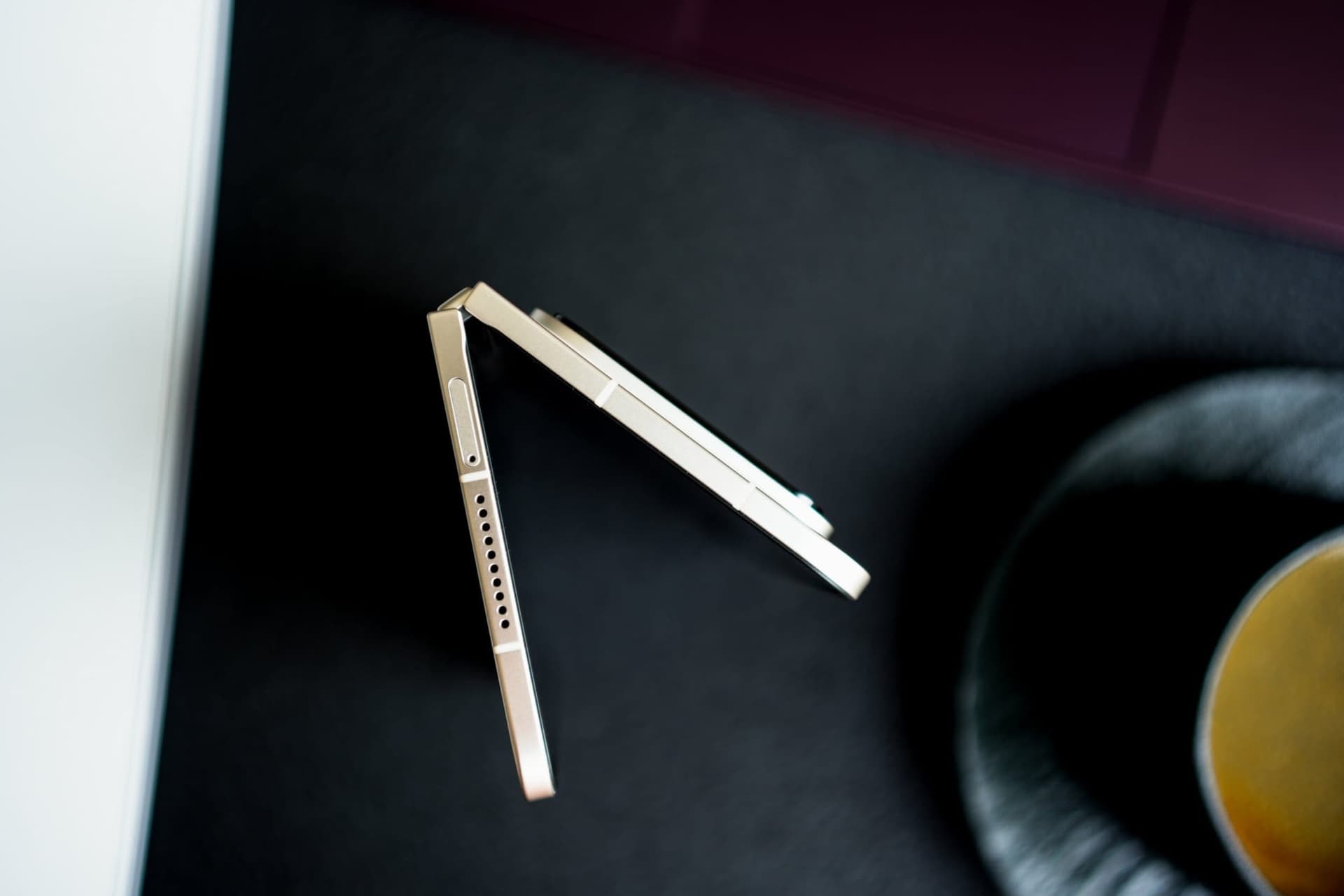
Xiaomi just shoved a massive 6,000 mAh battery and a custom 10-core processor into a folding chassis just 5.02 millimeters thick. They did it exactly 48 hours before Apple takes the stage to announce its own long-awaited first foldable. The timing of the Xiaomi 18 Fold is a deliberate, highly calculated provocation. For years, the foldable market forced users into a rigid compromise. You could buy a heavy, book-style brick, or you could buy an underpowered clamshell that sacrificed battery life for aesthetics. Now, Xiaomi claims to have solved the physics problem entirely, but they are playing a much bigger game than hardware design.
The $3 Billion Silicon Gamble
The real threat inside the 18 Fold isn't its titanium hinge or Leica-engineered cameras. It is the XRING O3, a custom 3-nanometer chip that entirely abandons low-power efficiency cores. Instead, Xiaomi went with an "all-big-core" architecture designed purely for raw throughput.
To pull this off, the company poured roughly $3 billion into developing its own silicon over the last few years. That is the financial equivalent of building a major metropolitan airport, spent entirely on escaping dependence on off-the-shelf Qualcomm parts. By pairing this custom processor with China's first domestic LPDDR6 memory, Xiaomi is directly attacking Apple's A-series dominance on both performance and tight hardware integration.
“[It is] the most advanced flagship in Xiaomi's lineup, designed to compete with the company's regular numbered flagships.”— Lu Weibing
This internal positioning represents a major shift. The strategy pushes the 18 Fold out of the experimental niche and crowns it as the apex of their entire consumer hardware portfolio. But executing that vision requires bending the rigid laws of thermodynamics.
Fighting the Physics of Foldables
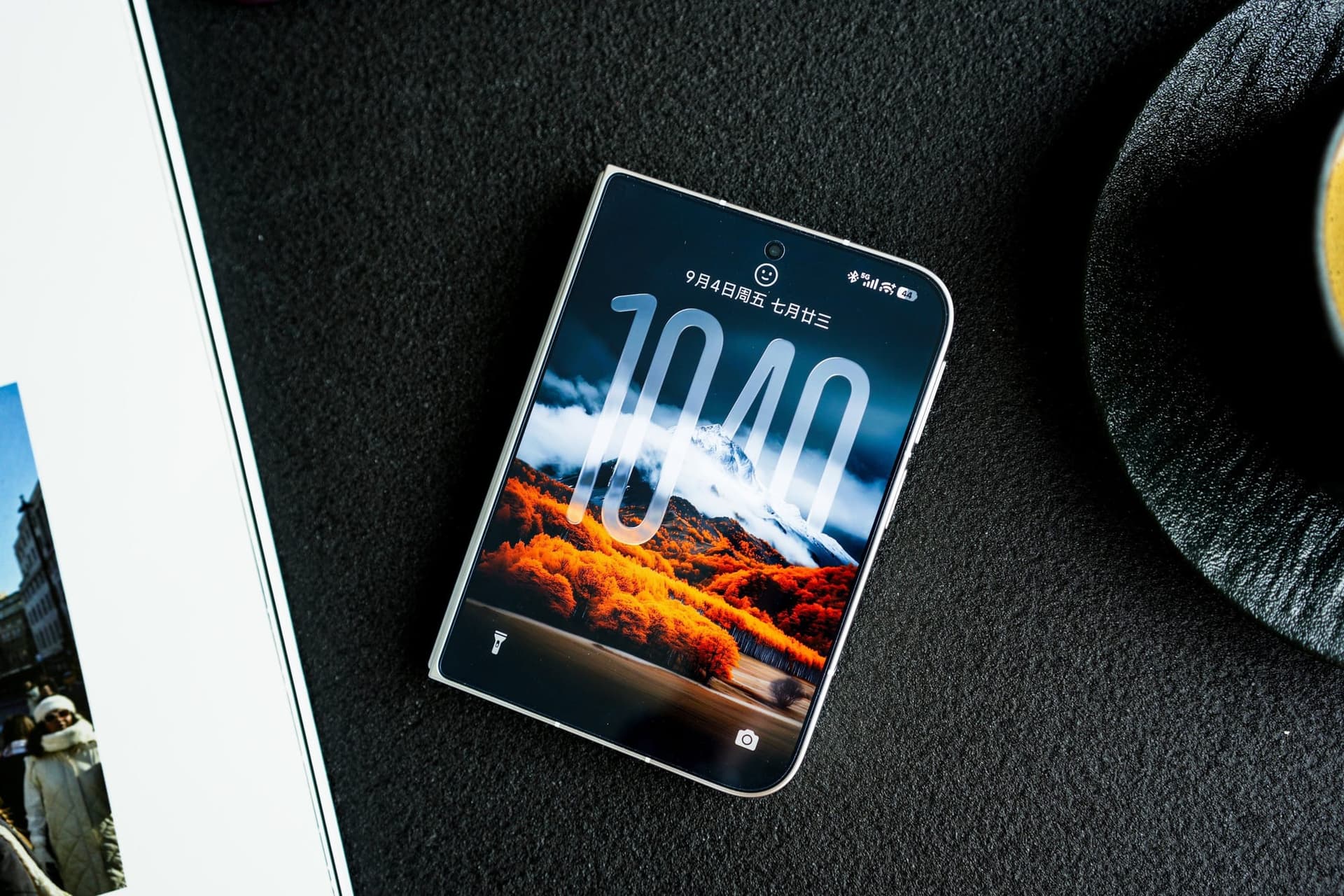
Shoving a 10-core powerhouse and a 6,000 mAh silicon-carbon battery into a frame that rivals two stacked quarters creates an immediate thermal crisis. The 18 Fold relies on a new "Dragon Bone" hinge and a √2:1 aspect ratio that mimics a standard sheet of A4 paper. It operates as a comfortable 5.38-inch phone when closed and an un-cropped 7.58-inch tablet when open.
Xiaomi expects the device to run local AI models managing up to six split-screen apps simultaneously. The skeptics' loudest argument is that the XRING O3 will severely thermal throttle under that kind of intense workload. Beyond physics, there is also a brutal macroeconomic reality capping this ambition.
Hours before the launch, fans begged founder Lei Jun for a cheaper entry price than the $1,640 sticker. Lei was blunt on social media. He cited surging global memory costs that made discounts financially impossible. His candid response highlighted a stark vulnerability. Xiaomi can engineer a hardware miracle, but between component costs and physical limits, the device faces an even harsher boundary on the world stage.
A Masterpiece Trapped in China
The final barrier for the 18 Fold has nothing to do with hardware limits or component pricing. A true rival to the upcoming iPhone Ultra needs a global footprint to compete on unit economics. History and current geopolitics suggest Xiaomi's engineering marvel will never officially launch outside of its domestic market.
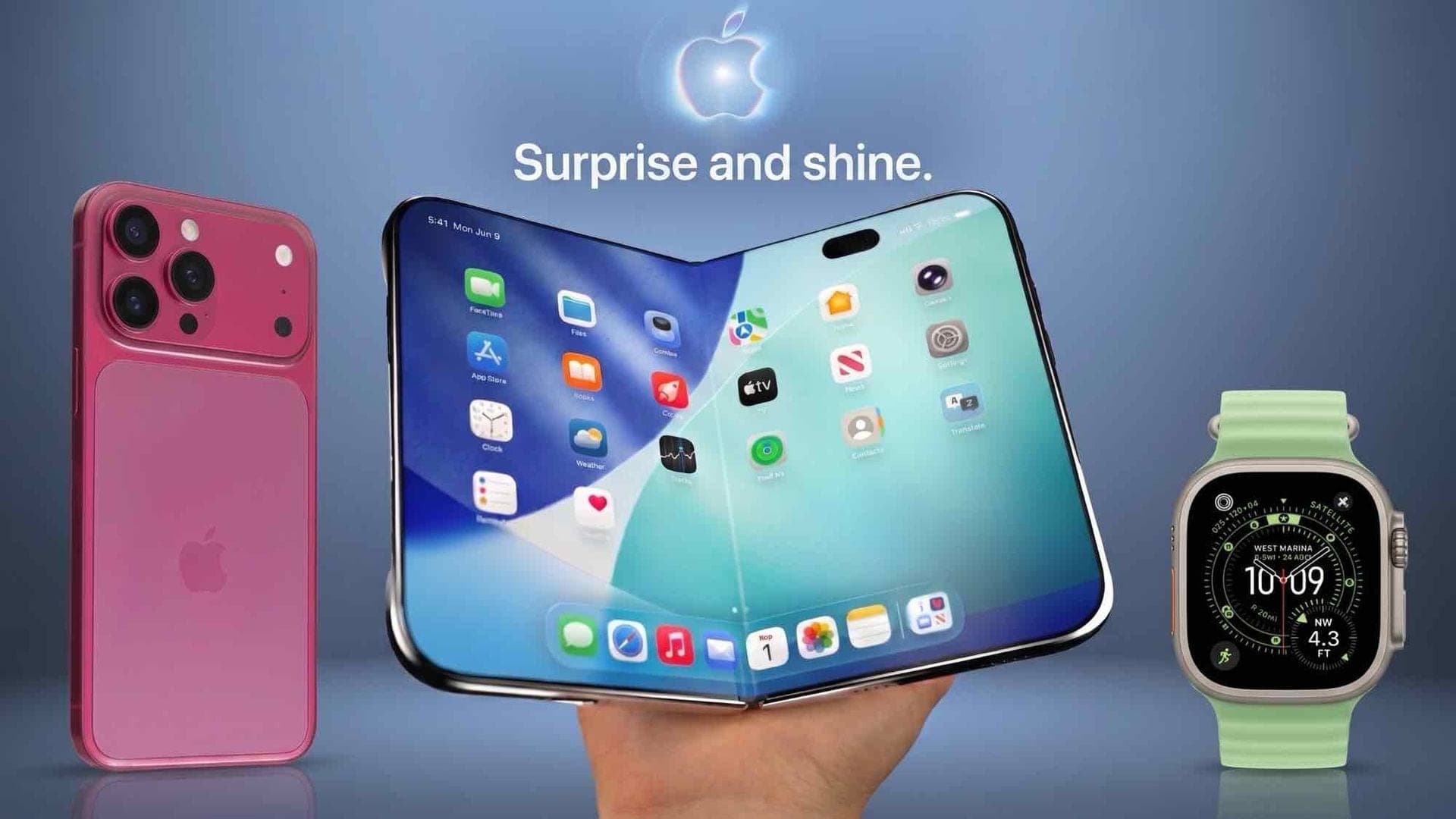
That geographic ceiling means Apple will likely command the Western consumer base by default. The September 9 "Surprise and Shine" event will dominate headlines regardless of whether the new iPhone can match Xiaomi's 5.02mm profile or its raw benchmark scores. Yet the 18 Fold serves as a glaring proof of concept for China's domestic supply chain, which is now operating at the bleeding edge of consumer tech.
Apple is scheduled to officially open the foldable era on Monday, but Xiaomi just proved they no longer need Silicon Valley's permission to define it.
What people are saying

“Xiaomi 18 Fold has officially launched in China 🔴 A compact, wide foldable with Xiaomi’s own XRING O3 chip, a 200MP Leica camera and a 6000mAh battery. • 5.38” cover display + 7.58” folding display • Full RGB pixel layout, up to 4,000 nits peak brightness • 5.02mm thin”
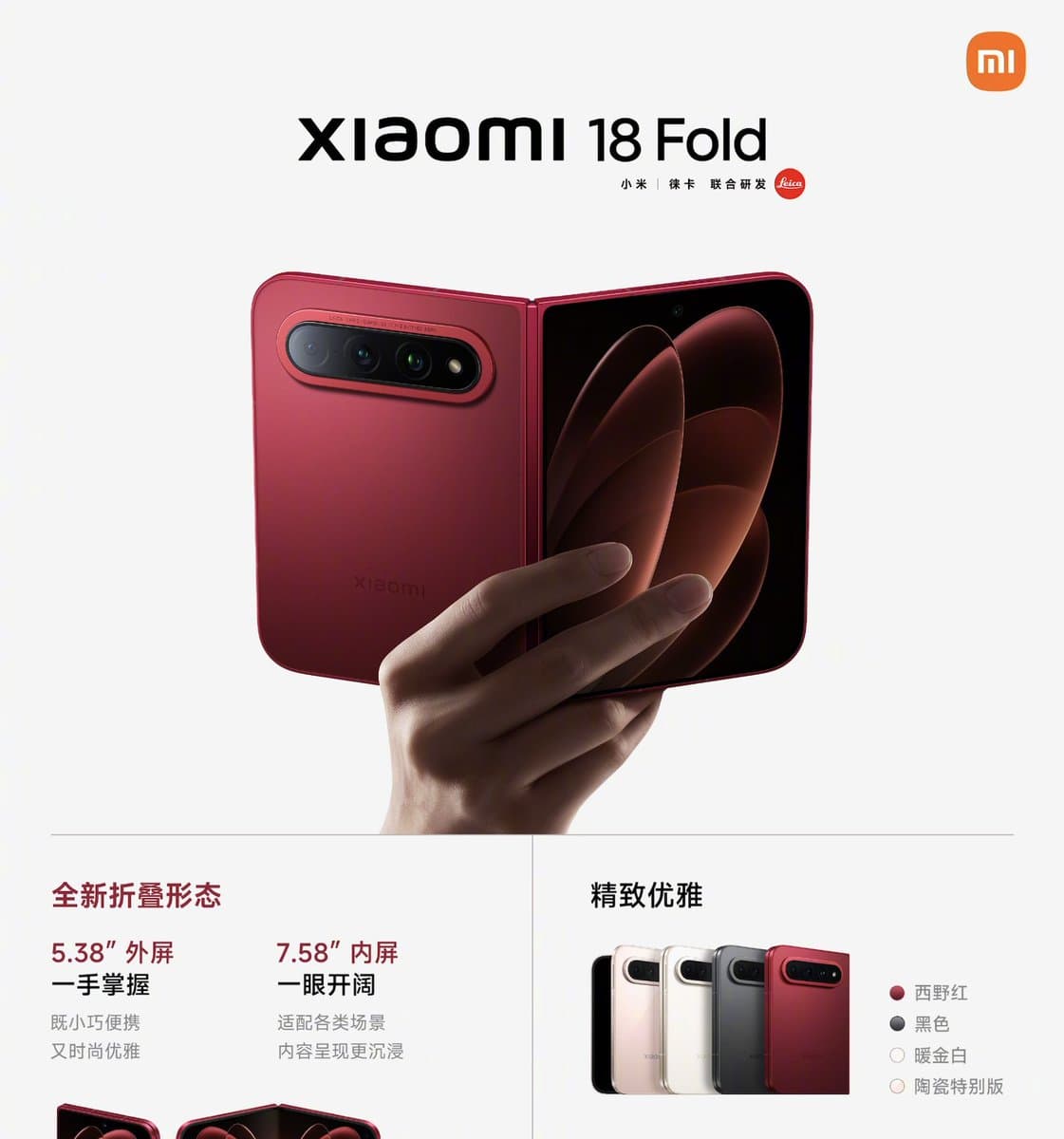

“Franchement, ce Xiaomi 18 Fold semble réussi. Dévoilé deux jours avant la keynote Apple, il pourrait même faire mieux que l’iPhone Duo sur certains choix matériels : batterie de 6 000 mAh, charge 67 W et surtout un téléobjectif 3,5x, auquel Apple renoncerait selon les fuites”
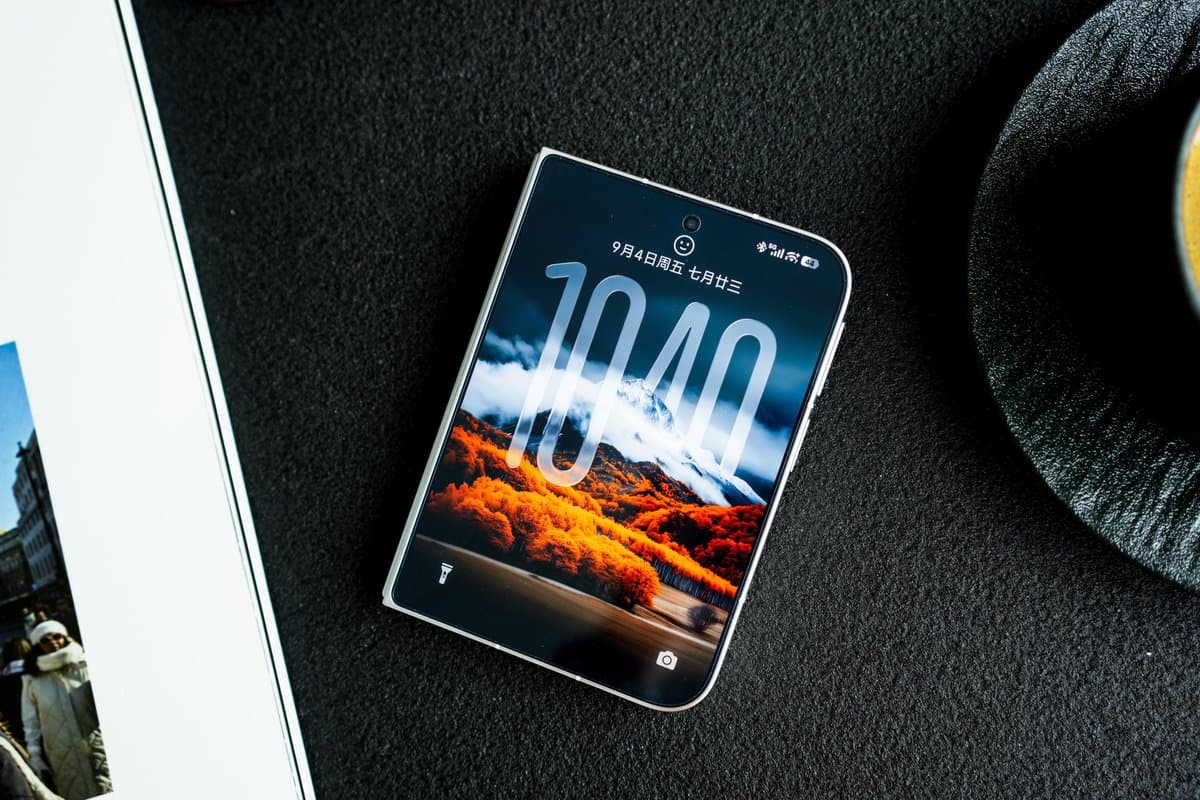

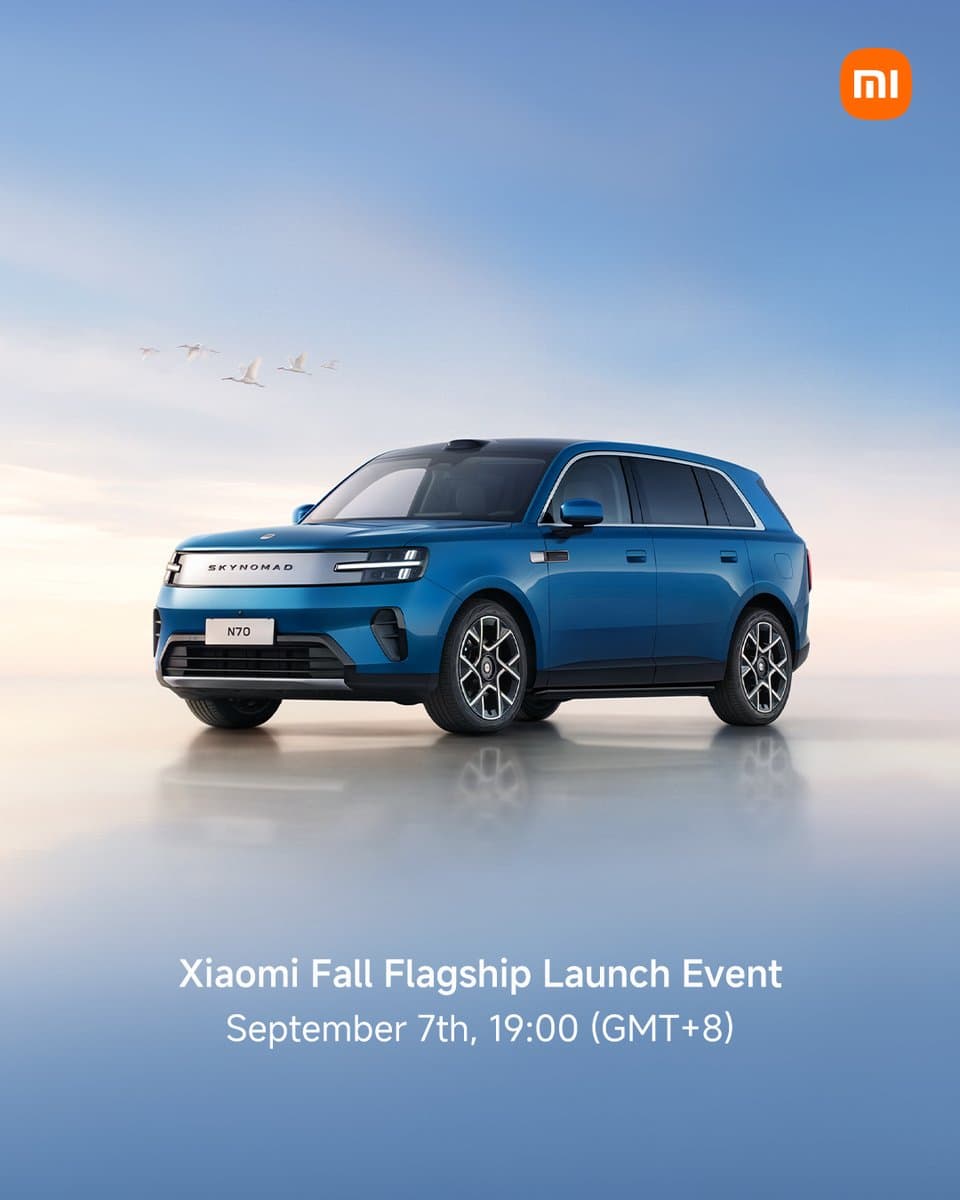
“A new chapter in flagship innovation for Xiaomi. Meet the Xiaomi SkyNomad N70 Pro, N70 Max and N90 Max, launching September 7th, 19:00 (GMT+8). The Xiaomi 18 Fold and Xiaomi Pad 9 Pro Max will also take the stage, alongside the debut of the Xiaomi XRING O3 AI flagship”
Xiaomi's $3B Foldable Threatens Apple
The Brief
Stay curious
AI and technology: what changes and why it matters.
Your daily selection, in English or Spanish.
Free forever. Unsubscribe anytime.
More stories



Conversation
Start the conversation