
 The Specialty News
Apple Leaks 5 Cinema Tools in iOS 27 Code — and Ends the Fake Blur Era
The iPhone 18 Pro adds a massive 13.77mm camera bump to house its first mechanical aperture, forcing a total rewrite of the default camera app.
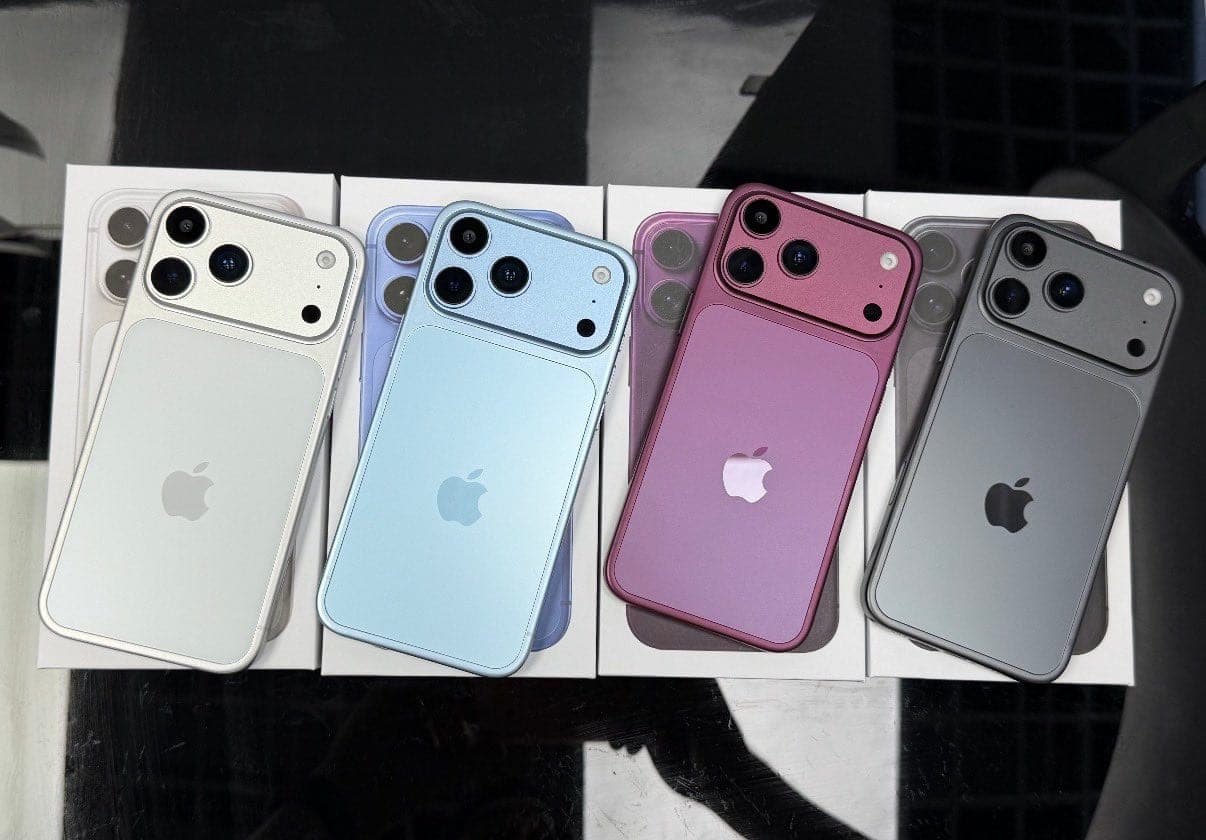
Buried in the eighth beta of iOS 27, a lone MacRumors forum hacker named "pdfu" uncovered the exact tools Apple is about to announce on stage. The code reveals five highly complex, cinema-grade features—including RGB Parade waveforms and focus peaking—woven directly into the iPhone's default camera app. This software leak exposes a massive hardware shift: Apple is finally adding a moving, mechanical variable aperture to the iPhone 18 Pro.
The Physical Price of Real Light
Historically, smartphone cameras have operated with fixed apertures. The lens pupil cannot dilate or shrink, so Apple spent a decade using algorithms to artificially blur backgrounds and brighten shadows. A mechanical variable aperture physically opens and closes to control light.
Housing moving parts requires immense physical space. Supply chain leaks and diagnostic logs from a hacked Apple partner suggest the new Sony sensor will push the iPhone 18 Pro Max camera bump to a record 13.77 millimeters thick. It is enough extra glass and metal to make the device wobble like a seesaw when laid flat on a desk. But for professional photographers, that physical bulk is the price of admission for genuine optical control.
“If the iPhone can adjust the size of the aperture, it gives video shooters a second way to adjust exposure.”— Jeff Carlson
To support this hardware, Apple had to build new software. The iOS 27 leak shows the native camera app will now calculate aperture-dependent image correction, blending up to four calibration references to fix lens distortion as the mechanical aperture moves. It represents a total victory for film professionals, but it introduces a severe interface problem.
The Complexity Trap
Apple engineers are currently walking a treacherous tightrope. They want to give cinematographers manual focus locks and luminance histograms, but they have to do it without overwhelming a parent who just wants to point and shoot a photo of a toddler.
Industry watchers noticed a quiet shift recently when Apple hired Sebastiaan de With, the creator of the indie pro-camera app Halide. Now, iOS 27 is natively integrating the exact pro-level features that third-party apps like his championed for nearly a decade. The default camera app will display zebra stripes to show exactly what is in sharp focus, actively threatening the paid tools that previously gatekept these functions.
The upgrade will not come cheap. Early rumors suggest the memory chips and complex Sony sensors could push the Pro models up by as much as $200 this year, and the mechanical aperture might be physically restricted to the larger Pro Max model.
Apple spent years teaching a computer to guess what a photographer wanted to capture. Now, the iPhone finally has real moving parts in its lens, and the only question left is whether Apple can keep the 99 percent of casual users from noticing the complexity.
What people are saying

“(1/3) About that Claire gameplay clip leak, I do have something to say. So first it could be fake in the sense it's a mod to jiven up the rumor mill, since it's a modification of RE:2 Claire very clearly. But I actually don't think it's AI, & there is one other possibility.”

“Geoffrey Hinton(Godfather of AI): Als are now faking their intelligence. The models can tell when a test is running. And when they can tell, they play dumb. Hinton calls it the Volkswagen effect: one set of behaviour under inspection, another when nobody is checking. In one”

“Rarement lu quelque chose d’aussi juste. La culture du fake/buzz/ hors contexte clipping est le véritable ennemi de ce genre d’initiative : elle privilégie l’interprétation malveillante au détriment de la réalité des faits sur place.”
Mechanical Aperture Ends Fake Blur
The Brief
Stay curious
AI and technology: what changes and why it matters.
Your daily selection, in English or Spanish.
Free forever. Unsubscribe anytime.
More stories


Conversation
Start the conversation