
 The Specialty News
Tesla's Cybercab Halves Uber's Price — and Triggers a Federal Probe
Early riders are napping in $30,000 robotaxis with no manual controls, but a regulatory crackdown threatens to park the fleet.
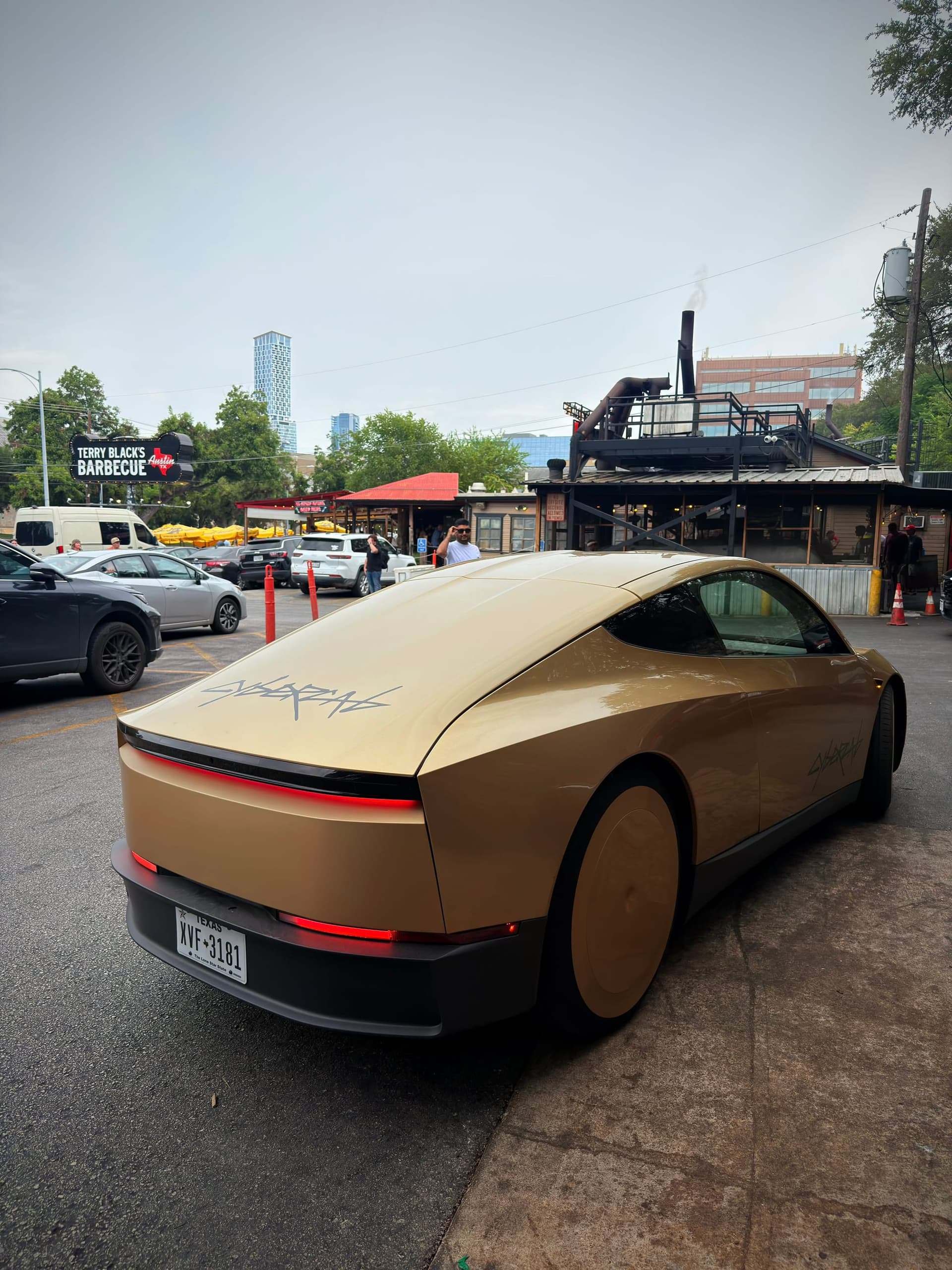
On Texas highways this week, paying passengers are actively reclining their seats and napping in the front of a vehicle traveling at highway speeds with no steering wheel, pedals, or mirrors. Tesla’s Cybercab is officially picking up the public, testing a boundary that most automakers assumed was years away. But on the exact same day the $30,000 robotaxi began reshaping local transit economics, the federal government opened an investigation into how a car without basic manual controls was legally allowed on the road.
The Economics of the Empty Seat
Tesla investor and early rider Sawyer Merritt spent three hours bouncing between destinations in Austin. He didn't call support once, nor did he experience any jittery lane changes. He just trusted the system and paid his bill.
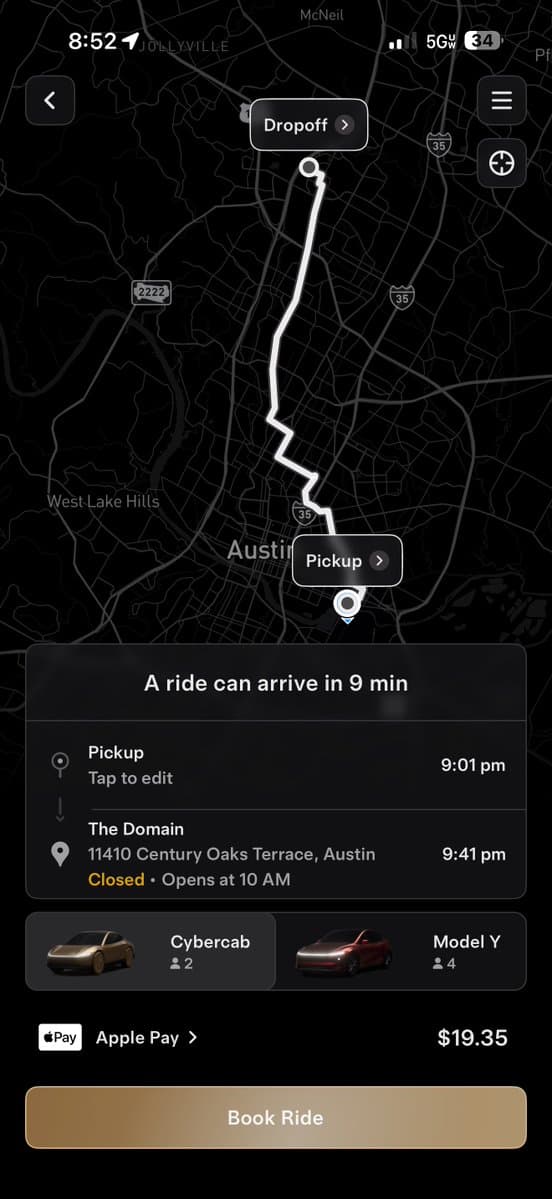
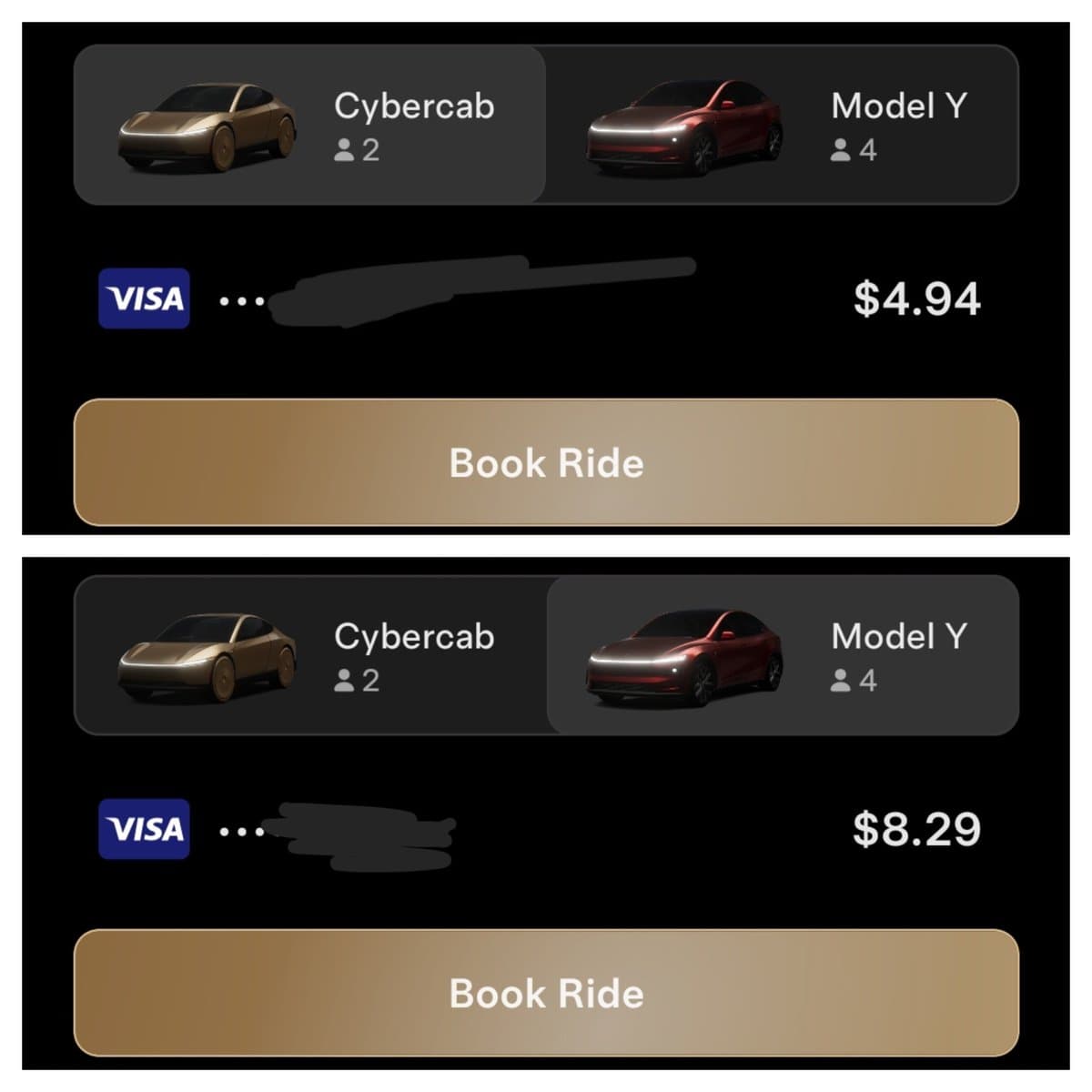
That 54 percent structural discount is what happens when you remove the human driver from the rideshare economic model. It cuts the price of a private chauffeur down to the cost of a bus ticket. Tesla's long-term operating target is just 20 cents per mile. If the company hits that floor, it collapses the business models of Uber and Lyft, which rely entirely on paying independent contractors to sit behind the wheel.
But replacing a driver with a mobile living room—where Elon Musk envisions riders plugging PlayStations into a 22-inch screen—hits a snag when vision collides with limited supply.
The Irony of Scale
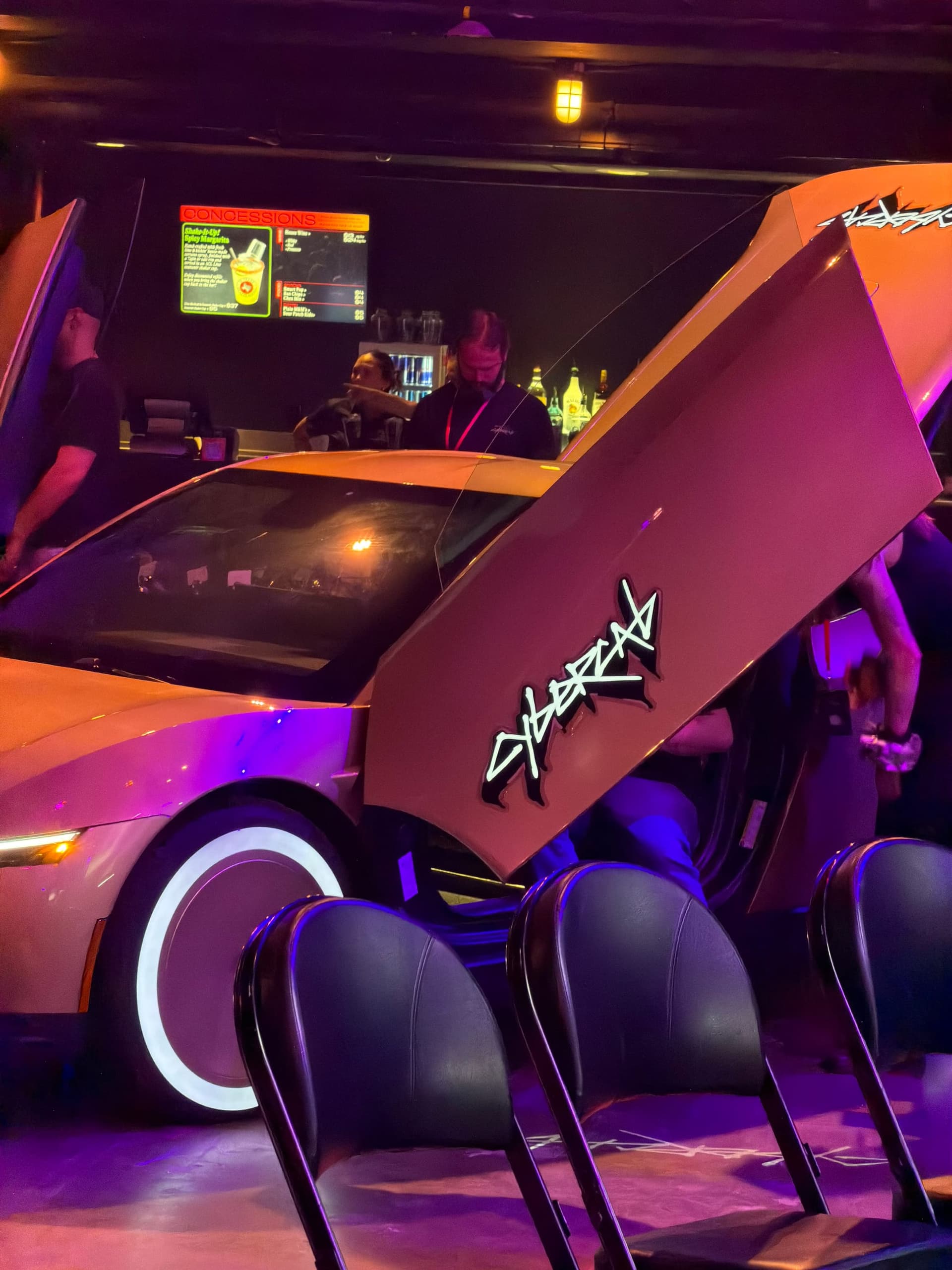
The short-term reality of deleting the driver is messy. Over its opening weekend, extreme novelty demand for Texas's initial fleet of roughly 45 Cybercabs pushed wait times past an hour. The algorithms responded exactly how Uber's do, and surge pricing briefly made the automated utopia more expensive than a human-driven car, with a 1.3-mile trip pricing out at $15.24 compared to Uber's $6.41.
Yet riders adapted with shocking speed to the missing hardware. The absence of a rearview mirror fades from consciousness when you realize you are no longer operating a machine, but sitting inside a moving room.
“For anyone else trying Cybercab for the first time, I encourage you to recline your seat all the way back and just close your eyes for a minute.”— Sawyer Merritt
That surreal sense of trust, built on a vision-only software architecture, is exactly what federal regulators are preparing to challenge.
The Mirror Mandate
The National Highway Traffic Safety Administration plays by a rigid rulebook. The Federal Motor Vehicle Safety Standards were written exclusively for a world where a human sits in the left seat and needs physical mirrors to see behind them. In their open audit query, regulators are demanding to know exactly how Tesla self-certified a vehicle that ignores these foundational requirements.
The stakes are uniquely high for Tesla because of its hardware philosophy. While competitors like Waymo outfit their fleets with six-figure arrays of spinning lidar and radar as fail-safes, the Cybercab relies entirely on cameras. Skeptics point out that if severe weather blinds those lenses, there is no steering wheel for a human to grab and no secondary sensor to guide the car to the shoulder.
The software has already proven it can delete the driver. Now Tesla has to prove it can survive the law.
What people are saying



Cybercab's 54% Discount Faces Roadblocks
The Brief
Stay curious
AI and technology: what changes and why it matters.
Your daily selection, in English or Spanish.
Free forever. Unsubscribe anytime.
More stories
Conversation
Start the conversation