
 The Specialty News
U.S. Strikes Iranian Mine Launchers in Hormuz, and 8 Ballistic Missiles Follow
After a grueling month clearing the strait, American forces caught the IRGC loading new explosives, dragging Jordan into a widening regional conflict.
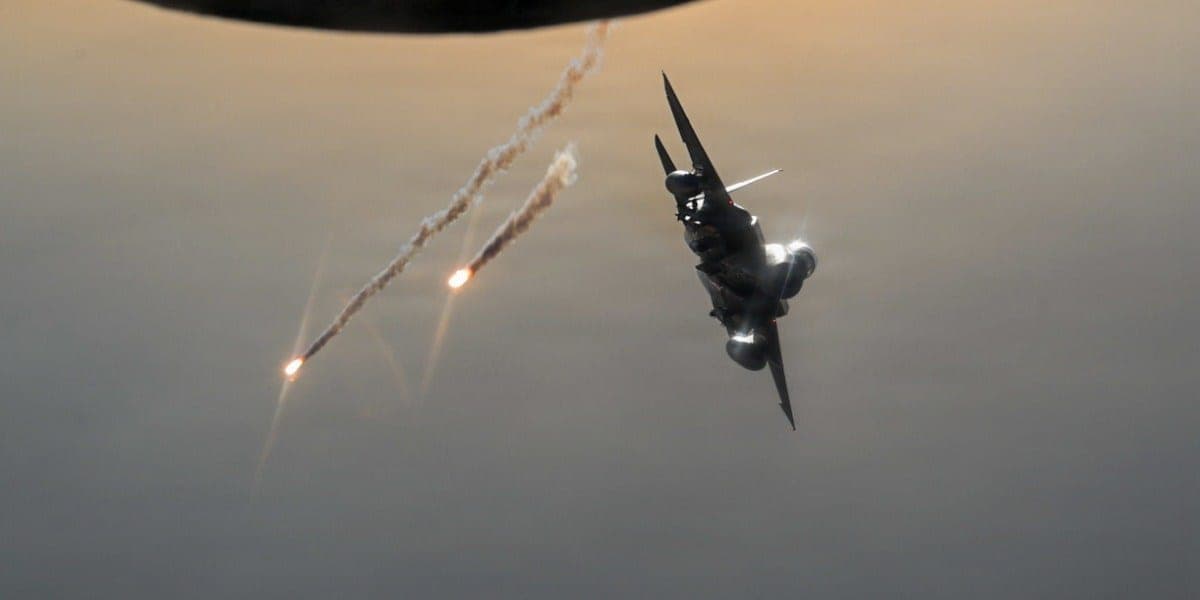
For the past month, the U.S. military painstakingly cleared sea mines from the international shipping routes of the Strait of Hormuz. On Sunday, American surveillance caught Iran’s Islamic Revolutionary Guard Corps on Larak Island loading rocket launchers to shoot fresh explosives right back into the pristine waters. The U.S. bombed the launchers before they could fire, ending a brief halt in direct military action and reigniting a six-month conflict. The strike succeeded in protecting the channel, but the immediate blowback proved this war is no longer confined to the sea.
The Cost of the Guardian
The preemptive strike on Sunday was designed to neutralize an imminent threat to commercial mariners. According to U.S. Central Command, the action was limited and precise. But securing a waterway that handles a fifth of global oil and liquefied natural gas is becoming an increasingly complex geopolitical negotiation.
President Donald Trump has treated the strait's security as a premier bargaining chip. In July, he briefly attempted to charge a 20 percent protection fee on all transiting global cargo. That proposal translated to a potential $30 million toll on a single fully loaded supertanker, an unprecedented tax on maritime trade.
He ultimately walked the policy back in exchange for billions in Gulf state investments. Yet the underlying tension remains. Washington is spending massive resources to guarantee the free flow of commerce, and the administration wants allies and trading partners to shoulder the burden. That economic pressure is now moving from the water to the banking system.
A Campaign of Financial Violence
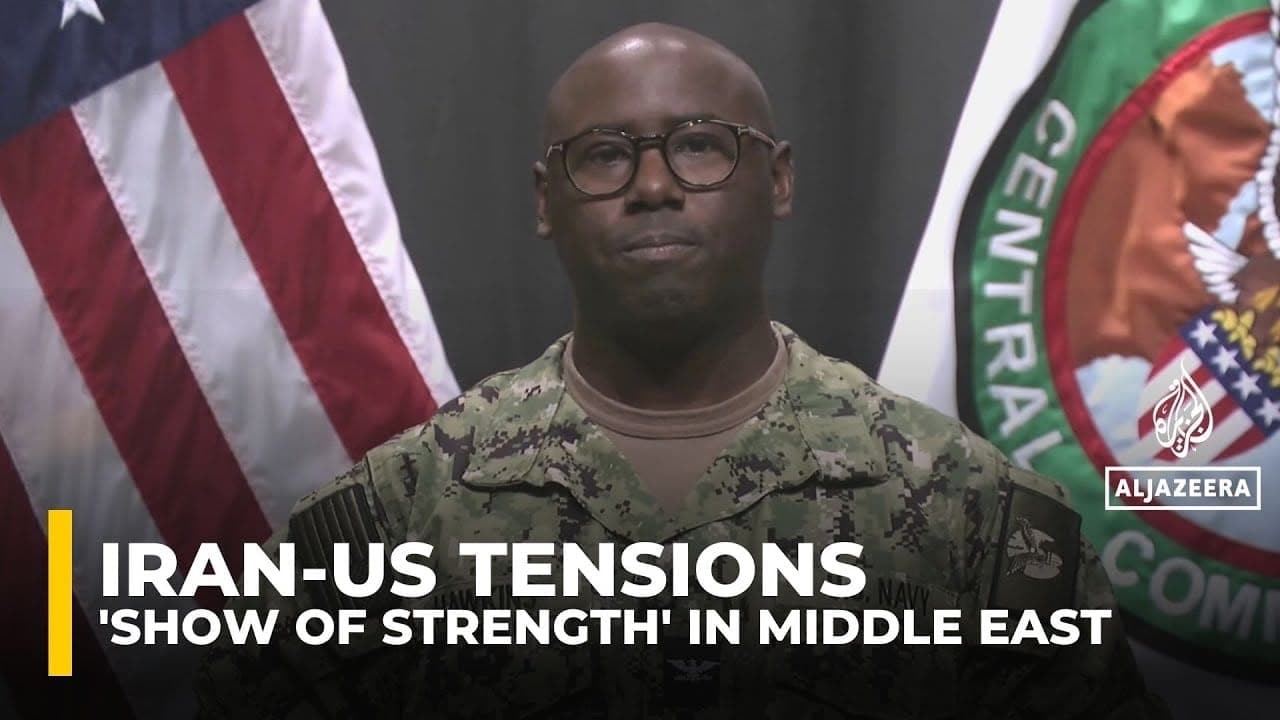
With direct kinetic strikes paused throughout most of August at the urging of Qatari mediators, the U.S. shifted its focus to an aggressive economic flank. Treasury Secretary Scott Bessent spent the month orchestrating severe banking sanctions targeting the financial networks that fund the IRGC's operations.
“This is going to be financial violence if we have to. We are showing people that we know who you are, you know who you are, and this has got [to stop].”— Scott Bessent
The strategy relies on starving Iran of the capital needed to build and deploy the very rocket systems destroyed on Larak Island. But economic strangulation takes time to yield results on the battlefield. The IRGC immediately demonstrated that its offensive capabilities remain intact and ready to deploy across borders.
What people are saying

“🚨U.S. official: "Earlier today U.S. forces struck two Iranian launchers on Larak Island. Islamic Revolutionary Guard Corps forces were observed preparing to launch rockets with sea mines into Strait of Hormuz"”

“BREAKING: Iran has just launched a ballistic missile and several drones from Bandar Sirik toward vessels in the Strait of Hormuz, per multiple initial reports. Loud explosions in the Strait.”
“🇺🇸🇮🇷🚢The U.S. Navy has cleared all mines from the main shipping lane of the Strait of Hormuz, President Trump said on Tuesday. My report on @axios”
From Tolls to Ballistic Missiles
The Brief
Stay curious
AI and technology: what changes and why it matters.
Your daily selection, in English or Spanish.
Free forever. Unsubscribe anytime.
More stories



Conversation
Start the conversation