
 The Specialty News
US AI Chip Rules Now Reach the Cloud and Five New Countries
Brazil, Indonesia, Malaysia, Singapore and Thailand join the licence list, US-headquartered buyers stay exempt if they report, and the never-enforced AI Diffusion Rule is formally gone.

A data centre in Johor or Singapore can now need an American licence for chips that never leave its racks, if the computing power they produce is rented out to the wrong customer. On Monday the US Commerce Department's Bureau of Industry and Security (BIS) issued an interim final rule that extends its controls on advanced AI chips from shipping crates to cloud accounts, and adds five countries to the list where a licence is needed. It also clears away a framework that was never enforced, and leaves American companies building abroad with a reporting duty instead of a licence.
Renting the Compute Now Counts Like Buying the Chip
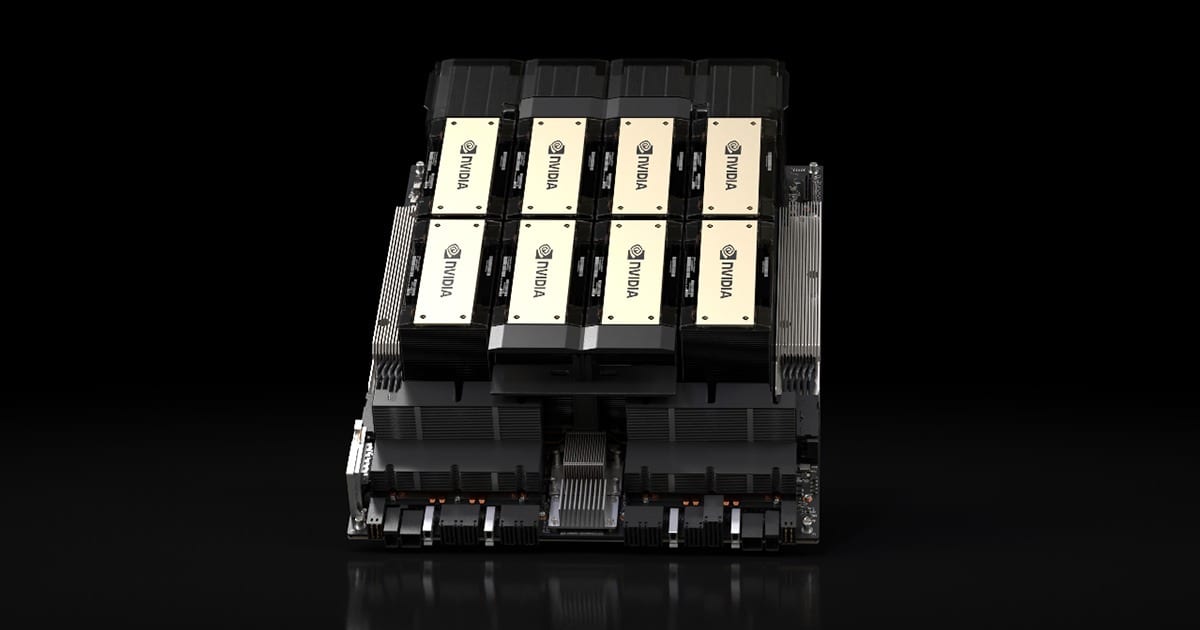
Until now, US controls focused on who received a chip. A licence was already required to ship advanced AI chips to companies headquartered in China, Macau or the other countries in Country Group D:5, the US list of arms-embargoed destinations. The gap was the cloud: a data centre in a third country could buy the chips legally and rent their output to anyone.
The new rule closes that path with a threshold. Exporting advanced chips to a data centre, anywhere in the world, needs a licence if the operator knows it will give companies headquartered in D:5 or Macau access to more than 12,000,000 "aggregate TPP", the sum of the chips' total processing performance, at one site or across "linked data centers". It also covers a middleman that trains models for such a company. Data centres already serving those customers have 90 days to get a licence. Applications will be reviewed case by case.
One carve-out keeps ordinary commerce moving: computing power used only for "commercial recommender systems", the engines behind online shops and social feeds, is excluded, because BIS says they do not pose the same national security risk. BIS described the goal as making sure existing restrictions "cannot be circumvented through remote computing arrangements involving data centers in third countries."
The rule then names the places it worries about most.
Five Countries, and a Fast Lane for American Builders
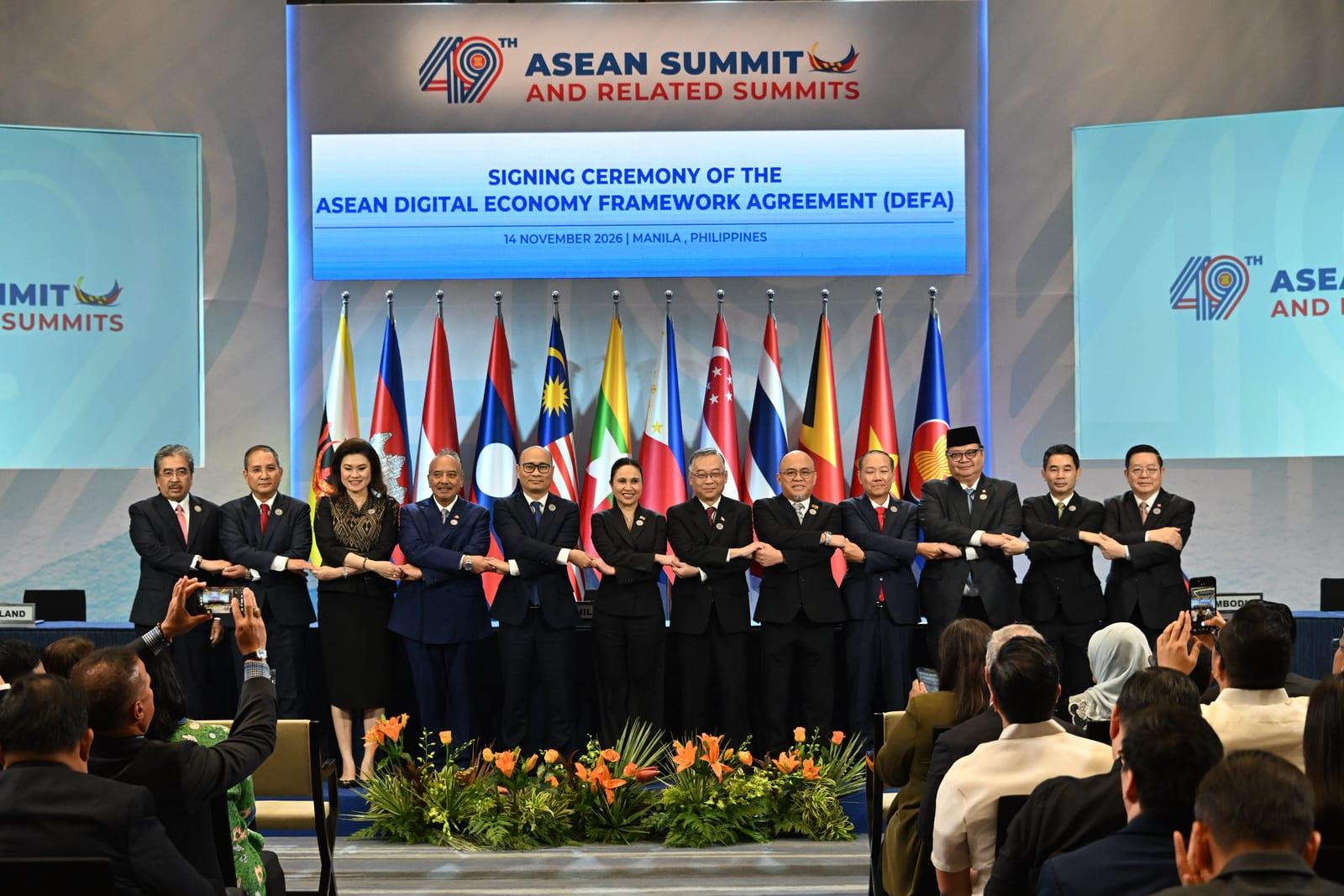
Exports of advanced AI chips to Indonesia, Malaysia, Singapore, Thailand and Brazil now need a licence. BIS says these countries "present a higher-than-normal risk of diversion", and the Secretary of Commerce can add others. Applications will be judged partly on how well each country enforces export controls and works with BIS.
The exemption matters as much as the list. The licence requirement does not apply when the buyer is headquartered in the United States, or its ultimate parent is, as long as the exporter meets new reporting requirements. American cloud companies building in Southeast Asia keep a path that runs through paperwork, not permission.
The rule also tightens a quieter channel. Chip designers based in these destinations lose some of the ways to prove to foundries and packaging plants that their advanced chips fall outside the controls. And BIS warns that countries which tolerate evasion could face import restrictions, a downgraded export-control status or Entity List designations for the people involved.
All of this adds rules. So why does BIS call the result simpler?
A Shorter Rulebook, and a Name Change
Because the same document deletes a larger one. It formally rescinds the AI Diffusion Rule published in January 2025, which split the world into tiers and required licences almost everywhere. That rule was never enforced, and BIS announced its rescission in May 2025. Gone with it are the worldwide licence requirement, the country tiers, two licence exceptions and the controls on AI model weights, which BIS says are better handled through destination and end-use rules.
That estimate, from the rule's own paperwork section, shows how targeted the change is. Most chip trade carries on as before. President Donald Trump drew the same line at the White House on Monday.
“Selling the other chips is a good thing, not a bad thing.”— Donald Trump
The rule takes effect when it is published in the Federal Register, with 60 days for comments. It also carries a small sign of the times: under Executive Order 14434, "Inaugurating the Era of Super Intelligence", the text says "Super Intelligence" wherever earlier rules said "artificial intelligence". The renamed chips now come with one clear test, whether they arrive in a crate or through a login.
From Tiers to Targeted Licences
The Brief
Stay curious
AI and technology: what changes and why it matters.
Your daily selection, in English or Spanish.
Free forever. Unsubscribe anytime.
More stories




Conversation
Start the conversation