
 The Specialty News
Congress Publishes the Numbers: 879,000 AI Chips Cleared for China
The House Foreign Affairs Committee released Nvidia and AMD's China export licenses: 3.4 million chips requested, about one in four approved.
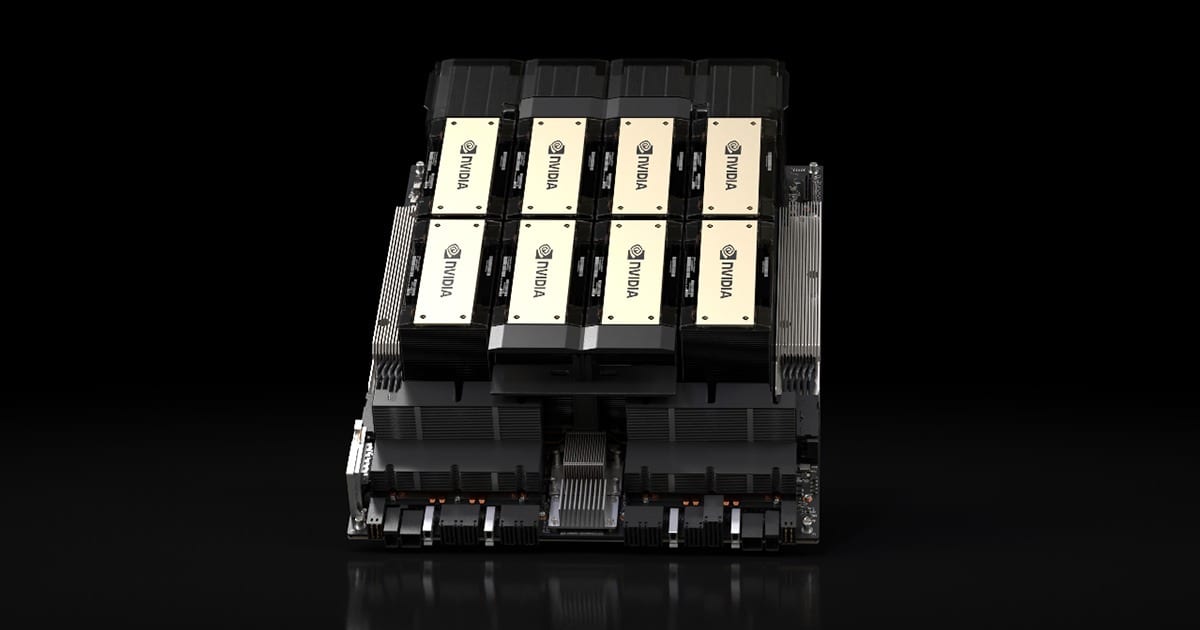
For six months, the US Commerce Department approved close to 5,000 advanced AI chips a day for Chinese buyers, and until Thursday almost nobody outside the government could see the list. On November 19, Brian Mast, chairman of the House Foreign Affairs Committee, used his powers under the Export Control Reform Act to publish the licenses for Nvidia and AMD chips bound for China. The committee calls it the most detailed public disclosure in the law's history, and it turns a policy argued in generalities into one with names and numbers.
3.4 Million Asked For, 879,000 Approved
The records cover licenses for Nvidia's H200 and AMD's equivalent MI325X, the two chips at the center of the debate. According to the committee, the requests added up to 3.4 million AI chips for China, and the Bureau of Industry and Security (BIS), the Commerce office that grants export licenses, approved more than 879,000 of them. Reuters reports that the approvals ran from December 2025 through May 2026.
That window opens with a decision. In December 2025, President Donald Trump gave Nvidia the green light to ship the H200 to China, rolling back restrictions from the Biden years. The licenses show what happened next, request by request.
Roughly one request in four got through. Export licenses are normally confidential, which is why the release matters as much as the totals: lawmakers, investors and the companies' own customers can now see where the line was drawn. The next question is who sits on the other side of it.
Tencent's 150,000 and the Rest of the List
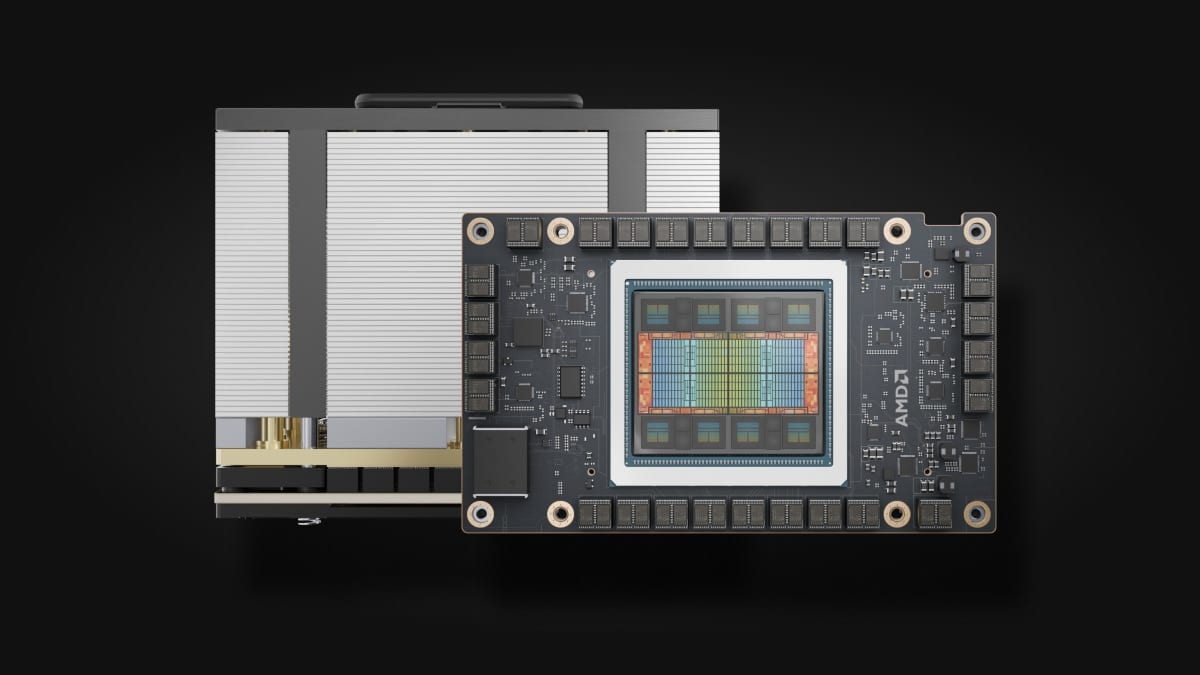
Reuters, citing the committee, names four of the buyers. Tencent was approved for 150,000 chips, Alibaba for 75,000, Baidu for 43,000 and the carmaker BYD for 4,000. Together that is about 272,000 chips, close to a third of the total.
All four are on the Pentagon's list of Chinese companies it says are backed by the military, which the committee's release cites under the department's new name, the Department of War. Chris McGuire, a former US official, told Reuters that over 30% of the AI chips went to companies on that list. The release also mentions requests by Nvidia to depend on what it calls possible chip-smuggling fronts, without detailing them in its text.
Those are the facts a real debate needs. The case for selling chips to China to keep American companies in that market, and the case for holding them back to protect a lead in AI, can now be weighed against the same list. What the list does not say is the part that matters most.
The Number Still Missing: How Many Shipped
A license is permission, not a delivery. Reuters noted that it was not immediately clear how many of the approvals turned into chips that actually left for China. Nvidia's answer was short.
“Despite receiving some licenses, we have since stopped shipping H200s to China.”— Nvidia
The company added that the approvals came with strict conditions and limited volumes. AMD did not immediately respond to Reuters. Investors reacted the same day: Nvidia closed down 3.3% and AMD fell 7.7%.
The lasting change is the precedent. Licensing decisions that used to stay inside Commerce are now on the record, the next ones will be judged against these, and the shipped figure is the obvious next request. Washington's chip policy now has a ledger, and anyone can read it.
From 3.4M Asked to 879K Cleared
The Brief
Stay curious
AI and technology: what changes and why it matters.
Your daily selection, in English or Spanish.
Free forever. Unsubscribe anytime.
More stories






Conversation
Start the conversation