
 The Specialty News
Denmark Asks the EU to Suspend Tourist Visas for Russians Across Schengen
A note sent to member states on November 20 also asks Schengen to stop recognising Russian non-biometric passports, and EU ambassadors take it up on Monday.
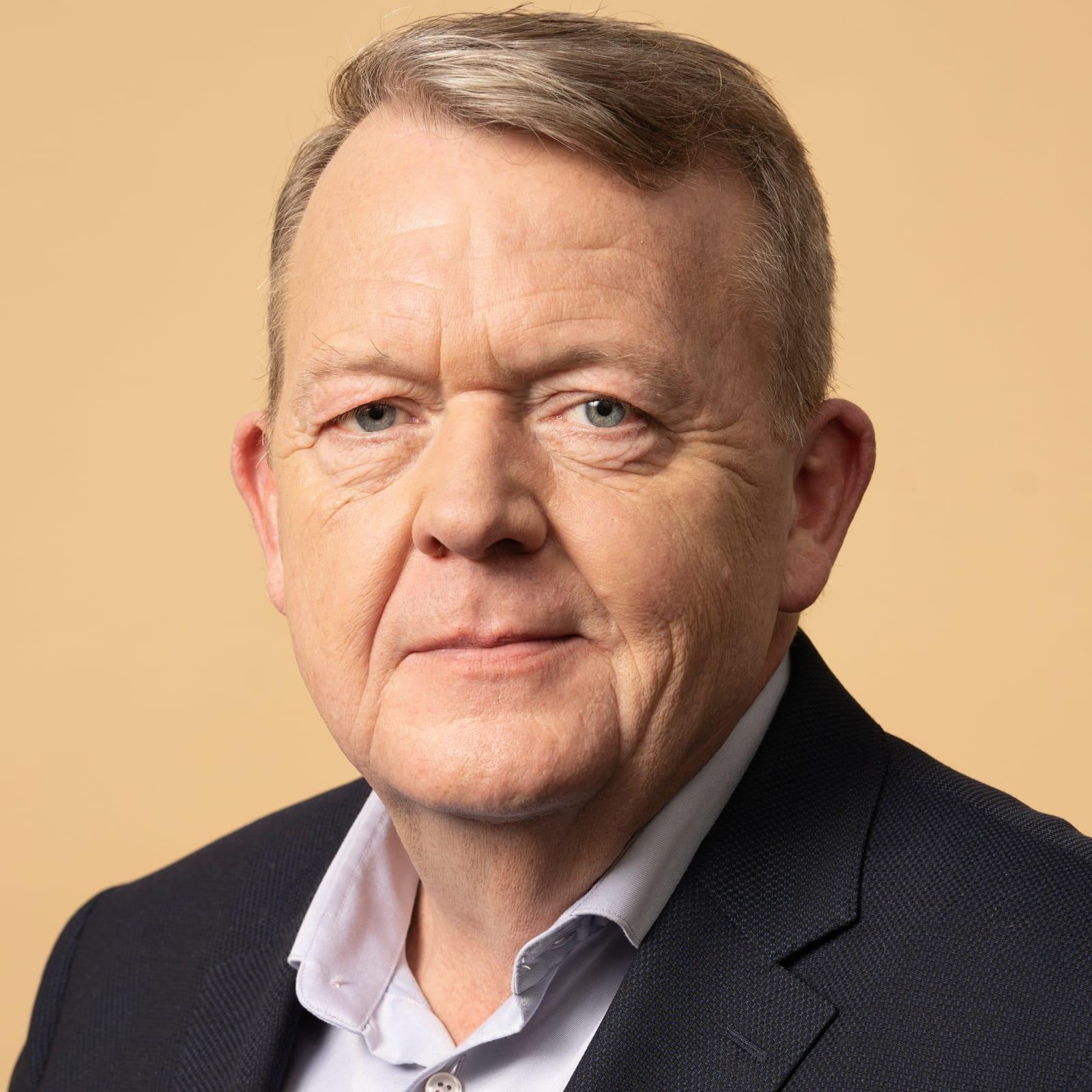
On the evening of September 25, police stopped three men in a car near a concert venue north of Copenhagen and found firearms and knives. Danish intelligence now says Russia planned the attack, aimed at a Ukrainian-American rapper. On November 20 Denmark expelled Russia's defence attaché and sent EU governments a note asking for Schengen-wide limits on Russian travellers, a proposal EU ambassadors take up in Brussels on Monday.
What Danish Intelligence Found
The Danish Security and Intelligence Service, PET, made the case public on November 20. It says Russian intelligence planned and set the operation in motion, and that it was carried out through people linked to Loyal to Familia, a criminal gang that is banned in Denmark. PET and North Zealand Police stopped it on September 25, the night of the concert. The headline of PET's release sums up its finding: Russia is using Danish criminal networks to attempt killings on Danish soil.
The target, according to Ukrainian and Reuters reporting, was Kyivstoner, a Ukrainian-American rapper. The concert was cancelled. Two people have been charged with attempted murder and with helping a foreign intelligence service, and a court has extended their custody.
PET's head, Rasmus Kieffer-Kristensen, called the case a concrete sign of a heightened threat from Russia. The service also said it does not see a general threat of this kind against Danes. Russia's embassy in Copenhagen rejected the accusations and said they were not backed by evidence.
The same day, Denmark ordered Russia's defence attaché to leave the country, and its diplomats sent a note to the rest of the EU.
Four Requests in One Note
The note, first reported by Reuters, asks for four things. Suspend tourist visas for Russian nationals. Stop recognising Russian non-biometric passports across the Schengen Area. Make more use of visas valid only in the country that issues them, so holders cannot travel on through the zone. And tighten entry for current and former Russian combatants.
“We must take concrete actions that project European strength and decisiveness.”— Denmark's note to EU member states
The deeper request is about method. Today each country sets much of its own line on Russian visitors, so a traveller refused at one border can try another. Denmark is asking for a common EU approach in place of that patchwork. Foreign Minister Lars Løkke Rasmussen described the plot as an unacceptable violation of Danish sovereignty.
No new EU-wide visa restriction has been adopted yet. The first test comes within days.
What Happens on Monday
EU ambassadors meet in Brussels on Monday, November 23, where Denmark will present its proposals. The same day, according to four EU and national officials cited by the Kyiv Independent, the European Commission is expected to unveil its 22nd sanctions package against Russia.
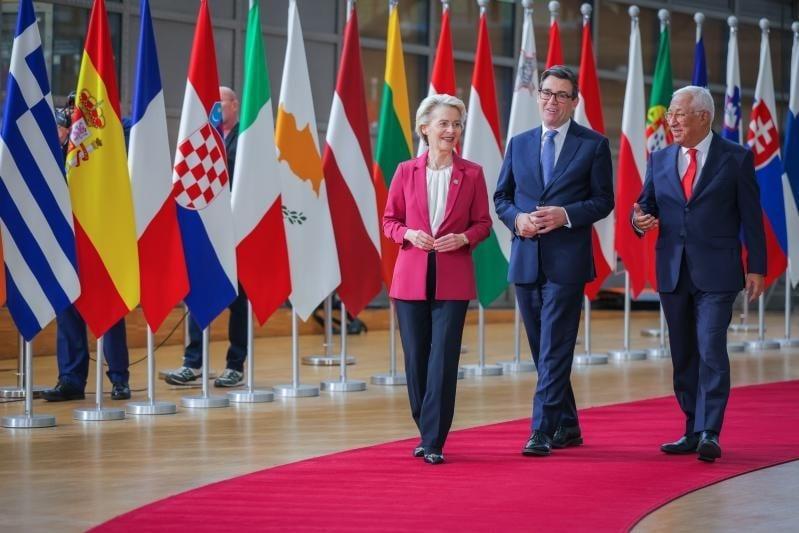
Commission President Ursula von der Leyen condemned the plot, expressed solidarity with Denmark and other countries facing Russian intelligence operations, and said a new European Security Strategy will be proposed soon.
The case already holds one result that matters most: police and intelligence officers stopped the attack before it happened. What Brussels decides next is whether one country's warning becomes a single rule for the whole Schengen Area.
From a Foiled Plot to Brussels
The Brief
Stay curious
AI and technology: what changes and why it matters.
Your daily selection, in English or Spanish.
Free forever. Unsubscribe anytime.
More stories


Conversation
Start the conversation