
 The Specialty News
Dragos Tracks 2 Million Canary Prompts, and OpenRouter Drops Three AI Providers
Metasploit creator HD Moore planted a one-time secret in each prompt for five months, and OpenRouter will now run the same check on its providers all the time.

For five months, Dragos fed about two million prompts to AI services, each one carrying a secret that existed nowhere else: a working AWS key, a hostname, a web address. Then it watched where those secrets turned up. This weekend OpenRouter, the marketplace that routes developers' requests to dozens of model hosts, off-boarded three providers and stripped 125 endpoints of their Zero Data Retention label. For anyone sending code, contracts or customer data to a model, the promise of who gets to read a prompt is finally being tested instead of taken on trust.
Two Million Secrets, Each Used Exactly Once
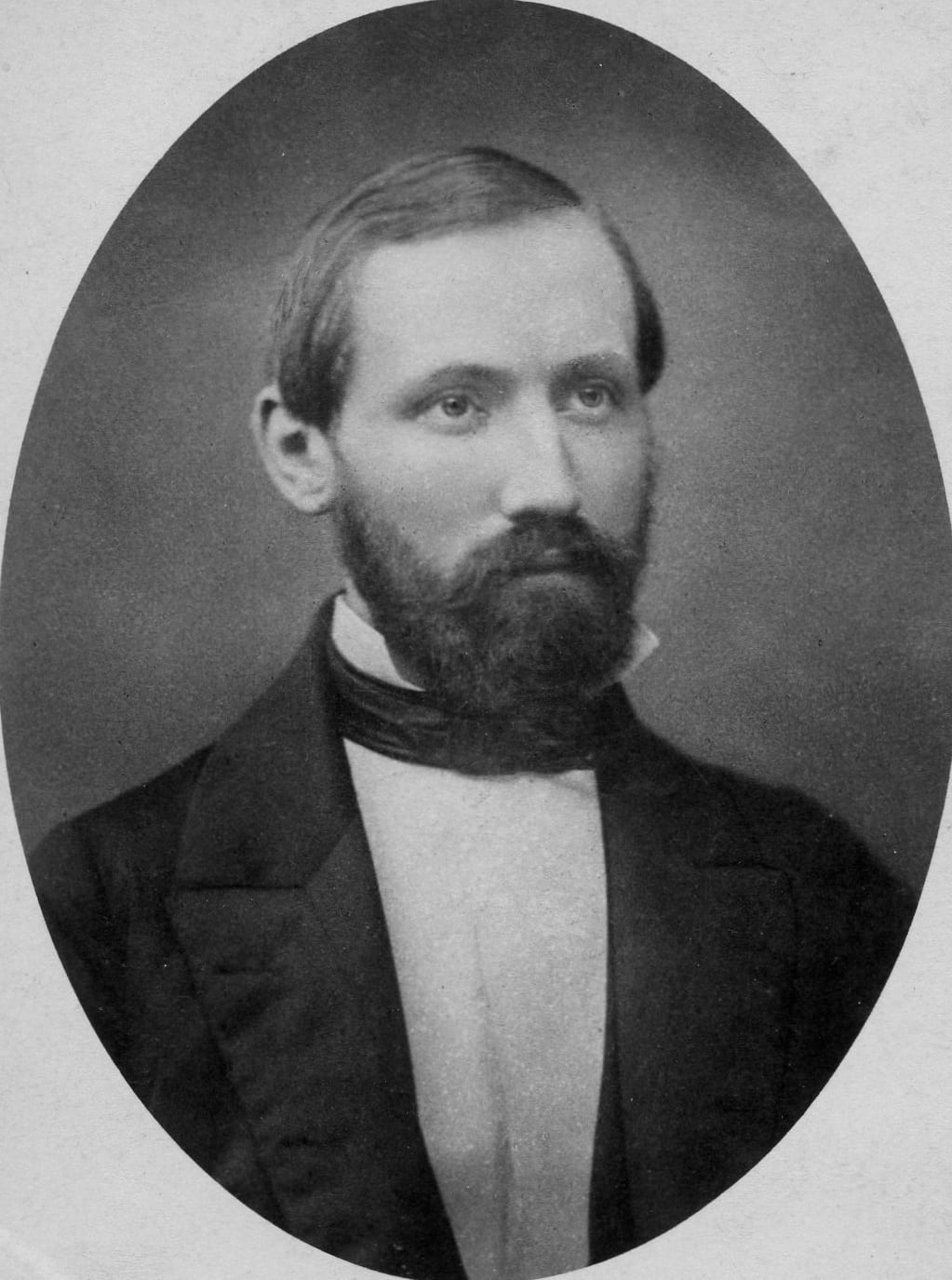
The experiment came from HD Moore, the researcher who created Metasploit, the penetration-testing toolkit a generation of security teams learned on, and who is now chief research officer at Dragos. The idea behind it is old and simple. A canary token is a credential or link that exists in exactly one place, so the moment anyone uses it, you know where it came from.
Moore's team scaled that trick to the AI supply chain. Every seeded request carried its own AWS key, DNS name and URL, all pointing back to Dragos. The AWS keys were real, tied to empty accounts with full logging, and each hit could be matched to the exact prompt, model, router and privacy setting that had carried it.
That is roughly one prompt every seven seconds, around the clock, from July to November. An image link inside each request also reported which machines fetched it, which let the team trace about 2,000 routes from customer to model. Most secrets stayed where they were sent. The ones that moved told a story.
Three Providers, a Feishu Chat and Five Canaries
The first incident came in mid-July. By November, Dragos had evidence that data from at least three AI hosting providers had been exposed. In the largest case, someone took a couple hundred of the planted AWS keys and used them for tens of thousands of API calls against accounts Dragos was watching.
Other findings involved no break-in at all. Several resellers on an inference marketplace could see and keep customer prompts through ordinary logging. One unnamed Chinese AI lab's systems fetched the secret URLs from more than half of the prompts sent to its models between July and October, including roughly two-thirds of the requests marked "no data collection" or Zero Data Retention. In one case, a secret link from a prompt was posted into a Feishu work chat 24 days later and opened from six devices in Beijing and Shanghai within two minutes.
“A privacy flag only binds the first hop.”— HD Moore
Together AI, one of the largest hosts of open models, published its own account on Saturday. Its CEO, Vipul Ved Prakash, wrote that an AI coding agent working on a public GitHub repository committed a credential to a private store of prompt samples from June and July. Automated scanning caught it and the commit was reverted, but an outside party had already used the credential to download the samples and test the keys inside them. Five of those keys were Dragos canaries, the exact kind of use the experiment was built to notice. So what happens now?
From One Experiment to a Standing Check
OpenRouter's response goes further than cutting ties. The company says it found no breach of OpenRouter itself and has notified every potentially affected customer. It is now adapting the researchers' method so it can run the same checks continuously, verifying network paths to spot providers that quietly forward requests to third parties, and requiring validation before any endpoint returns to the Zero Data Retention list. Some of the 125 were pulled as a precaution, not because of a confirmed problem.
"As we integrate similar testing techniques into OpenRouter, we will keep raising the bar, and providers that want to be on OpenRouter will need to meet it," the company wrote.
Together has made Zero Data Retention the default for new accounts, moved to short-lived credentials, checks every pull request for secrets and has updated its rules for AI coding agents. Novita and Phala have published incident notes of their own, and Dragos says it is now working with about a dozen providers.
For developers, Moore's advice is practical: host models yourself if you can afford it, otherwise go directly to a first-tier provider, pick a router's upstream hosts by hand and plant your own canary in the context your agents send. Until this month, a privacy setting in AI was a checkbox you trusted. Now there is a test for it, and the largest router just made passing it the price of admission.
Five Months From Canary to Cutoff
The Brief
Stay curious
AI and technology: what changes and why it matters.
Your daily selection, in English or Spanish.
Free forever. Unsubscribe anytime.
More stories




Conversation
Start the conversation