
 The Specialty News
UK Averages Record 16.5°C Summer as 40 Days of Heat Buckle Infrastructure
A 130-fold increase in climate risk has shifted the British heatwave from a weekend novelty to an attritional endurance test.
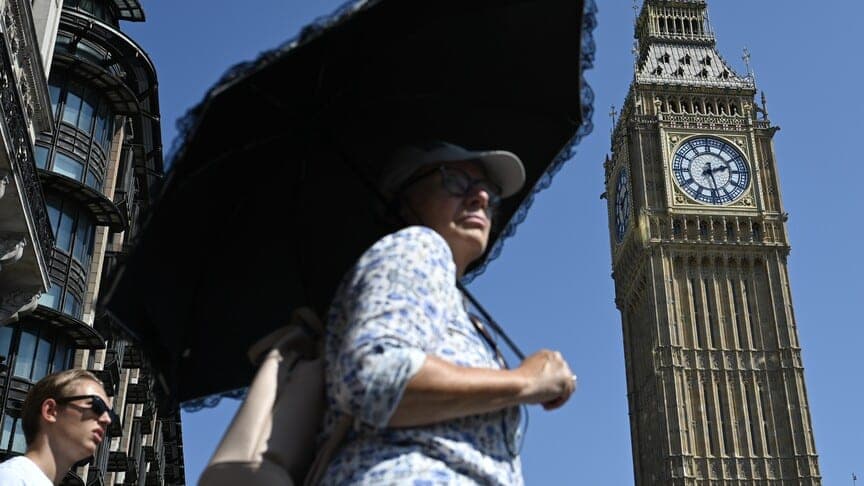
A full month after a July wildfire tore through Dunwich Heath in Suffolk, thermal cameras pointed at the dirt still registered underground temperatures above 65°C (149°F). The relentless summer heat had transformed the earth into a subterranean charcoal kiln, burning away peat and exposing unexploded World War II ordnance. Firefighters were forced to cordon off the baking soil just to keep locals safe from the ground they walked on. It was a visceral, physical manifestation of a climate that has breached its historical boundaries.
The Shift From Spikes to Endurance
For decades, British heatwaves were brief anomalies—a hot weekend that drove crowds to the coast before the inevitable rain returned. The summer of 2026 dismantled that pattern. The UK recorded a new mean average temperature of 16.5°C (61.7°F) across day and night, breaking a record set just twelve months prior.
Dr. Mark McCarthy, the Met Office’s head of climate attribution, calculated that a sustained seasonal average this high was made 130 times more likely by human-induced climate change. This data point fundamentally alters how meteorologists view European weather. The danger in 2026 wasn't just how hot it got, but how long it refused to cool down.
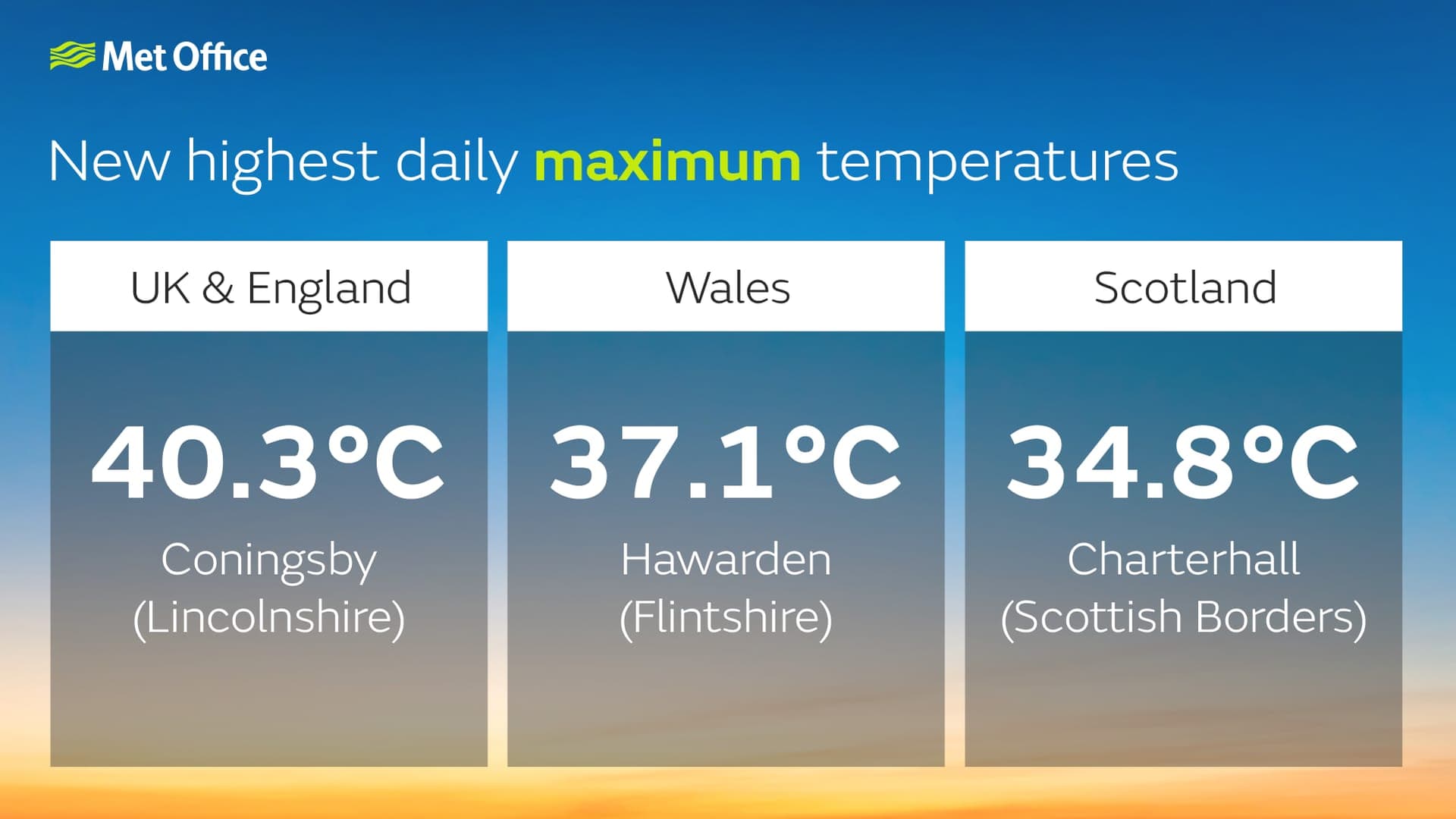
Climate skeptics have pointed to the summer of 2022, which saw an absolute single-day high of 40.3°C, to argue that 2026 wasn't a severe escalation since temperatures peaked at 38.1°C this August. But fixating on single-day peaks misses the mechanism of destruction. The real threat is attrition.
When the Thermos Becomes an Oven
British infrastructure is essentially designed to act like a thermos, trapping heat inside to keep occupants alive through cold, damp winters. Locked in 30°C heat for over a month, that design became a trap. West Midlands Railway was forced to suspend services because steel tracks physically buckled under the sustained solar radiation. Hospitals canceled appointments, schools shut their doors, and half of England was officially declared to be in a state of drought.
The crisis forced a global reckoning for climate researchers. For years, the prevailing anxiety in the wealthy West was that extreme weather would disproportionately ravage the global South.
“For years, whenever I thought deeply about climate change, one troubling thought stayed with me: Will this crisis ultimately consume Africa while the rest of the world watches from a comfortable distance? ... But today, something is changing before our eyes. The heat has crossed the border.”— Akwajire DonHenry Omang
That border crossing came with a devastating human toll, shifting the crisis from infrastructure damage to mass casualty management.
Counting the Cost of the New Normal
Across Europe, the back-to-back heatwaves were linked to at least 35,000 excess deaths. In the UK alone, nearly 3,000 fatalities were recorded just during the early waves in May and June. The heat proved fatal precisely because the population had no built environment to escape into, and no cool nights to offer physiological recovery.
For the scientific community, the records brought exhaustion rather than surprise. Taking to social media as the data was finalized, prominent climate scientist Prof. Bill McGuire offered a dry, exasperated reality check: "Well, this is a surprise - says no-one whatsoever." The numbers have been predicted for decades; the only variable was when the structural failures would begin.
With vast swaths of natural habitat reduced to tinderboxes and the government resorting to emergency nationwide mobile alerts to warn of unprecedented wildfire threats, the UK faces an immediate engineering crisis. The country must retrofit its homes, hospitals, and railways to withstand conditions they were never meant to see. The question is no longer whether the heat will break records, but how many billions it will cost to keep the country from breaking with it.
What people are saying

“🚨 NEW: The Met Office says summer 2026 was the warmest ever recorded in the UK”


“#WABAG - A perfect example of move from the important moving averages. Keep a watch for more such setups Join our WhatsApp community :”
UK Heat: Spikes to Endurance
The Brief
Stay curious
AI and technology: what changes and why it matters.
Your daily selection, in English or Spanish.
Free forever. Unsubscribe anytime.
More stories






Conversation
Start the conversation