
 The Specialty News
OpenAI GPT-5.4 Is The First Digital Employee That Actually Works
By mastering native computer navigation, this frontier model moves from chat window to the desktop office.
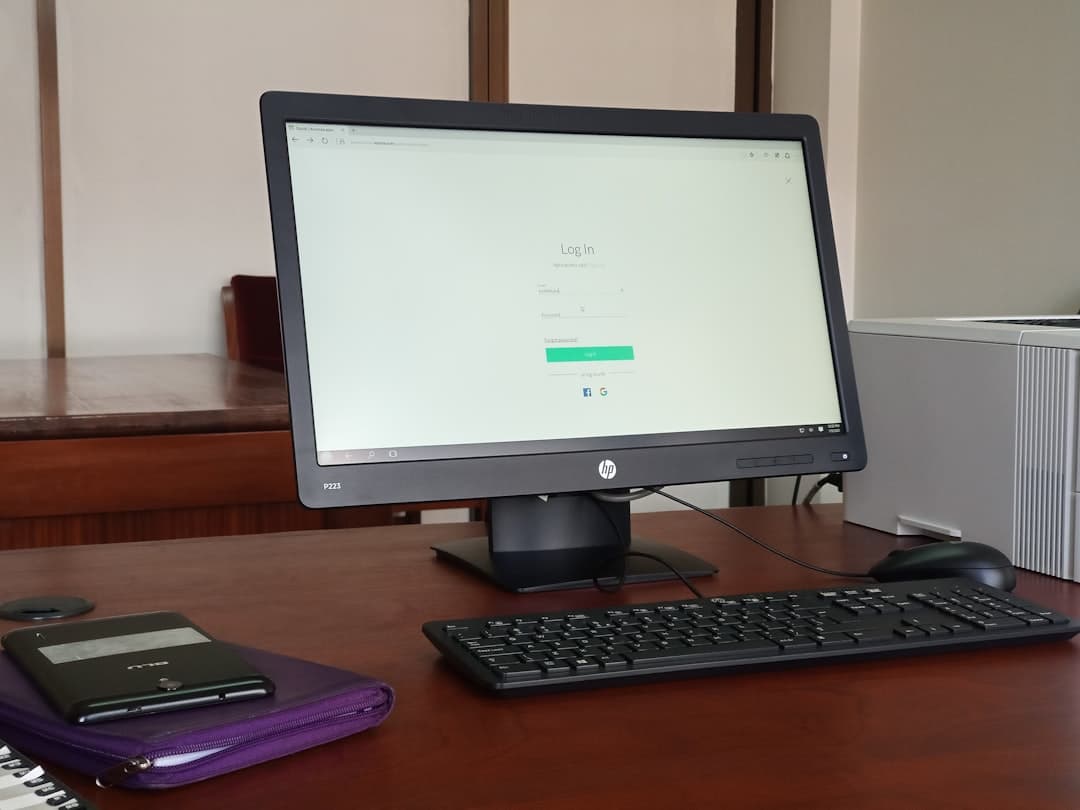
The era of the chatbot as a mere conversationalist is officially over. With the launch of GPT-5.4, OpenAI has debuted a model capable of native computer use—meaning it doesn't just draft emails or write code; it can actually see your screen, click your mouse, and operate your software just like a human colleague. In internal benchmarks, this model outperformed humans in 83% of professional tasks, including accounting, law, and financial analysis.
Beyond the Chatbox: From Text to Action
For years, interacting with AI felt like talking to a very smart, very static librarian. You asked, it answered, and then you did the heavy lifting of moving that information into your workflow. GPT-5.4 shatters that barrier by operating natively within the OSWorld-Verified environment. It doesn't need custom plugins or fragile API workarounds to interact with your desktop—it uses a mouse and keyboard interface to navigate browsers and applications directly.
This shift is akin to the leap from the command-line interface to the graphical user interface. By processing screenshots to understand complex GUI workflows, the model can execute multi-step processes like filling out specialized forms or debugging software environments. With an impressive 75% success rate on computer-use benchmarks—slightly edging out the human baseline of 72.4%—we are seeing the birth of the 'digital employee.'
The Strategic Mandate: Leverage or Labor
The most compelling feature of GPT-5.4 is its new 'Thinking' architecture. Users can now observe the model’s logical roadmap before it executes a single command, allowing for a 'human-in-the-loop' intervention that makes the agent more of a partner than a black box. With 33% fewer hallucinations and a massive 1 million token context window, the model is built to handle the deep, messy complexity of actual enterprise work.
“The future belongs to those who stop fighting the tool and start mastering the role of the operator.”
This technology presents a clear fork in the road for the modern professional. You can either be replaced by the market’s adoption of these tools or you can use them as extreme leverage to scale your own output. As these models become capable of handling routine, high-level professional tasks, the premium will shift away from mere task execution and toward the ability to direct, audit, and curate AI agents. The future belongs to those who stop fighting the tool and start mastering the role of the operator.
The Digital Employee Clocks In
The Brief
Stay curious
AI and technology: what changes and why it matters.
Your daily selection, in English or Spanish.
Free forever. Unsubscribe anytime.
More stories




Conversation
Start the conversation