
 The Specialty News
IMAX Captures 30% of Blockbuster Revenues — and Paralyzes Every Potential Buyer
At a $2 billion valuation, the theater giant is a rounding error for big tech, but acquiring the industry's neutral territory guarantees a studio war.
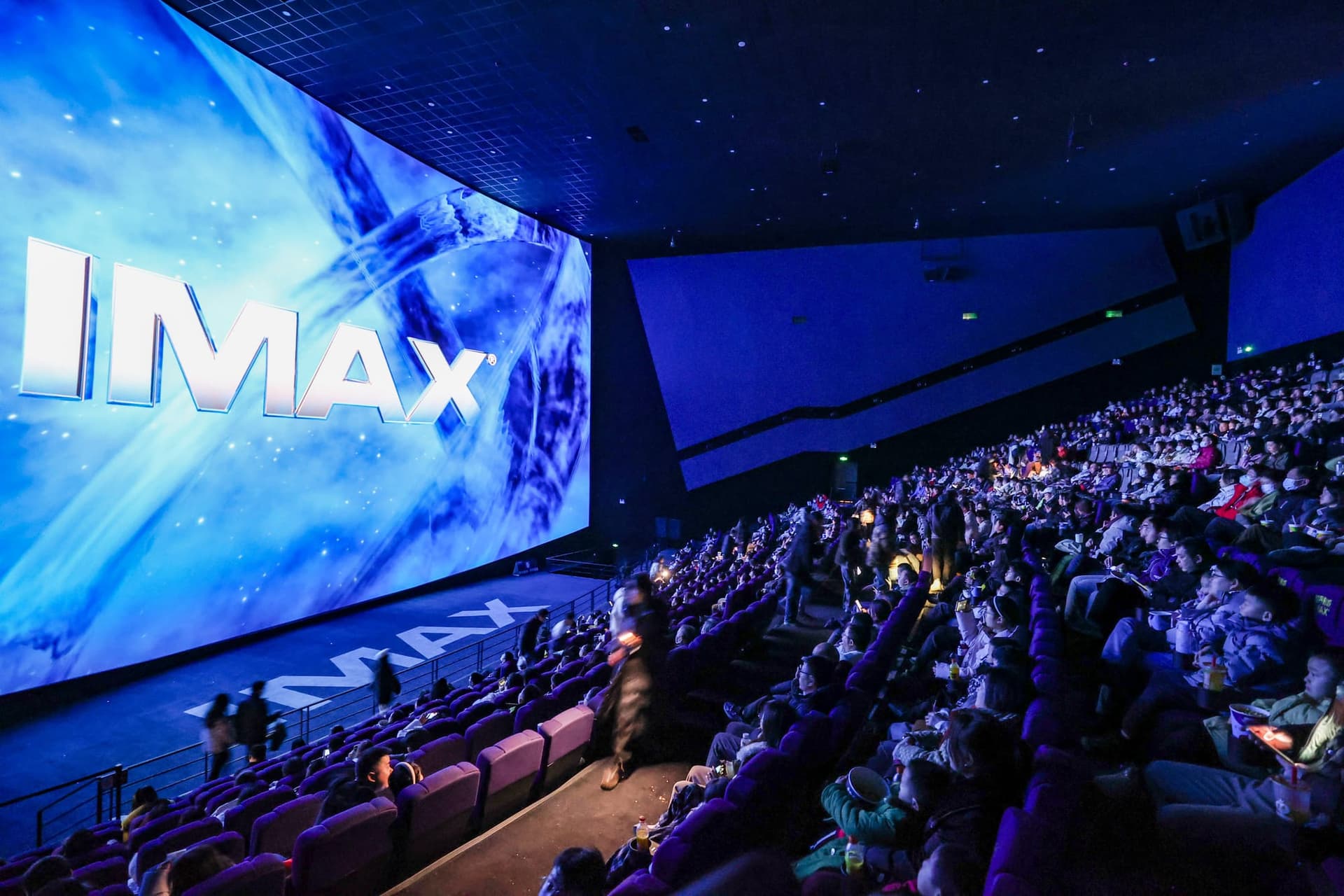
Out of the 200,000 movie screens spread across the globe, exactly 1,865 belong to IMAX. That microscopic 0.9 percent footprint routinely captures nearly a third of the total global box office for major tentpole releases. Following a record-shattering July 2026 fueled by Christopher Nolan’s latest epic, IMAX stock hit an all-time high above $50. CEO Rich Gelfond has clearly signaled the 50-year-old company is ready for a buyer, yet no formal offers have materialized.
The $2 Billion Rounding Error
Wall Street currently places the company's enterprise value at roughly $2 billion. That price tag is less than Netflix generates in free cash flow every two months. To technology giants like Apple or Amazon, buying the most prestigious theatrical pipeline in the world is highly affordable. For a traditional studio, it represents a relatively cheap way to capture the only high-margin sector of the theatrical business that is actively growing.
Since Gelfond acquired the company in a 1994 leveraged buyout, he has transformed IMAX from a quirky museum attraction into Hollywood's primary profit engine. After returning from a medical leave for pneumonia early in 2026, he hired intermediaries to quietly test the acquisition waters. The product is perfect, the stock is peaking, and the price is a bargain.
Moviegoers are now happily paying $20 to $50 for a ticket, provided the screen is massive and the sound physically shakes their seats. Nolan's completely 70mm-shot hit, The Odyssey, crossed $400 million in IMAX revenue alone, proving the format is the vital lifeline keeping event cinema profitable. But the basic math of a buyout collides with a fatal structural flaw.
Hollywood's Neutral Territory

IMAX operates an asset-light licensing model. The company partners with major theater chains like AMC and Regal to construct the physical auditoriums, then works with every major studio to supply the films. This absolute neutrality is the core of its business, and the very thing a buyer would instantly destroy.
“The other studios would always feel they're second in line.”— Eric Wold
If Sony purchases IMAX, the entire industry dynamic instantly fractures. Universal is not going to shoot its next tentpole feature on custom IMAX cameras if executives suspect Sony will give its own films preferential release windows. If Apple or Amazon buys the company to showcase their streaming originals, traditional studios will pull their content, leaving those massive screens dark for months at a time.
An acquisition meant to secure a crown jewel instead turns it into a hostile border. This deep paranoia among competitors leaves only one other obvious class of buyer, but that introduces an entirely different kind of risk.
The Private Equity Trap
A private equity firm like Apollo or KKR could theoretically purchase IMAX without triggering studio warfare. Because these financial firms lack rival film slates, they could preserve the company's status as an independent partner to all of Hollywood.
However, private equity thrives on aggressive cost-cutting to squeeze out margins. The premium that IMAX commands relies entirely on fanatical quality control, intensive research and development, and custom-built projection technology. Slashing those operational budgets to satisfy a buyout debt load would rapidly degrade the exact standard that convinces a moviegoer to pay double the standard ticket price.
IMAX has built a perfect machine that functions only as long as everyone gets an equal turn at the controls. The company is too integrated to be owned by a participant, and too specialized to be stripped for parts by an outsider. In modern Hollywood, the ultimate prize is a battlefield that nobody is allowed to conquer.
What people are saying


“SALE IMAGE: Michael Kamara DATE: 08/21/2026 ADDRESS: 1023 South Bedford Street MARKET: Los Angeles ASSET TYPE: Multifamily BUYER: Michael Berg SELLER: Wayne Shaphran BROKER: Michael Kamara - The Kamara Multifamily Group SALE PRICE: $1,550,000 UNITS: 6 ~ PPU: $258,333 SF:”
The $2B IMAX Acquisition Trap
The Brief
Stay curious
AI and technology: what changes and why it matters.
Your daily selection, in English or Spanish.
Free forever. Unsubscribe anytime.
More stories




Conversation
Start the conversation