
 The Specialty News
Keefe D Sold the Story of Tupac's Murder — and Handed Prosecutors a Conviction
It took 10,951 days to bring a suspect to trial, but only three hours for a Las Vegas jury to close hip-hop's most infamous ghost story.
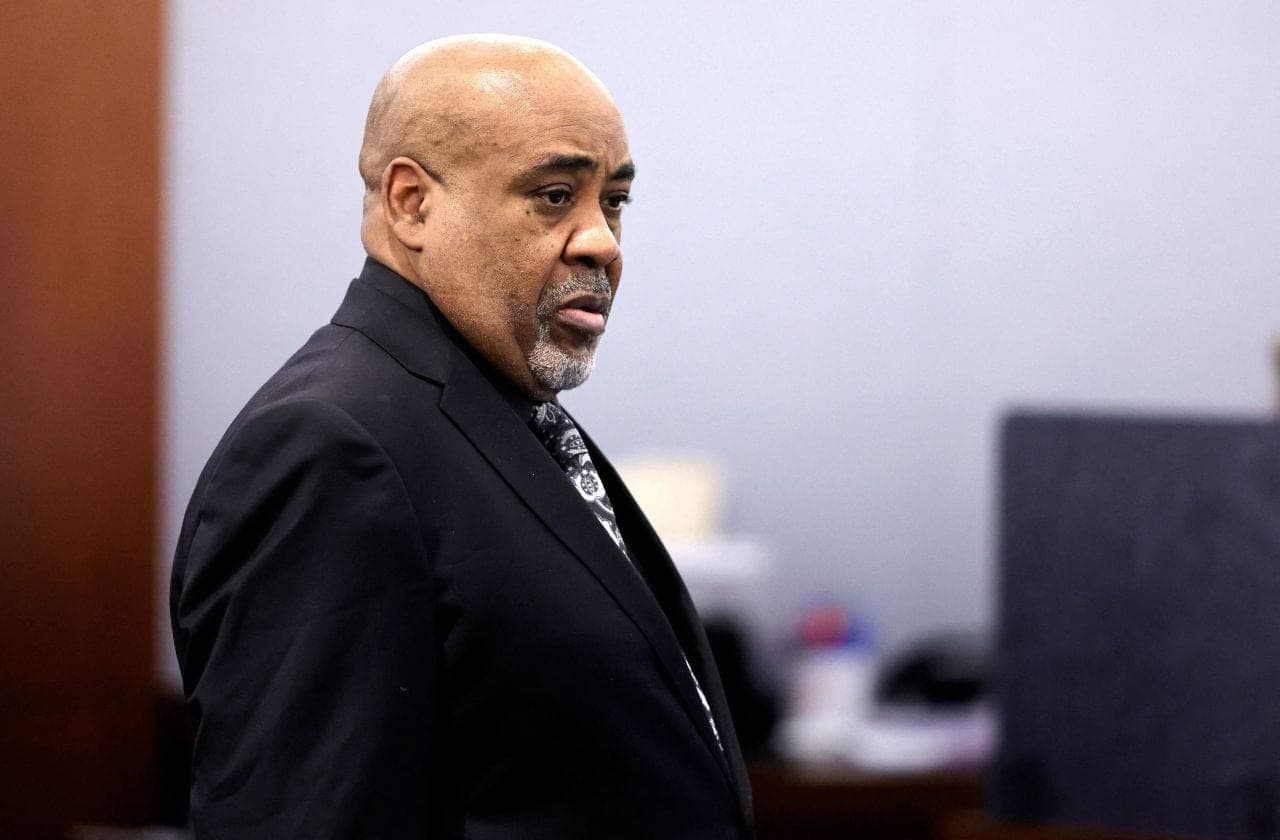
The man who orchestrated the 1996 murder of Tupac Shakur was not caught by forensic evidence, a wiretap, or a rival informant. He was caught by his own vanity. Duane "Keefe D" Davis literally wrote the book on how he organized the drive-by shooting, keeping a personal scrapbook of newspaper clippings about the 25-year-old rap icon's death. After getting away with music history's highest-profile unsolved murder for decades, his own true-crime media tour handed prosecutors everything they needed to convict him.
The Weight of 10,951 Days
It took exactly 10,951 days from the September 1996 shooting near the Las Vegas Strip to bring a suspect to trial. During that time, the killing mutated from a brutal reality into an industry ghost story, spawning endless theories about authorities who either could not or would not solve it. For the family, it meant a generation of deferred closure. As Shakur's cousin Zayd Akinyela told reporters outside the courtroom, grieving properly requires understanding exactly what happened and how.
The trial itself moved with whiplash speed compared to the three-decade wait. Clark County prosecutors Marc DiGiacomo and Binu Palal did not need to hunt down new witnesses to secure a conviction. They simply presented the jury with Davis's 2019 self-published memoir, "Compton Street Legend," and his interviews from a BET documentary. Through his own words, Davis detailed how he acquired a firearm, assembled a crew, and went hunting for Shakur in retaliation for a casino lobby brawl earlier that night involving his nephew, Orlando Anderson.
“This guy's scrapbooking his murder, for God's sake.”— Prosecutor Marc DiGiacomo
Faced with a defendant who had aggressively publicized his own guilt, the 12-person jury needed under three hours to return a verdict of first-degree murder with a deadly weapon. But Davis's attorneys argued the entire trial was built on a modern phenomenon: monetized fiction.
The Proffer Miscalculation
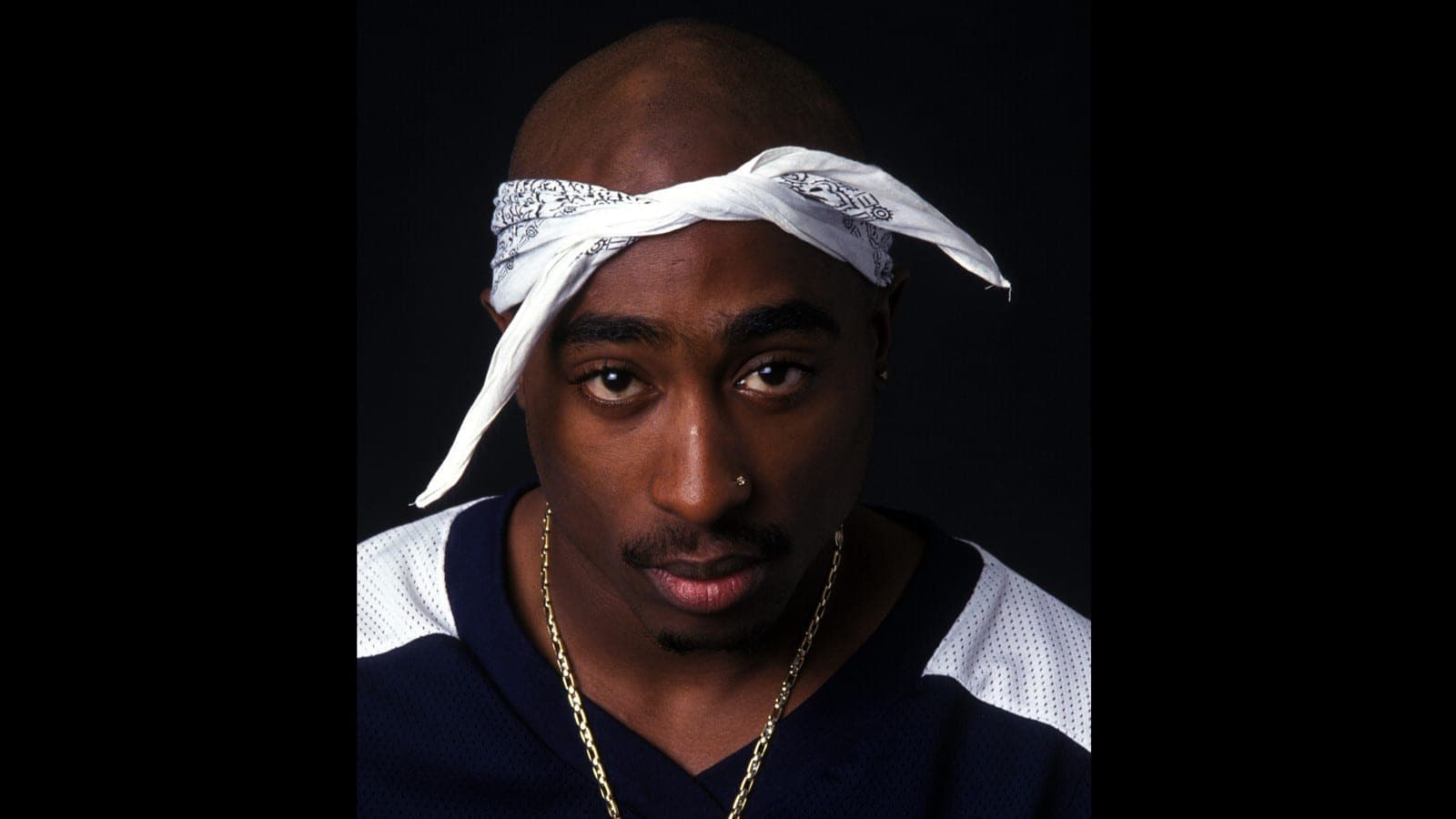
Defense attorney Michael Sanft's only viable strategy was to portray his 63-year-old client as a serial liar. The defense argued that Davis's boasts were entirely fabricated, a desperate attempt to cash in on the lucrative true-crime media circuit. To support this, they pointed to the memoir's ghostwriter, Yusuf Jha, who testified that he ad-libbed portions of the book and doubted Davis had even read the final manuscript.
This defense highlighted a severe miscalculation by the former gang leader regarding his legal standing. In 2008, Davis gave a confidential police interview about the hit under a proffer agreement, which granted him immunity for what he shared in that specific room. He operated under the false assumption that this protection was a lifelong, blanket shield.
By taking his story to the public sphere to sell books and television rights, Davis voided his immunity entirely. The state drew a stark legal boundary, proving that the protections of a police cooperation agreement do not extend to commercial media tours. Now, Davis faces an October 2026 sentencing where any heavy prison term will effectively serve as a life sentence.
The Boundary of Clout
The conviction closes a traumatic chapter in American music, stripping away the mythology that surrounded Shakur's final night in a black BMW. It replaces decades of speculation with a documented reality of retaliation.
More broadly, the verdict establishes a permanent legal consequence for the monetization of past crimes. The true-crime boom has incentivized former gang members and cartel operatives to build lucrative personal brands around their historic misdeeds. Davis pushed that model to its absolute limit, betting that time and public fascination had made him untouchable.
He was wrong. The swift verdict in Las Vegas proves that clout-chasing has a statute of limitations, but murder does not.
What people are saying

“🚨 BREAKING: Duane "Keefe D" Davis found guilty in the m*rder of Tupac Shakur”

“BREAKING: Duane "Keefe D" Davis found guilty for the 1996 killing of Tupac Shakur”
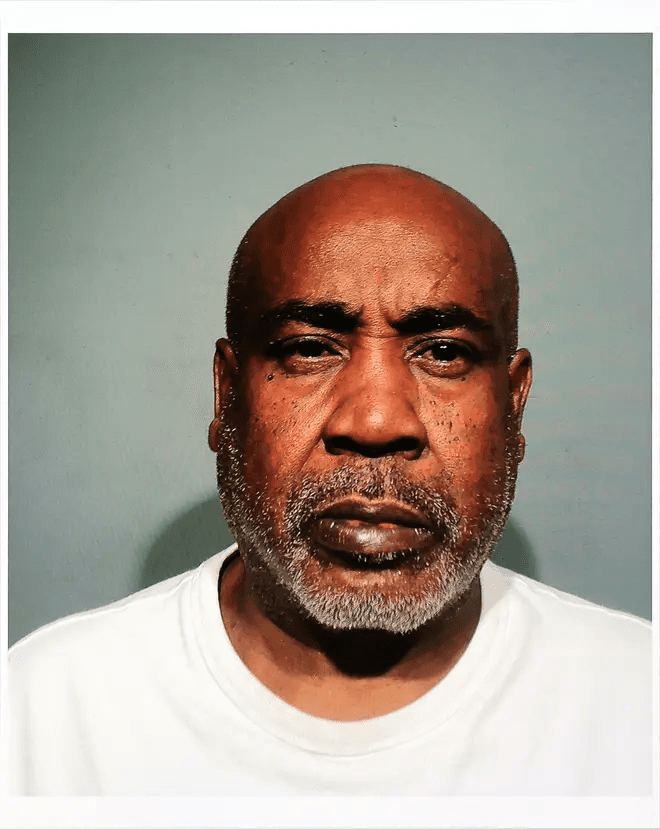

“LAS VEGAS (AP) — A jury convicts Duane ‘Keffe D’ Davis of first-degree murder in orchestrating the 1996 killing of rap icon Tupac Shakur.”
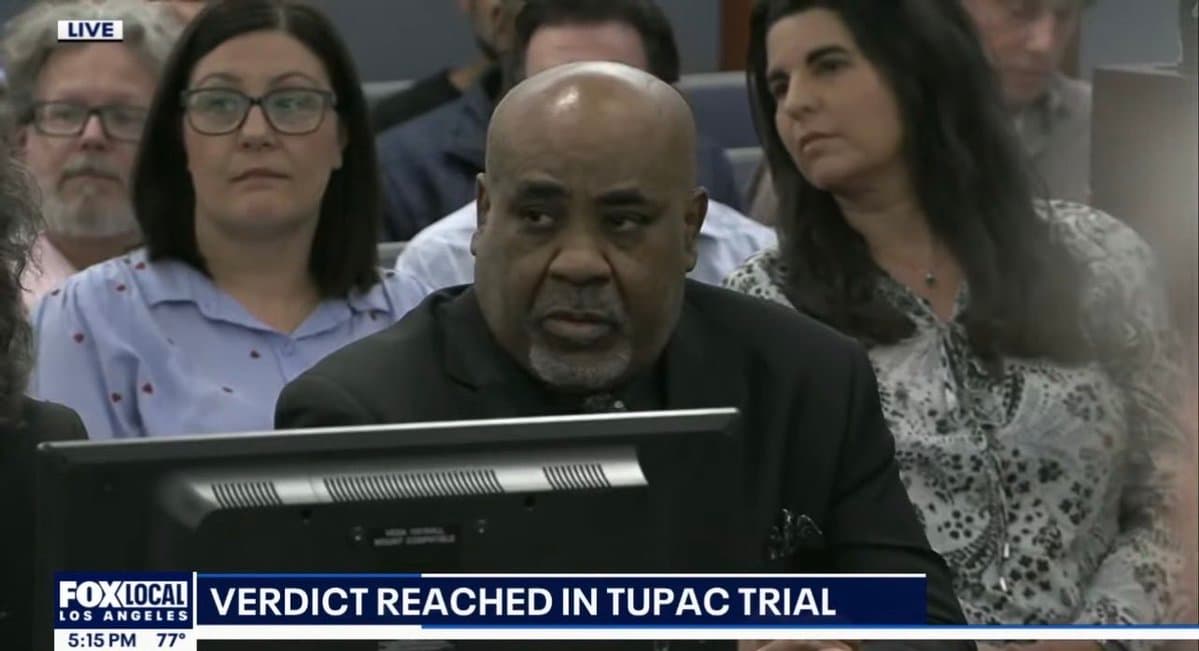
How Keefe D Scrapbooked His Conviction
The Brief
Stay curious
AI and technology: what changes and why it matters.
Your daily selection, in English or Spanish.
Free forever. Unsubscribe anytime.
More stories





Conversation
Start the conversation