
 The Specialty News
Trump Jr. Backs Polymarket in $1B Mega-Round, Sparking a $21B War on Polling
Four years after being banished for illegal gambling, the prediction market is now backed by the federal government—and the President's son.

Four years ago, the Commodity Futures Trading Commission banished Polymarket from the United States for running an illegal gambling ring. Today, the Trump-appointed head of that exact same federal agency is suing individual states to protect the platform's right to operate. The catalyst for this spectacular regulatory reversal is 1789 Capital, the venture firm where Donald Trump Jr. serves as a partner, which just led a massive $1 billion funding round to cement Polymarket as the new arbiter of American truth.
The $21 Billion Reversal
1789 Capital is injecting $300 million of its own funds into Polymarket, adding to a previous $200 million stake. The new capital vaults the prediction market to a massive $21 billion valuation. That makes a four-year-old crypto startup worth more than the entire market capitalization of Fox Corporation, built entirely on people trading on the news rather than reading it.
The platform’s 28-year-old founder, Shayne Coplan, wrote the initial code alone in his Lower East Side apartment during the 2020 lockdowns. Now, he shares a cap table with traditional finance titans like Intercontinental Exchange. The parent company of the NYSE currently holds a 22% stake in the business. The goal extends beyond capturing fees on election cycles. Coplan and his backers view prediction platforms as the ultimate replacement for legacy polling operations.
But buying influence in the prediction market economy has created an extraordinarily bizarre corporate conflict for the President's son.
The Two-Front War
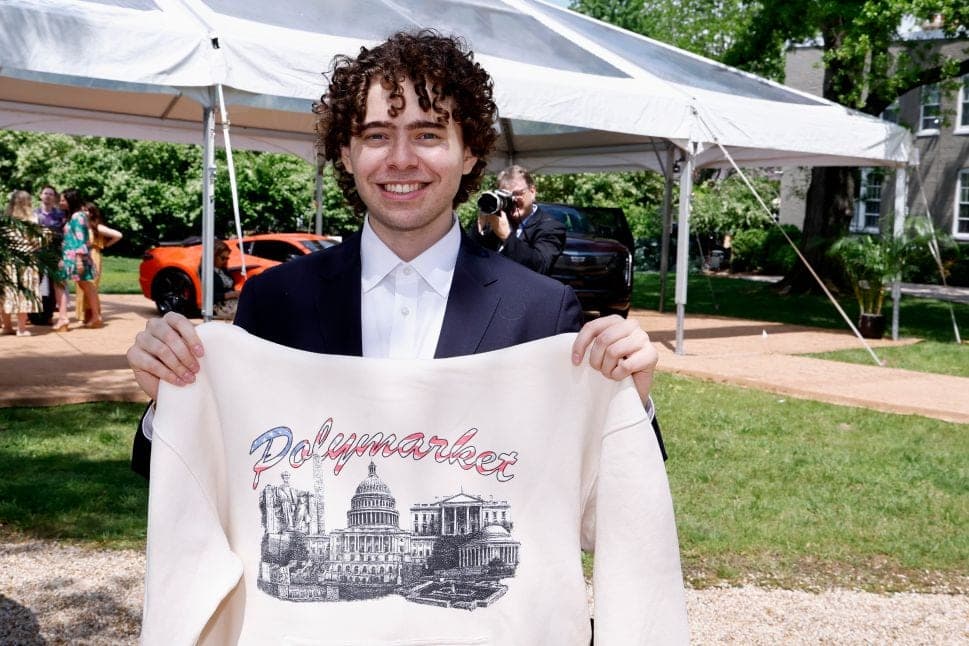
In a highly unusual arrangement, Trump Jr. simultaneously sits on the advisory boards of both Polymarket and its fiercest rival, Kalshi. Together, the two platforms are locked in a $40 billion arms race to dominate the emerging parallel financial sector. Kalshi completed its own financing round at a $22 billion valuation in May 2026, leaving observers wondering how long Trump Jr. can straddle the divide before being forced to pick a side.
For 1789 Capital founder Omeed Malik, throwing billions at these markets is a direct assault on traditional information gatekeepers. Investors are aggressively funding the thesis that markets are far better at discovering the truth than journalists or pollsters.
“Polymarket cuts through media spin and so-called 'expert' opinion by letting people bet on what they actually believe will happen in the world.”— Donald Trump Jr.
By replacing pundits with price discovery, Coplan and his allies believe they have engineered a permanent cure for media spin. Yet the pure, theoretical ideal of perfectly crowdsourced truth is colliding violently with the reality of human behavior.
Betting on the Apocalypse
Users are no longer just predicting mundane economic indicators. Millions of dollars are currently wagered on active warzones, including the exact dates Ukrainian cities might fall or whether foreign nations will test nuclear weapons. This morbid reality has prompted lawmakers like Senator Chris Murphy to introduce the "DEATH BETS Act," aimed at shutting down the practice entirely.
The pushback has triggered a complex constitutional showdown. States like Illinois and Connecticut are attempting to classify the platforms as unregulated sportsbooks, seeking to ban them under local gambling laws. In response, CFTC Chair Mike Selig has weaponized federal authority, filing lawsuits against the states to assert that prediction markets are federally protected swap contracts.
The courts will soon decide whether trading on geopolitical disaster is a protected financial innovation or simply an illegal casino. Either way, legacy media spent decades telling the public what to think. Now, Wall Street is spending billions to let them bet on it.
What people are saying

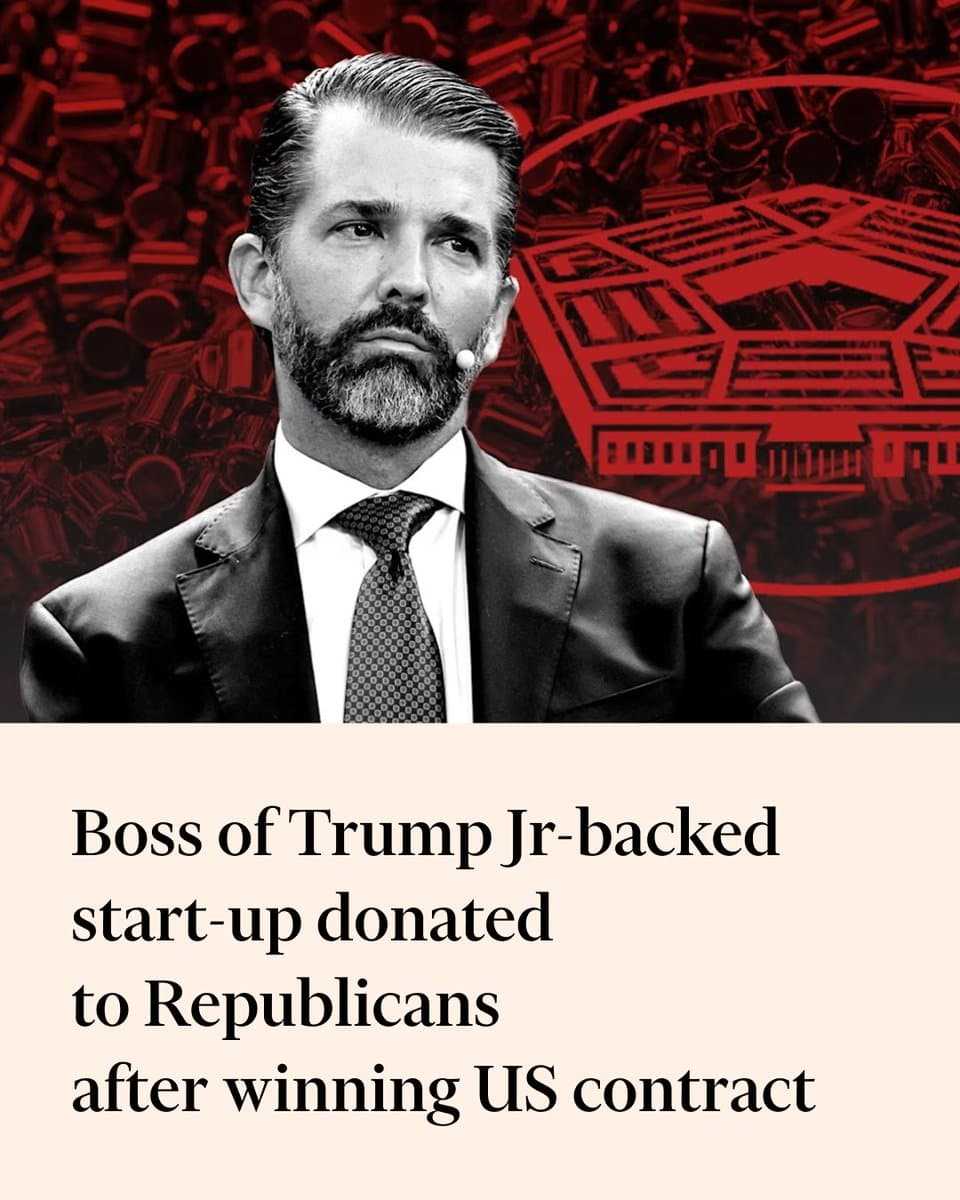
“Boss of Trump Jr-backed start-up donated to Republicans after winning US contract”

“The boss of a defence manufacturing start-up backed by Donald Trump Jr’s investment firm donated almost $450,000 to Republican causes just months after winning a $900mn contract from the US government.”

“JUST IN: Support for data centers jumps a net 31 points after voters are told modern facilities can reuse the same cooling water for up to 10 years, new poll finds.”
Polymarket's $21B Washington Reversal
The Brief
Stay curious
AI and technology: what changes and why it matters.
Your daily selection, in English or Spanish.
Free forever. Unsubscribe anytime.
More stories






Conversation
Start the conversation