
 The Specialty News
DeepMind Pre-Computes 9 Billion DNA Typos, Turning Genetics Into a Search Query
The 1-petabyte AlphaGenome Atlas replaces slow lab work with a simple score, but leaves drug companies entirely reliant on Google's cloud.
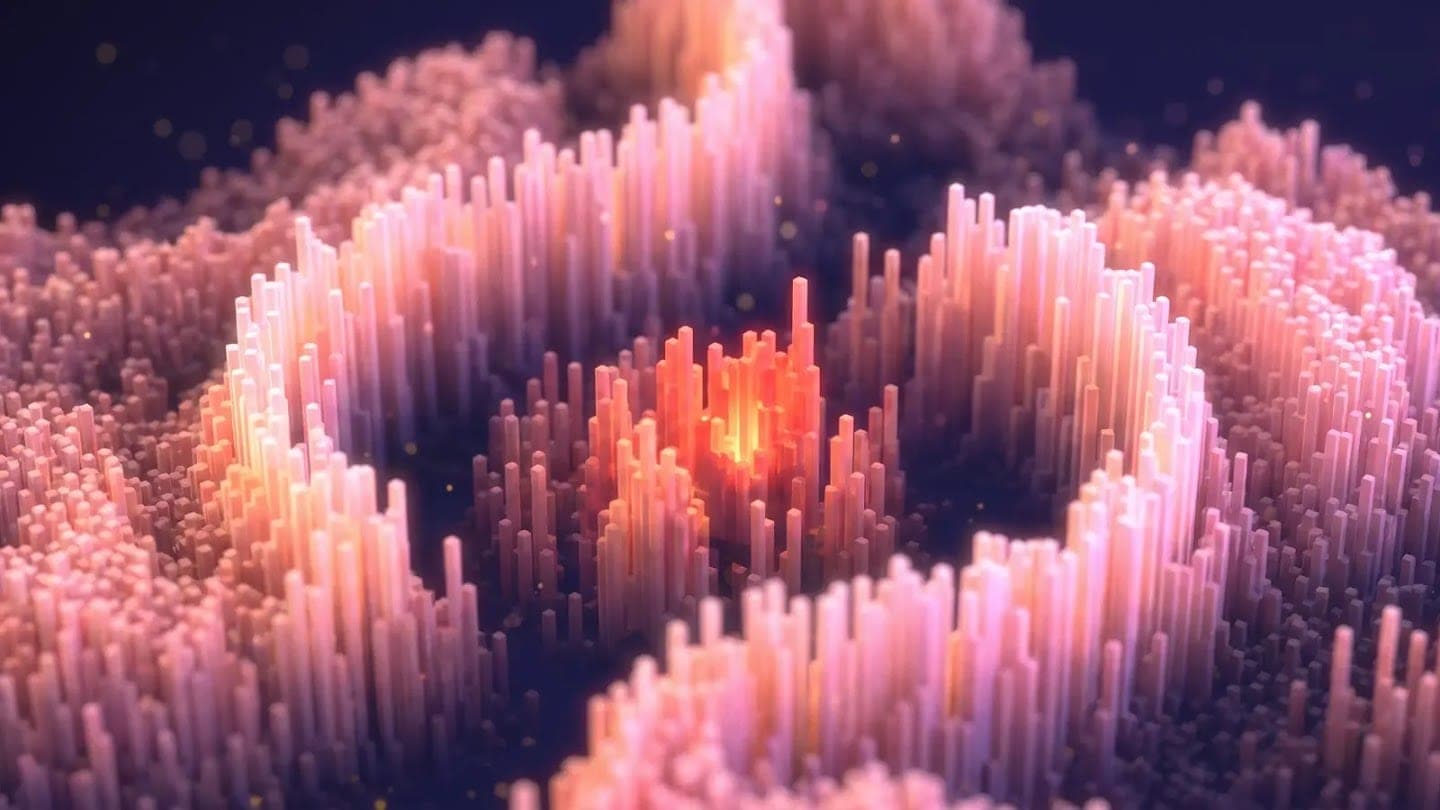
Google DeepMind just preemptively predicted the biological impact of every single possible one-letter typo that could ever occur in human DNA. Instead of forcing scientists to run models on the fly when they encounter a mystery variant, the company pre-computed all 9 billion possible mutations. The result is a massive, searchable lookup table for human biology.
The 1-Petabyte Dictionary
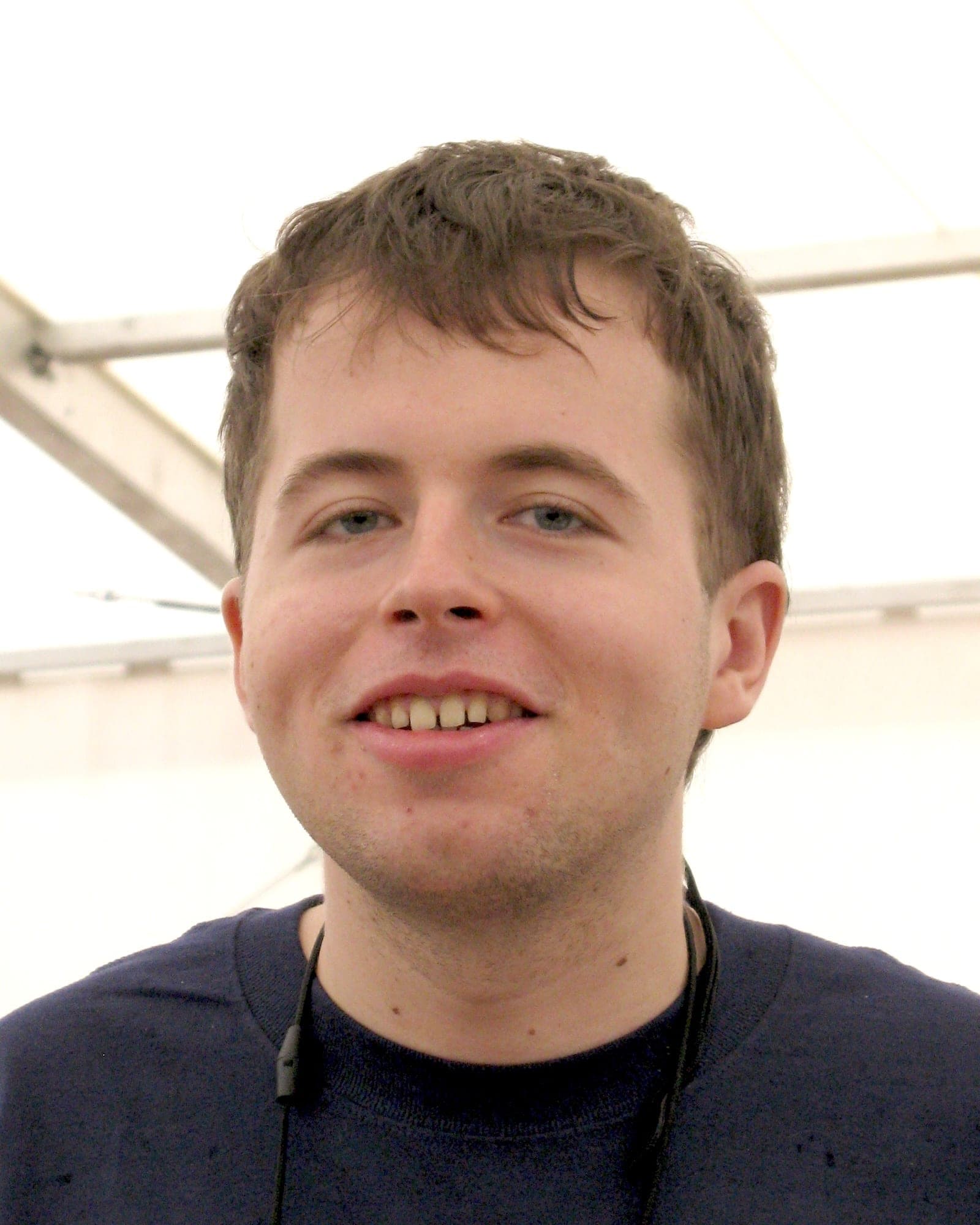
Žiga Avsec, DeepMind’s Genomics Initiative Lead, watched geneticists lose weeks writing code just to test individual variants. He wanted to remove the bottleneck entirely. His team took the AlphaGenome AI, which translates genetic sequences into predicted biological functions, and ran it across every single-nucleotide variant possible.
That output is exceptionally heavy. It is 30 times larger than DeepMind’s AlphaFold Database, which already contained the physical structure of practically every known protein on Earth. Investigator Julia Zeitlinger and her team at the Stowers Institute helped translate this data dump into mapped motifs.
They effectively turned the 98 percent of our DNA that does not code for proteins into a readable dictionary. But a map is only useful if it leads to actual discoveries.
Finding the Cryptic Splice
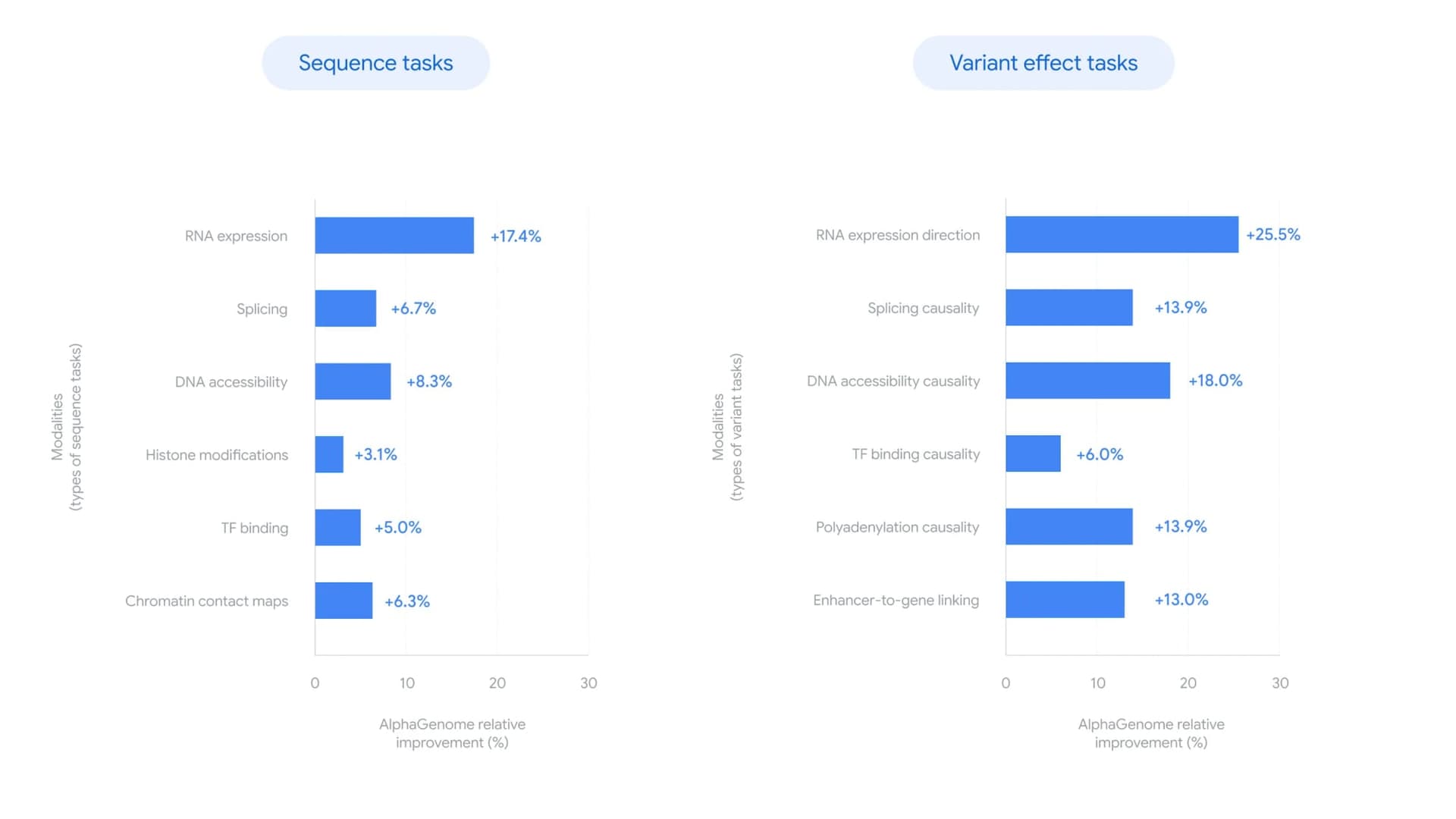
For clinical researchers, finding a disease-causing mutation in non-coding DNA historically felt indistinguishable from random statistical noise. DeepMind solved this with the AlphaGenome Variant Impact score. This single metric collapses complex biological processes like RNA splicing into one clean threat-level number.
When Broad Institute researchers Laura Covill and Anne O'Donnell-Luria took early access to the Atlas, they pointed it at their unsolved rare disease cases. Almost immediately, the scoring system flagged a previously overlooked deep intronic variant in the DNM1 gene. The database proved the typo created a cryptic splice site causing epileptic encephalopathy, with no coding required from the scientists.
“Having these motifs mapped at base-pair resolution across the genome and in many cell types gives us a searchable dictionary for non-coding DNA.”— Julia Zeitlinger
Yet, hosting a database of this magnitude creates an entirely new kind of scientific dependency.
The Cloud Tax on Biology
A one-petabyte database is impossible for an independent hospital or university lab to download and host locally. By sheer physical necessity, the global scientific community is now reliant on Google's cloud infrastructure to query this genetic data.
While DeepMind offers the web portal for free to non-commercial academic research, enterprise and pharmaceutical access remains gated. The pricing structure for drug discovery companies remains a closely guarded question. This sets up a reality where the fastest route to new medicine runs straight through Google servers.
Skeptics and DeepMind themselves point out that AI predictions are not clinical diagnoses. The Atlas is an experimental compass. Physical laboratories must still run slow, rigorous tests to confirm the AI’s findings. The map of human vulnerability is finally drawn. Now biology just has to navigate it.
What people are saying

“We’re launching AlphaGenome Atlas: an AI-powered searchable database mapping the predicted impact of all 9 billion possible single-letter DNA changes. Here’s how it could help researchers better understand our biology 🧵”

“SITUATION DETECTED: Google DeepMind announced AlphaGenome Atlas, a 1-petabyte map of predicted molecular effects for all 9 billion possible single-letter DNA changes in the human genome.”

“Amazingly, AlphaGenome Atlas lets scientists predict the effects of every possible single-nucleotide variant in the human genome. That will super-charge the pace of biological discovery.”
Genetics Becomes A Cloud Search
The Brief
Stay curious
AI and technology: what changes and why it matters.
Your daily selection, in English or Spanish.
Free forever. Unsubscribe anytime.
More stories
Conversation
Start the conversation