
 The Specialty News
COP31 Ends Without a Deal After a Record 44 Hours of Overtime
The EU, Panama and the Marshall Islands refused a 12-page text that never named fossil fuels, three years after nearly every nation agreed in Dubai to transition away from them.
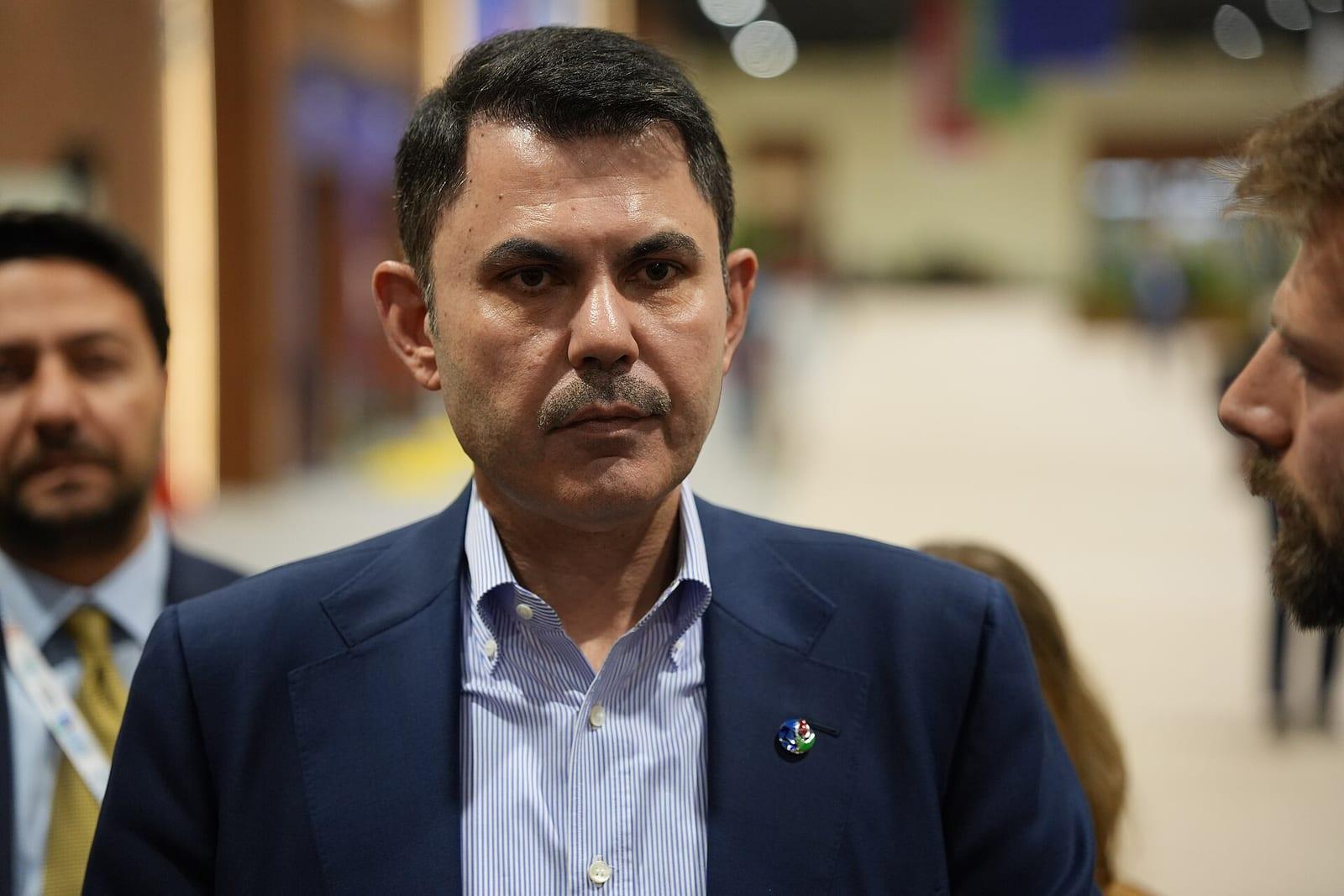
Forty-four hours after the UN climate summit in Antalya was supposed to end, Turkey's Murat Kurum told the closing plenary that its main decisions had not been adopted. The European Union, Panama and the Marshall Islands, among others, had refused a final text that did not mention fossil fuels. COP31 is now the longest UN climate conference on record, and it ends without the overarching agreement that delegates from 196 countries and the EU came to write.
Forty-Four Hours Past the Deadline
The conference opened on November 9 and was due to close on Friday, November 20. Instead, negotiators kept working through Saturday and into Sunday, when the presidency released one more draft. It was 12 pages long, according to NBC News, and it did not name fossil fuels.
The objections came quickly. Ireland's climate minister Darragh O'Brien, speaking for the rotating EU presidency, said the bloc strongly objected. Panama formally objected, and the Marshall Islands, Vanuatu and Belize also rejected the text, AFP reported. Under UN climate rules, a decision passes only if every country accepts it.
Kurum, Turkey's environment minister and the COP31 president, accepted the result from the podium. "I understand that there is no agreement on this text. For that reason, these decisions have not been adopted," he said. NBC reported that he would not produce another draft. How did a text end up without the words that the previous agreements had used?
Six Mentions, Then None
The first draft of the week named "fossil fuel" or "fossil fuels" six times, NBC reported. A slimmer version released on Thursday removed every mention. The final text kept only an oblique line "recalling the United Arab Emirates Consensus in its entirety", a reference to COP28 in Dubai, where in 2023 countries agreed to transition away from fossil fuels in energy systems.
For the countries that said no, an oblique reference was not enough.
“We will not endorse a cover decision, or an Antalya Pact, that does not even mention fossil fuels.”— Darragh O'Brien
Kathy Jetnil-Kijiner, climate envoy of the Marshall Islands, put it in her country's terms: "We will not compromise our future to benefit fossil fuel interests." On the other side, Saudi Arabia's Mohammad Ayoub, speaking for the Arab Group, argued that "climate change requires all solutions on the table." Australia's Chris Bowen, who led the negotiations alongside Turkey as host, described the split as "unbridgeable red lines".
The text carried other disputes too. Developing nations were angered by the removal of a $120 billion target for climate adaptation, AFP reported. And it included a goal that many delegations supported: raising electricity's share of total final energy consumption to 35% by 2035.
What Still Stands, and Where Talks Go Next
No decision adopted in Antalya replaces the ones adopted before it. The Dubai text on transitioning away from fossil fuels remains on the record, and the countries that blocked the Antalya draft did so precisely to avoid a weaker one. UN Secretary-General António Guterres said on X that he was "deeply disappointed that COP31 has ended without consensus on an overarching outcome."
The unadopted work does not disappear. According to NBC, Kurum can convene a follow-up meeting or carry the open decisions to next year's conference, which Ethiopia will host. The 35% electricity goal and the adaptation finance numbers are now drafted, debated and ready to be picked up there.
The lesson from Antalya is a plain one about consensus. Nearly 200 nations spent two weeks and two extra days on a single text, and enough of them decided that no agreement was better than one that left out the main source of emissions. The next round starts with that line already drawn.
Two Weeks, Then 44 Extra Hours
The Brief
Stay curious
AI and technology: what changes and why it matters.
Your daily selection, in English or Spanish.
Free forever. Unsubscribe anytime.
More stories


Conversation
Start the conversation