
 The Specialty News
Japan's Yen Breaks 160, and Bitcoin Becomes a Hostage to Washington's Currency War
U.S. Treasury Secretary Scott Bessent is fighting to stabilize the Yen before a massive global margin call liquidates the crypto market.

The most arresting fact behind Bitcoin’s current $78,000 price ceiling isn’t a new regulatory framework or a blockchain upgrade—it’s that U.S. Treasury Secretary Scott Bessent was recently forced to quietly sell billions in Euros to buy Japanese currency. He made the move to prevent Japan from dumping its $1.1 trillion U.S. Treasury stockpile to defend the collapsing Yen. Bitcoin has officially stopped trading on crypto fundamentals and is now a hostage in a massive geopolitical currency war.
The 160 Margin Call
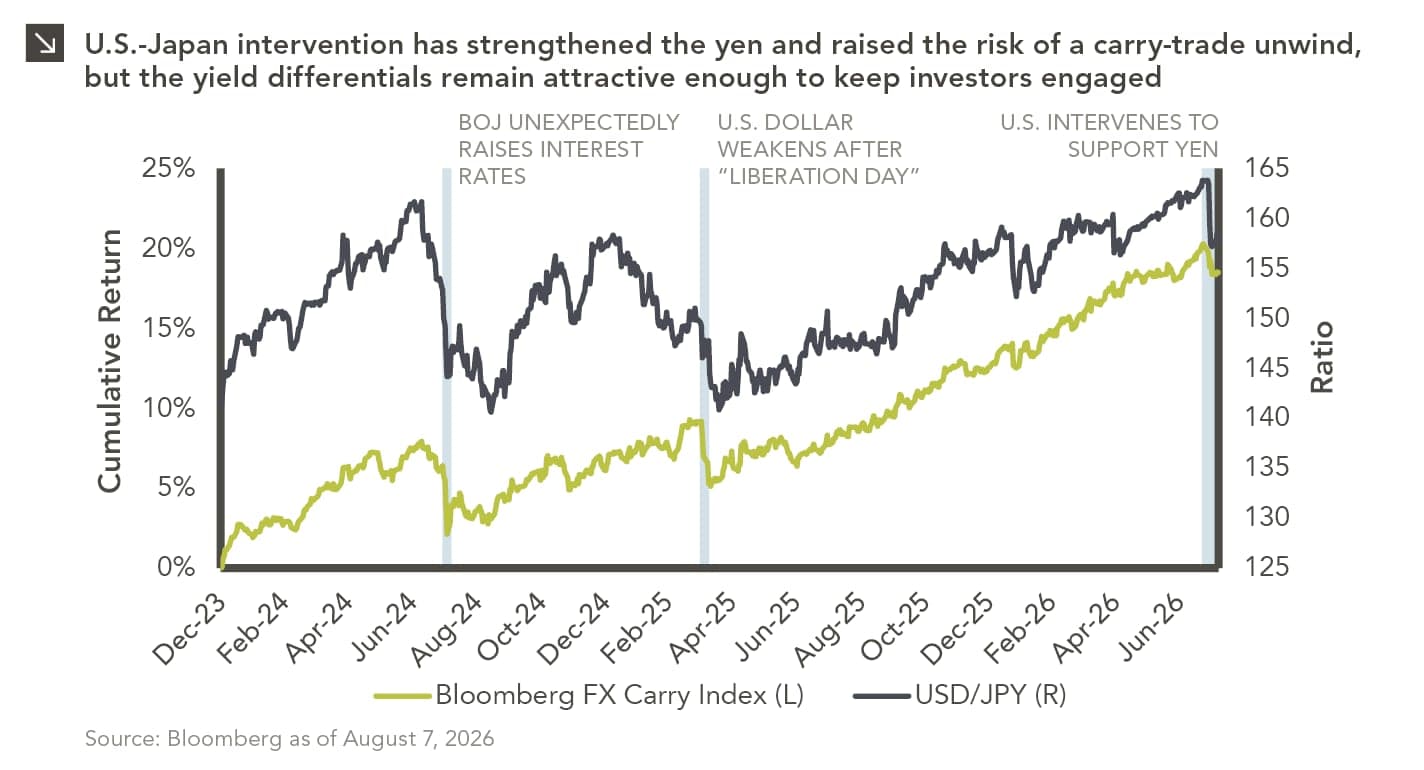
The number dictating global market plumbing right now is 160. That is the exchange rate of Yen to the U.S. Dollar, and it has crossed from being a cheap currency into a political crisis. For years, hedge funds and crypto whales have exploited the carry trade. Think of the Japanese economy as a giant, invisible credit card with a 0% interest rate that Wall Street used to buy high-yielding U.S. tech stocks and Bitcoin.
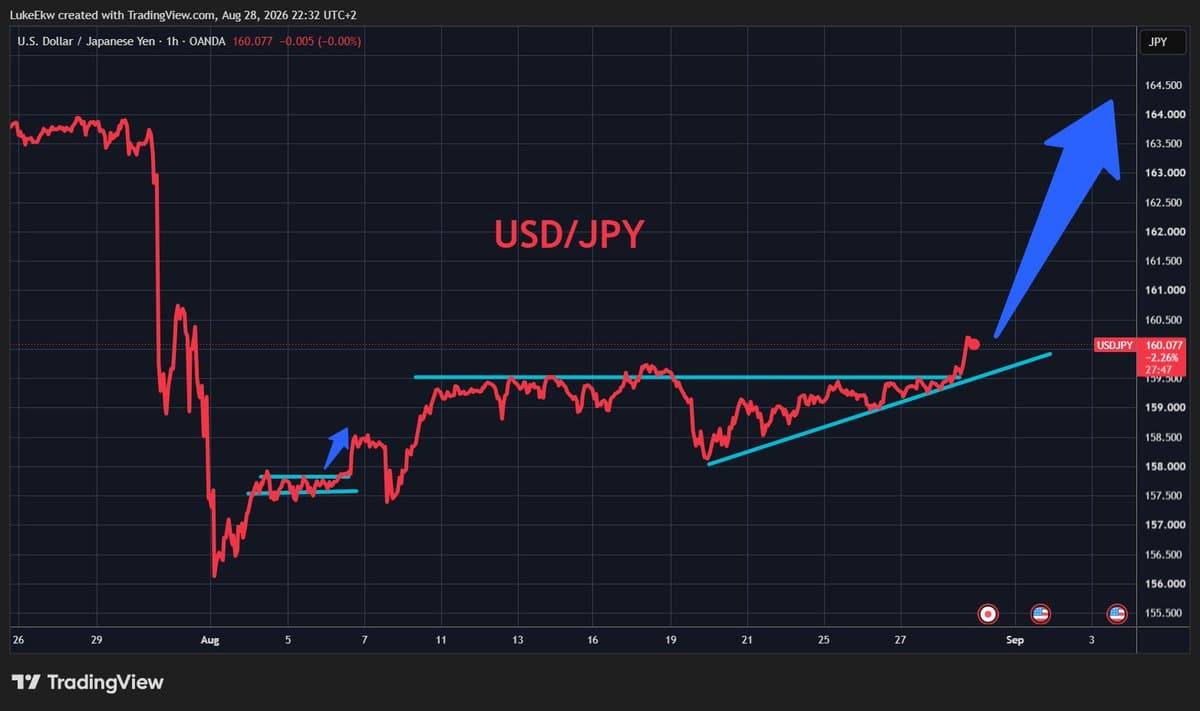
When the Yen weakens past 160, that trade unwinds. A cheap currency forces Japan to intervene, and if they aggressively hike interest rates to save their money, borrowing costs spike. Suddenly, investors must liquidate their Bitcoin and tech stocks to cover their Yen-denominated debts. In late July, Washington and Tokyo executed a historic, coordinated currency intervention to save the Yen, pushing it down to 155. It worked for exactly a month.
Now, that intervention has failed, erasing half its gains. Treasury Secretary Scott Bessent—a former George Soros protégé who knows exactly how currency collapses happen—finds himself desperately playing market-maker to protect U.S. borrowing costs. But his efforts are colliding directly with the new man running the Federal Reserve.
Asia's MicroStrategy Sparks a Panic
The tension boiled over in late August when Federal Reserve Chair Kevin Warsh took the stage at Jackson Hole. Warsh spooked markets by refusing to guarantee rate cuts, keeping the Dollar brutally strong and pinning the Yen to the mat.
“I stand here today committed to a discipline, not a decision.”— Kevin Warsh
The crypto market felt the aftershocks immediately. As the Yen breached 160, rumors of forced liquidations began to spread. The panic centered on Metaplanet, a Japanese firm dubbed "Asia's MicroStrategy" for its massive 43,000 BTC treasury. When CEO Simon Gerovich transferred 3,200 Bitcoin—roughly $248 million—to Coinbase Prime across multiple transactions, retail investors braced for a massive dump.
Gerovich had to publicly intervene to clarify the transfer was strictly for institutional custody, not a fire sale. But the fear was justified. In July 2024, a similar yen carry trade unwind flash-crashed Bitcoin from $65,000 to $50,000 in days. The market knows that institutional adoption has tied Bitcoin's fate to traditional macroeconomic plumbing. The question now isn't if the pipes will burst, but who controls the valve.
What people are saying

“Get ready for the next yen intervention... The yen has reclaimed 160. In under a month, over 50% of the combined ~$100B intervention has already been reversed. If this run rate holds, the Fed would have to print ~$50B a month just to stop the BoJ from selling USTs. To put that”


“🇦🇫 TALIBAN DECLARES WAR ON BITCOIN, CALLS IT A “SCAM” Afghanistan’s Taliban government has effectively banned Bitcoin and crypto trading nationwide, threatening traders and businesses with prosecution. More than 20 crypto shops shut down in Herat At least 13 traders reportedly”

How the Yen Tanks Bitcoin
The Brief
Stay curious
AI and technology: what changes and why it matters.
Your daily selection, in English or Spanish.
Free forever. Unsubscribe anytime.
More stories





Conversation
Start the conversation