
 The Specialty News
Bitcoin Pegs Its $79,000 Rally to Nvidia's AI Earnings
With a striking 0.5 correlation to the chipmaker, the cryptocurrency is trading native lore for macroeconomic reality ahead of Jackson Hole.

Bitcoin is currently trading near $79,000 after a blistering seven-day surge that briefly pushed the asset over the $80,000 threshold. But as the market digests this 22% weekly rally, technical indicators suggest a temporary ceiling has been hit. Rather than looking to crypto-native developments like network upgrades or exchange flows, traders are suddenly watching traditional economic milestones.
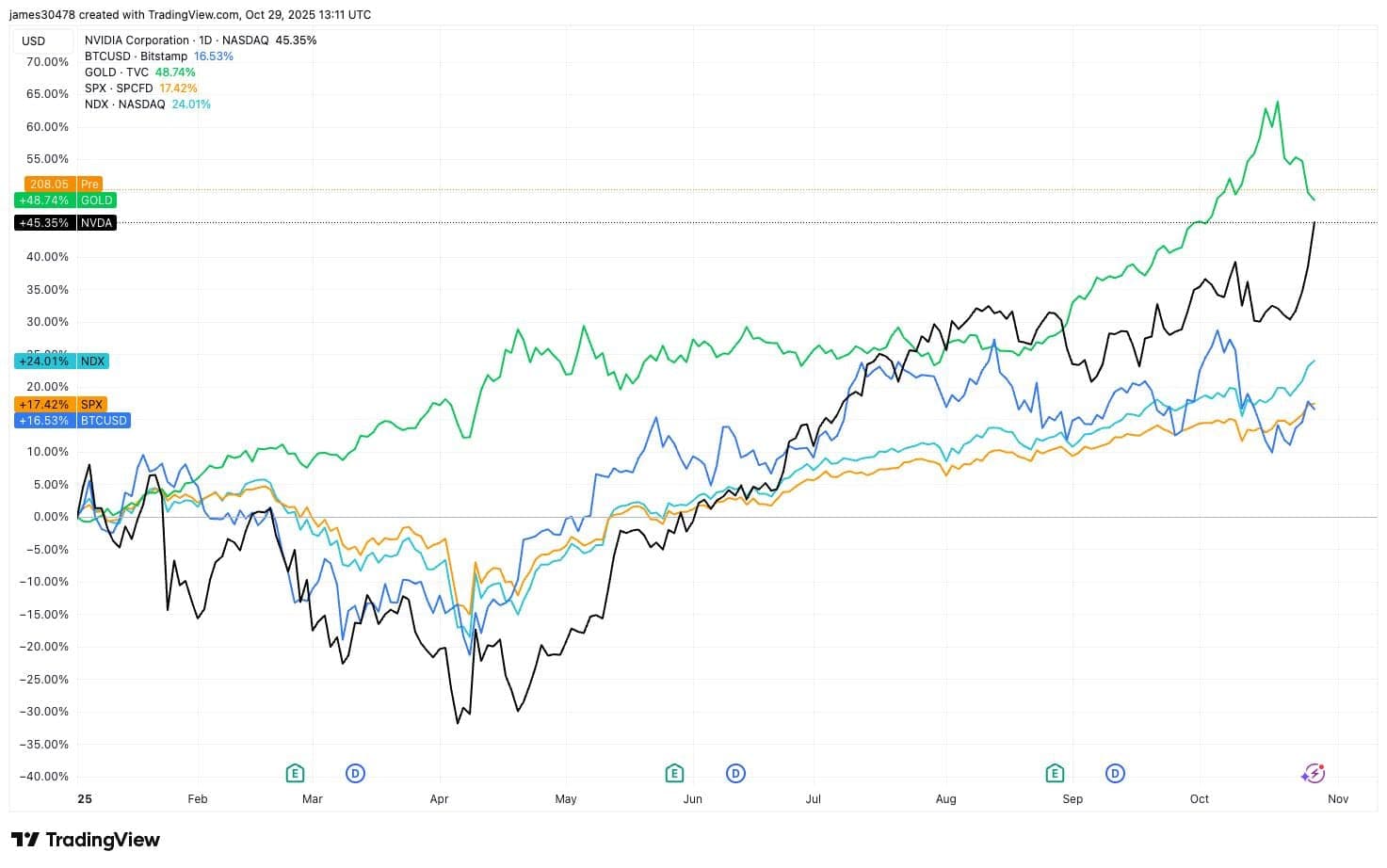
The Chipmaker Correlation
For years, Bitcoin’s price trajectory was overwhelmingly determined by internal catalysts: halving cycles, exchange bankruptcies, and regulatory approvals. Today, the asset responds instantly to semiconductor earnings. As Nvidia prepares to release its Q2 earnings this Wednesday, crypto markets are holding their breath.
This statistical linkage, sustained since early 2025, marks a profound shift in market behavior. Bitcoin has effectively transitioned into a premier, high-beta proxy for the broader technological revolution. A strong earnings beat from Nvidia wouldn't just validate the ongoing arms race for generational AI infrastructure; it would greenlight capital flows into all tech-adjacent risk assets.
Tech megacaps are currently injecting vast liquidity and optimism into the market through their capital expenditures. By riding Nvidia's coattails, Bitcoin is proving that its growth engine remains robust, deeply intertwined with the digital economy's physical buildout.
The Warsh Reality Check
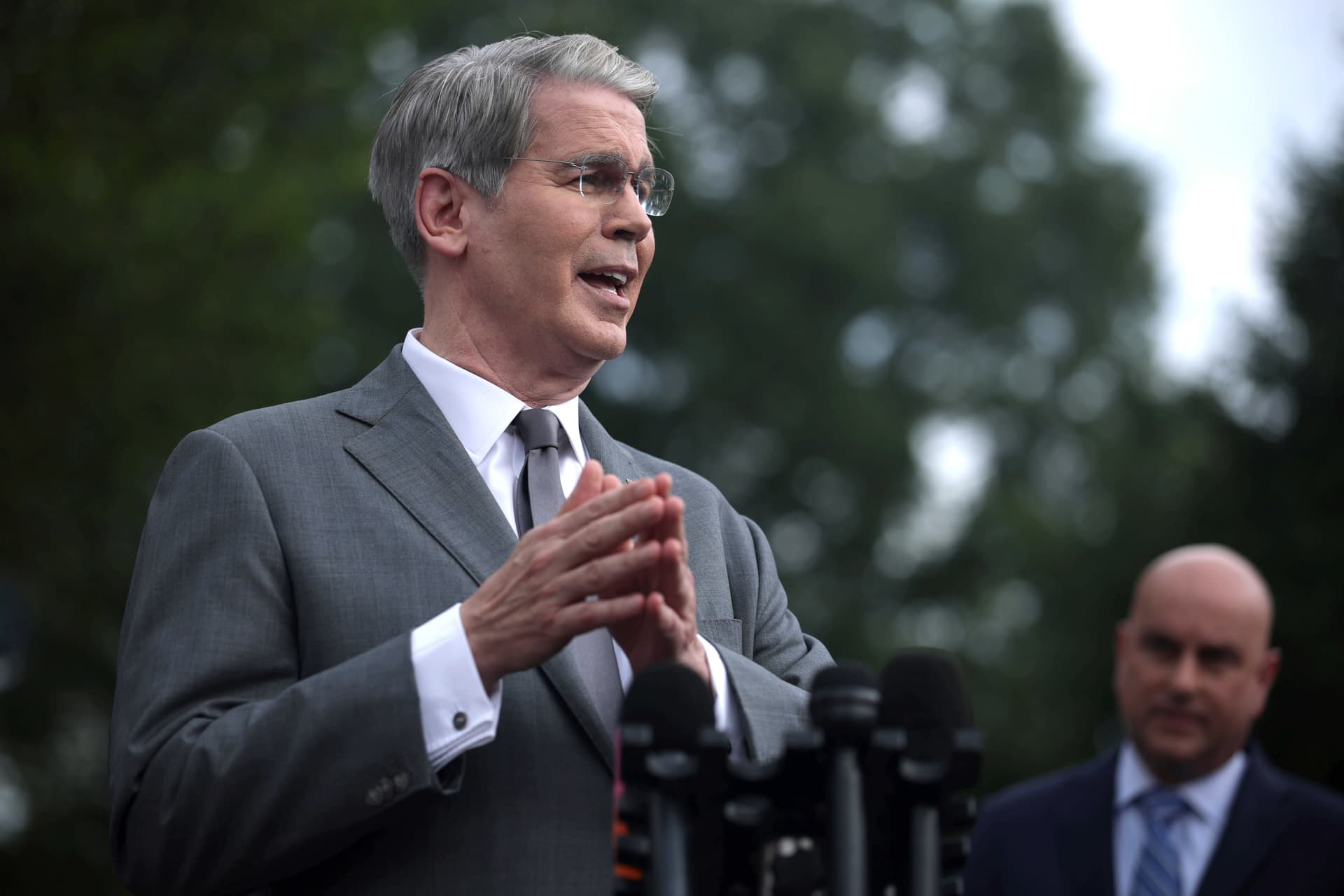
While AI infrastructure provides the upward thrust, the Federal Reserve controls the gravity. Newly appointed Federal Reserve Chair Kevin Warsh is scheduled to deliver a highly anticipated speech at the Jackson Hole Economic Symposium this Friday. Unlike his predecessors, Warsh has explicitly advocated for markets to price themselves autonomously based on raw data, stepping back from heavy central bank forward guidance.
This hands-off philosophy means upcoming economic prints carry outsized weight, leading to heightened volatility. The primary hurdle arrives with the U.S. July Core PCE Data, the Fed’s preferred inflation gauge, expected to show core inflation at 3.2% year-over-year. If this data prints exceptionally hot, the currently priced 38% probability of a September rate hike will spike, applying heavy downward pressure on non-yielding assets like Bitcoin.
“Investors should avoid chasing recent gains and should instead prioritize staggered entries, small positions, and controlled leverage.”— Vikram Subburaj
Traders are now forced to navigate an environment where macro data doesn't just influence the margins—it dictates the trend. The CME’s FedWatch tool indicates roughly a 60% chance the Fed holds the benchmark interest rate at 3.50%–3.75%, leaving a precarious margin for error.
What people are saying


“Bitcoin briefly surges past $80K as crypto rally rages on: Here's how long it's expected to last”


“Bitcoin has stormed back from a months-long downtrend, tearing through $79,500 on Friday as a wave of short covering collided with a US Treasury liquidity push and a fresh White House embrace of the crypto industry.”
Bitcoin's New Macro Reality
The Brief
Stay curious
AI and technology: what changes and why it matters.
Your daily selection, in English or Spanish.
Free forever. Unsubscribe anytime.
More stories




Conversation
Start the conversation