
 The Specialty News
Apple Taps Stop-Motion Claymation to Launch the 2nm M6 Mac Mini
The tech giant skipped the M5 to release a $899 desktop powerhouse, but ditched generative AI for literal clay to sell it.
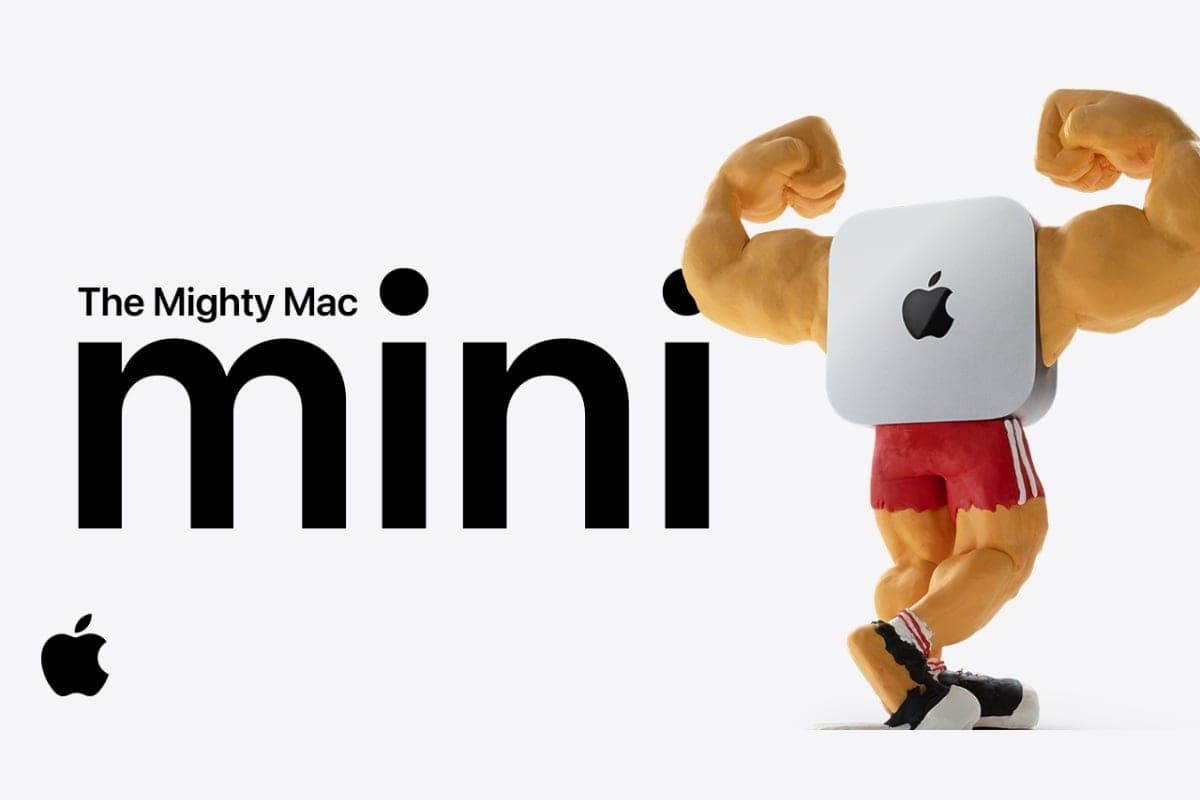
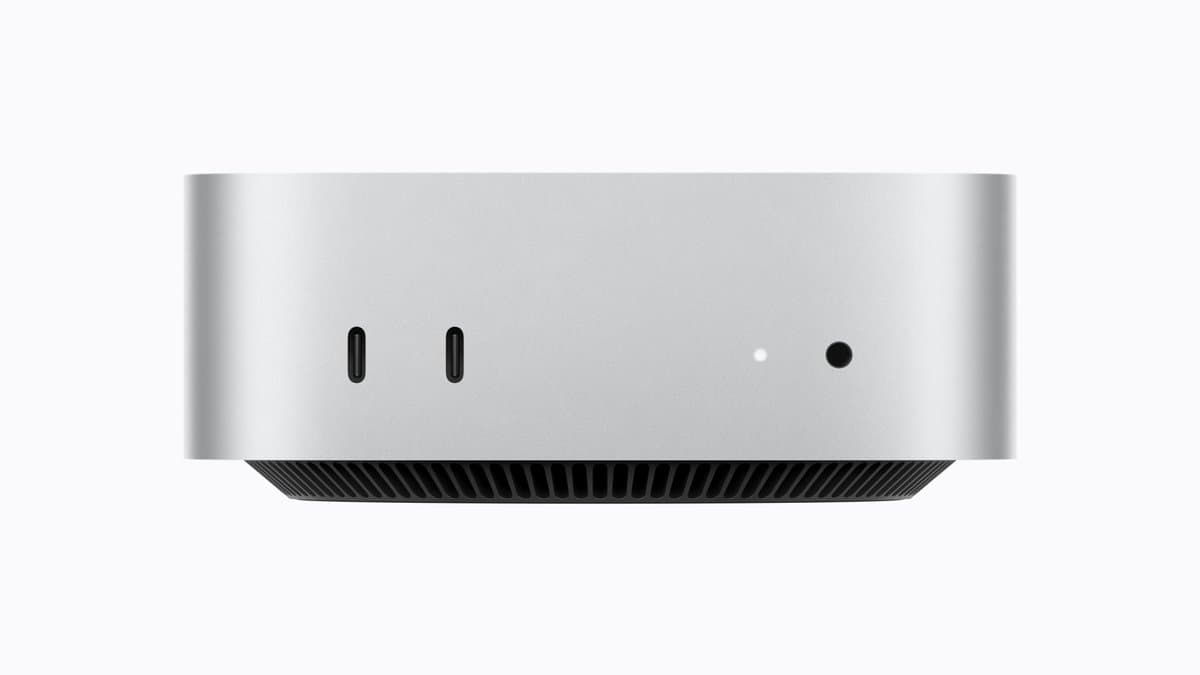
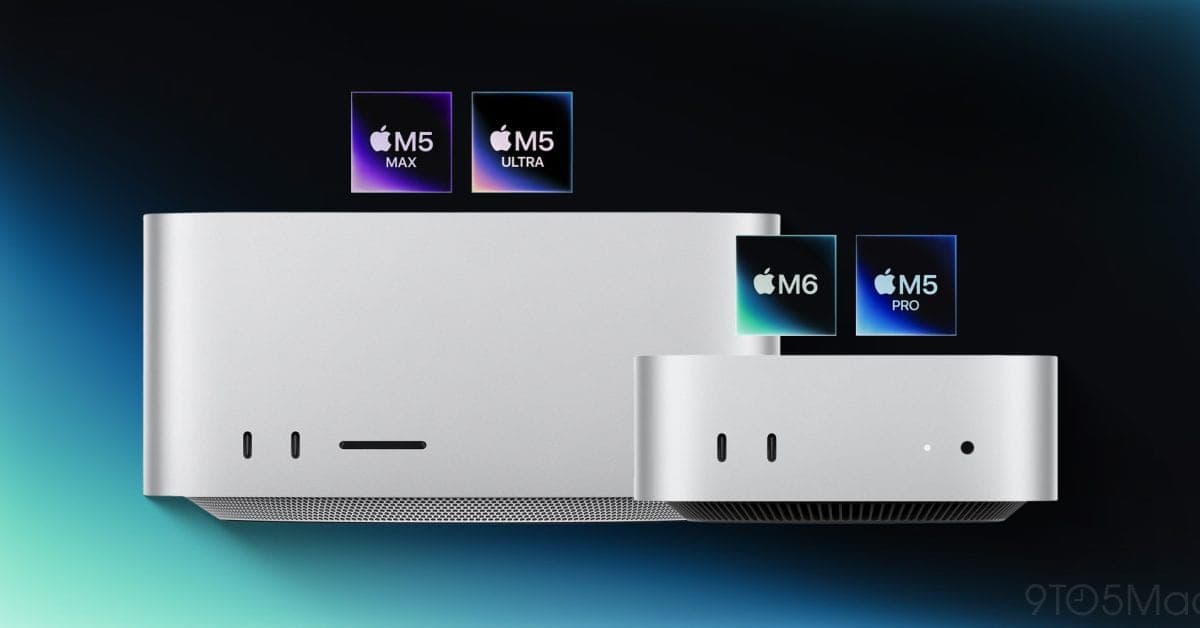
Tech companies are currently falling over themselves to show off what generative AI can synthesize. So what does Apple do to sell its most advanced AI-focused desktop ever? They bring out the modeling clay. On August 25, Apple unveiled the M6 Mac mini. It is a staggering piece of silicon engineering packed into a 5x5-inch silver box. Yet the marketing campaign behind it is decidedly old-school.
The Price of a 2nm Leap
The M6 is not just a spec bump; it is a manufacturing milestone. Apple skipped the M5 generation entirely for its base desktop, leaping straight to a first-generation 2nm silicon process. The result is a chip that crams a 12-core CPU, a 12-core GPU, and dedicated Neural Accelerators into a chassis no bigger than a lunchbox.
Johny Srouji, Apple’s Chief Hardware Officer, was not exaggerating when he called it a whole new level of AI performance. But that power comes at a steep cost. The tech industry is currently navigating RAMageddon, a brutal supply chain squeeze where fabrication plants are prioritizing highly lucrative data-center chips over consumer components.
Consequently, the entry-level price for the Mac mini has skyrocketed from $599 to $899. Apple is betting that consumers will pay a $300 premium for a machine capable of running complex large language models entirely on-device, independent of the cloud. The hardware is undeniably impressive, but the price point removes it firmly from the budget desktop conversation.
Rejecting the Synthetic

How do you market invisible, microscopic computing power? You make it tangible. To promote the M6, Apple teamed up with TBWA\Media Arts Lab, director Nicos Livesey, and production heavyweights Blinkink and Stoopid Buddy Stoodios.
Their creation, "The Mighty Mac mini," shows the diminutive computer morphing into a flexing bodybuilder, a race car, and a rocket ship. But when Apple dropped the behind-the-scenes footage, the internet noticed what was missing: artificial intelligence.
“A refreshing change in today's world of AI made graphics — electrifying energy ⚡️”— Top Reddit Comment
Every frame was crafted using practical, stop-motion claymation. In a cultural moment obsessed with prompt-generated video and algorithmic perfection, Apple’s choice to use literal dirt and clay is a brilliant counter-cultural statement. It is a calculated reminder that while the machine is optimized for artificial intelligence, the brand remains grounded in human creativity.
High Tech Needs High Touch
Apple has long understood the paradox of consumer technology: the more advanced our gadgets become, the more we crave a human touch. We saw this with their practical glass Apple TV+ logo and the iPhone-shot "Fuzzy Feelings" holiday ad. "The Mighty Mac mini" campaign taps directly into that same vein of analog nostalgia, evoking classic 1990s MTV idents and Wallace and Gromit.
Looking ahead to the September 22 shipment date, Apple's strategy reveals a crucial lesson for the rest of the industry. As chips shrink to the atomic scale and generative algorithms flood our feeds with synthetic media, tech brands can no longer rely on sterile, futuristic renders to stand out.
The future of selling hyper-advanced hardware is not about bragging about the algorithm. It is about proving that behind the 2nm transistors and localized AI agents, there is still something wonderfully, messily human.
What people are saying

“$AAPL LAUNCHES NEW MAC MINI WITH M6 AND M5 PRO Apple unveiled a new Mac mini lineup, with preorders starting today and availability beginning Sept. 22. M6 Mac mini: • Starts at $899 • 12-core CPU / 12-core GPU • Up to 40% faster CPU performance vs. M4 • Up to 4x faster AI”
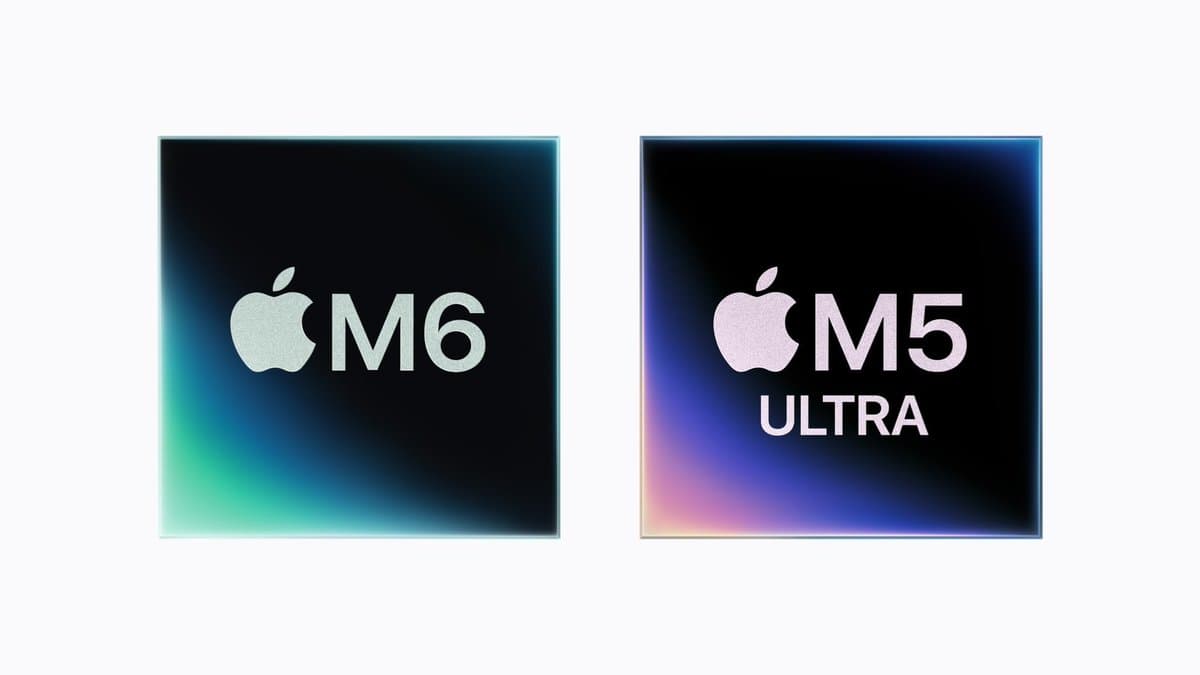

“Appleが2nmプロセスを採用したM6搭載のMac miniと、M5 Ultra搭載Mac Studioを発表。M6は機械学習コアが16x2というわかりやすいインパクトがある。 M6は12コアCPU/12コアGPU/デュアル16コアNeural Engine搭載。170GB/sのメモリ帯域。ただしメモリ上限は32GBのまま。”
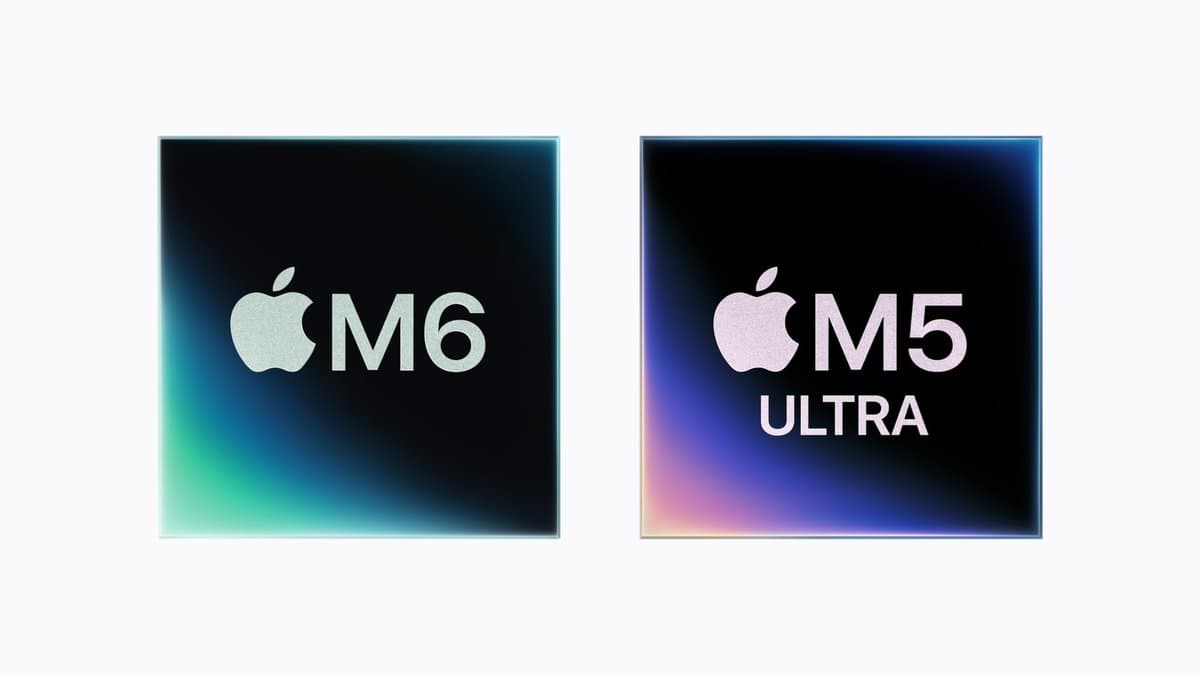

“✨🖥️ Apple dévoile le nouveau Mac mini (M6 / M5 Pro) - Puce M6 : 12 cœurs CPU/GPU, Neural Accelerators intégrés au GPU et Dual 16-core Neural Engine (IA 4x plus rapide, graphismes 2x plus rapides). - Puce M5 Pro : Jusqu'à 18 cœurs CPU, 20 cœurs GPU (ray tracing v3) et 64 Go”
The M6 Mac Mini Paradox
The Brief
Stay curious
AI and technology: what changes and why it matters.
Your daily selection, in English or Spanish.
Free forever. Unsubscribe anytime.
More stories



Conversation
Start the conversation