
 The Specialty News
Greg Abel's Berkshire Buys Back $9.6 Billion of Its Own Shares
More than double the previous quarter, with over half spent in September, the month Warren Buffett handed the chairman's seat to his son Howard.
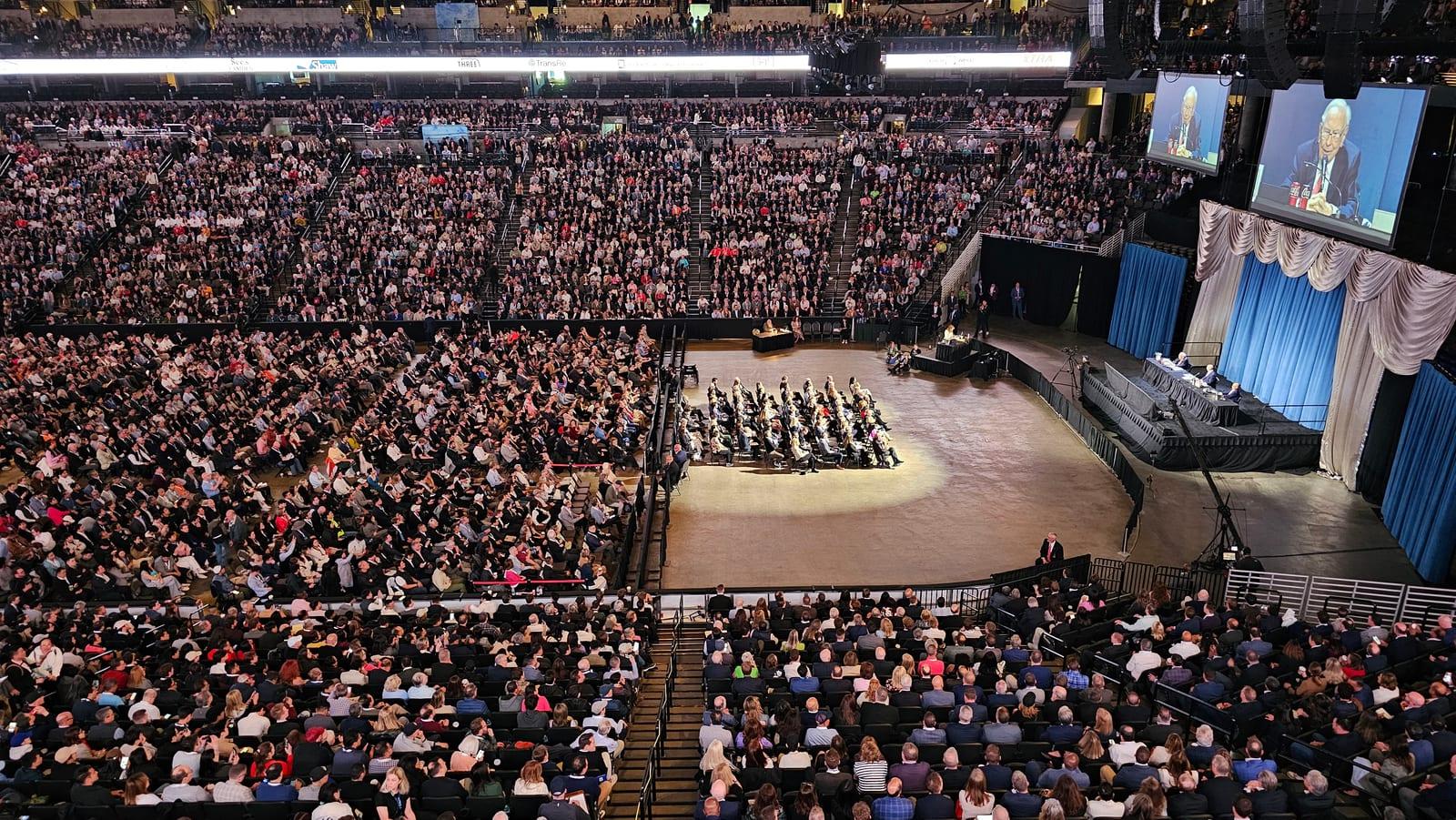
Between July and September, Berkshire Hathaway spent about $150 million on its own stock for every day the market was open. The total, disclosed on Saturday, came to $9.6 billion, more than double the second quarter and nearly 1% of the whole company retired in a single quarter. It is the clearest signal yet from Greg Abel, chief executive since January, about what he thinks Berkshire is worth.
Over Half of It in September
Berkshire's quarterly report shows the buying month by month. In July it bought about $3.4 billion of its Class A and Class B shares. August was quiet, at roughly $850 million. Then September brought about $5.4 billion, more than the other two months combined, at an average of about $507 per Class B share.
The timing matters because of how Berkshire's buybacks work. There is no budget and no target. The program allows repurchases whenever the chief executive, “after consultation with the Chairman of the Board,” believes the price is below Berkshire's intrinsic value, “conservatively determined.” On September 18, Warren Buffett stepped down as chairman after more than six decades and became chairman emeritus, and his son Howard, a director since 1993, took the seat. The heaviest month of buying was also the month the new pair took charge.
There is one hard limit: Berkshire will not buy back stock if doing so would push its cash, cash equivalents and Treasury bills below $30 billion. That leaves an enormous amount of room, and the rest of the report shows where the money comes from.
The Railroad Carried What Insurance Lost
Berkshire's operating earnings, the profit from its businesses before swings in its stock portfolio, came in at $12.7 billion for the quarter, down 5.8% from a year earlier. Insurance explains the drop. Underwriting profit fell 43% to $1.35 billion, GEICO's pre-tax underwriting earnings slipped to $982 million from $1.77 billion, and the reinsurance group said premium volumes were held back by increased price competition in U.S. property markets. Investment income at the insurers fell 14%, to $2.73 billion.
Almost everything else grew. BNSF, the railroad, earned $1.73 billion after tax, up 19%. Berkshire Hathaway Energy rose 8% to $1.61 billion. Manufacturing, service and retailing, the group that runs dozens of industrial and consumer businesses, earned $4.04 billion, up 12%.
Some of that growth came from Abel's own deals. Berkshire closed its $6.8 billion purchase of homebuilder Taylor Morrison on July 24, helping lift revenue at its homebuilding businesses by 41%, to $4.7 billion. In January it completed the $9.4 billion acquisition of OxyChem, Occidental Petroleum's chemicals business. The quarter's buyback was bigger than either deal. So how is the new leadership dividing the work?
Abel's First Year, in Numbers
Buffett told Berkshire's annual meeting in Omaha in May 2025 that he wanted Abel to take over as chief executive at the end of that year. Abel took the job on January 1. When Buffett handed over the chairmanship in September, he summed up the arrangement himself:
“Greg runs the company; Howard will guard its culture and values – both worth more than anything on our balance sheet.”— Warren Buffett
The balance sheet is still the envy of corporate America. At the end of September, Berkshire's insurance and other businesses held $352.3 billion in cash, cash equivalents and Treasury bills, net of purchases that settled in October, down from about $359 billion in June. Its insurance float, the premiums it holds before paying claims, grew to about $178.5 billion. “Financial strength and redundant liquidity will always be of paramount importance at Berkshire,” the quarterly report says.
Shareholders have liked what they see. Berkshire's Class A shares are up 13% this year, against 7.8% for the S&P 500, and gained more than 12% over the past month while the index fell 5.5%, according to CNBC.
What is left to solve is insurance, the engine that has funded Berkshire for decades, where GEICO's underwriting profit nearly halved this quarter. The arithmetic of buybacks is simple, though: every share Berkshire retires gives each remaining owner a slightly bigger slice of the railroad, the utilities, the insurers and the cash. Under its new leadership, Berkshire just put $9.6 billion behind the company its managers know best: its own.
Abel's Berkshire Puts Cash to Work
The Brief
Stay curious
AI and technology: what changes and why it matters.
Your daily selection, in English or Spanish.
Free forever. Unsubscribe anytime.
More stories
Conversation
Start the conversation