
 The Specialty News
ULA's Vulcan Loses 40 Amazon Leo Satellites, Its First Failure Since 2006
The fifth Vulcan flight went wrong 10 minutes after liftoff, on the first of 38 launches Amazon has booked with ULA.
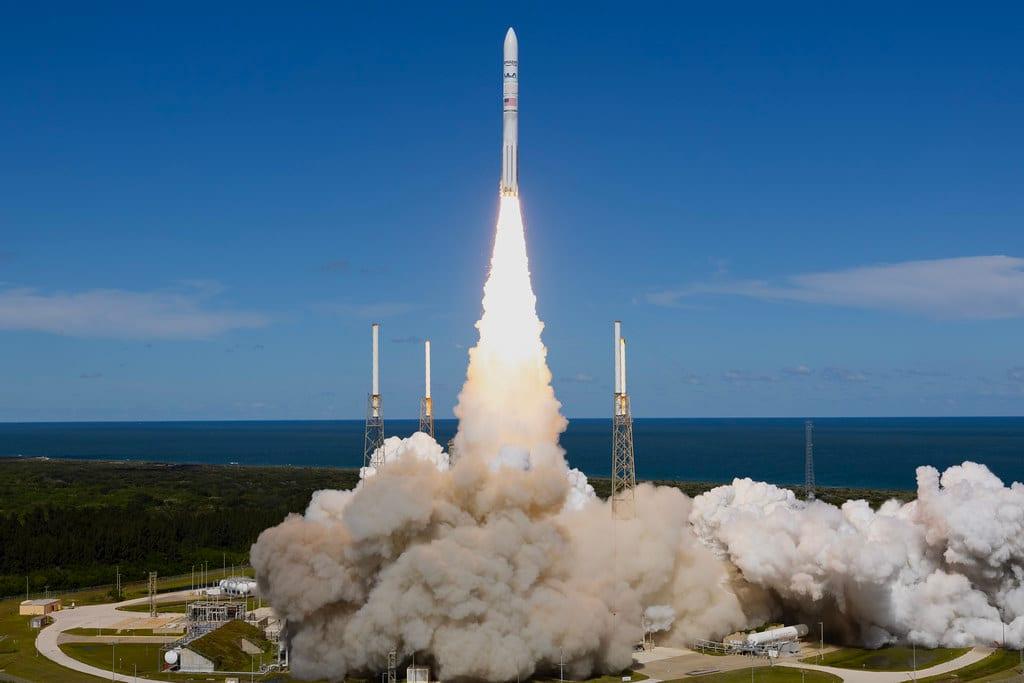
Ten minutes after it left Cape Canaveral on Sunday, a United Launch Alliance Vulcan rocket suffered an anomaly, and the 40 Amazon Leo satellites on board never reached orbit. It is the first mission ULA has lost since Boeing and Lockheed Martin formed the company in 2006. For Amazon, which is building a broadband network in low Earth orbit, it is a costly lesson on the first of 38 Vulcan launches it has booked, and a test of how well it spread its bets.
What Happened at Minute Ten
Vulcan lifted off from Space Launch Complex 41 at 12:40 p.m. EST, at the very end of its launch window, after a scrub on Friday over a ground nitrogen problem and a network delay on Saturday. The six solid boosters burned out and dropped away, and Northrop Grumman, which builds them, said its preliminary data shows they performed as expected and separated before the anomaly.
The trouble came higher up. Spaceflight Now reported that the first stage burned longer than the pre-launch timeline called for and separated later than expected, and that telemetry then showed unusual orientation adjustments early in the burn of the Centaur V upper stage carrying the satellites. About 50 minutes after liftoff, ULA confirmed that the vehicle "suffered an anomaly 10 minutes into the flight and failed to deliver the Amazon mission to orbit."
ULA has not named a cause and says it will work with its customer and other organisations to find it. Blue Origin, which builds Vulcan's BE-4 main engines, had retrofitted a valve design improvement on this rocket's engines a couple of months earlier, ULA CEO Mark Peller said before the flight. Whether any of that matters is exactly what the investigation now has to answer.
What makes this loss sting is the record it ended.
Twenty Years Without Losing a Mission
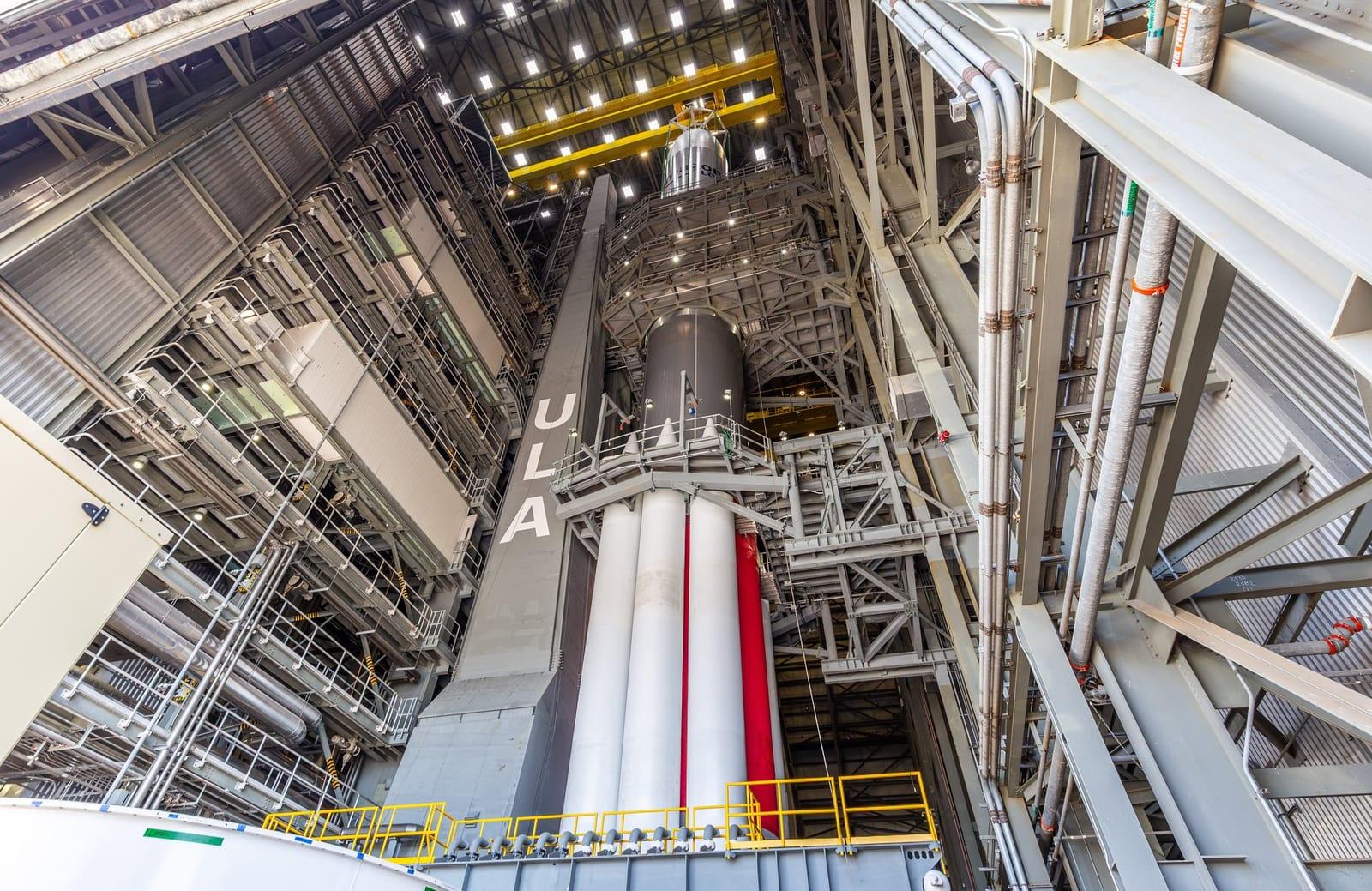
Since 2006, ULA has flown Atlas V and Delta rockets for NASA, the Pentagon and commercial customers without a single outright mission failure, a record that made it the cautious choice for national security launches. Vulcan was built to carry that record forward with new engines and a bigger upper stage.
The new rocket has had a bumpy start. Solid-booster nozzle problems marred two of its earlier flights, one in 2024 and another in February 2026, and the US Space Force paused Vulcan's national security missions while ULA, Northrop Grumman and the government investigated. Sunday's flight was only the fifth Vulcan launch, and the first in nine months.
“There is risk with any launch, and that's especially true for inaugural missions like LV-01.”— Amazon Leo
Peller had said much the same in the days before liftoff: "As with any new rocket, there are risks associated with every launch." The question now is what the loss means for the network those satellites were meant to join.
Amazon Spread Its Bets Across Four Rockets
Amazon Leo is building a constellation of more than 3,000 satellites to deliver broadband from low Earth orbit, and this flight would have brought the total it has launched to 436. Vulcan is the biggest rocket in the plan, which is why Melissa Wuerl, Amazon Leo's director of launch systems, said Vulcan "will launch close to half our first-generation constellation."
Amazon never put all of that on one rocket. Beyond its 38 Vulcan flights, it has booked 24 on Blue Origin's New Glenn, 24 on Ariane 6 and 13 on SpaceX's Falcon 9, after eight Atlas V missions already flown. Its next launch, on an Ariane 6 from Kourou in French Guiana, is targeted for no earlier than November 23. Production keeps moving too: Amazon passed 1,000 satellites built in early September, with hundreds of flight-ready ones waiting for a ride.
Rockets come back from days like this. SpaceX lost a Falcon 9 and its cargo for the space station in June 2015 and flew again that December; the rocket went on to become the most-flown in the world. NASA Administrator Jared Isaacman said the agency is available to help with the investigation, and Amazon said it believes ULA will "learn from this mission," with 37 Vulcan launches still on the books.
Forty satellites are lost, and the next batch is scheduled to fly from French Guiana a week from now.
Vulcan's Five Flights, One Loss
The Brief
Stay curious
AI and technology: what changes and why it matters.
Your daily selection, in English or Spanish.
Free forever. Unsubscribe anytime.
More stories


Conversation
Start the conversation