
 The Specialty News
Trump, Xi and Putin Set Their First Three-Way Meeting, in Shenzhen
The White House says nuclear arms reduction leads Thursday's agenda, nine months after the last treaty capping US and Russian arsenals expired.
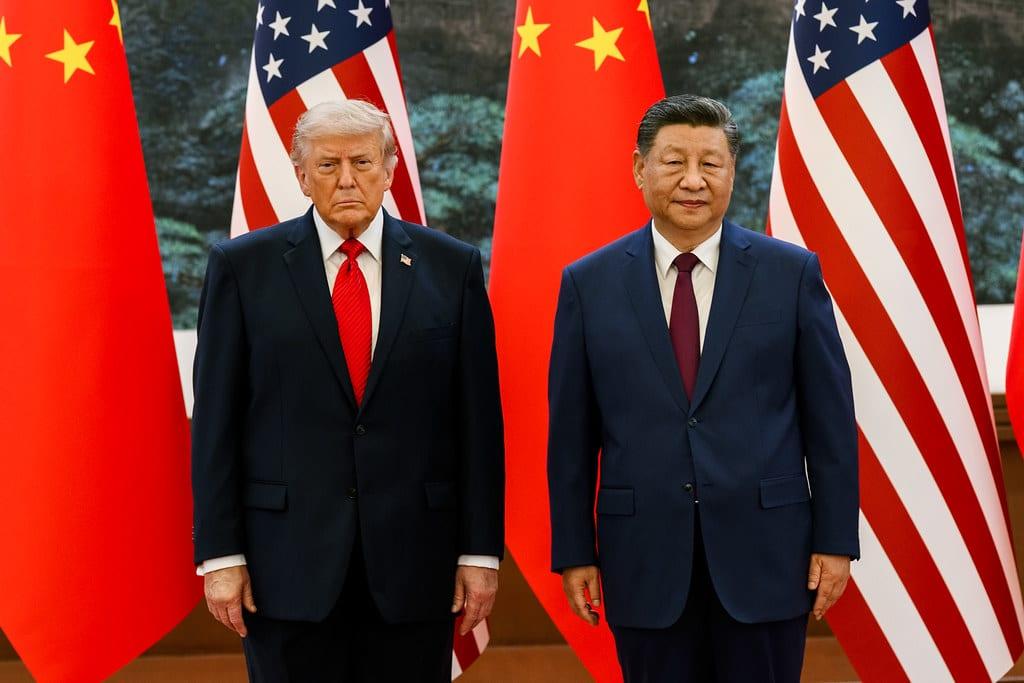
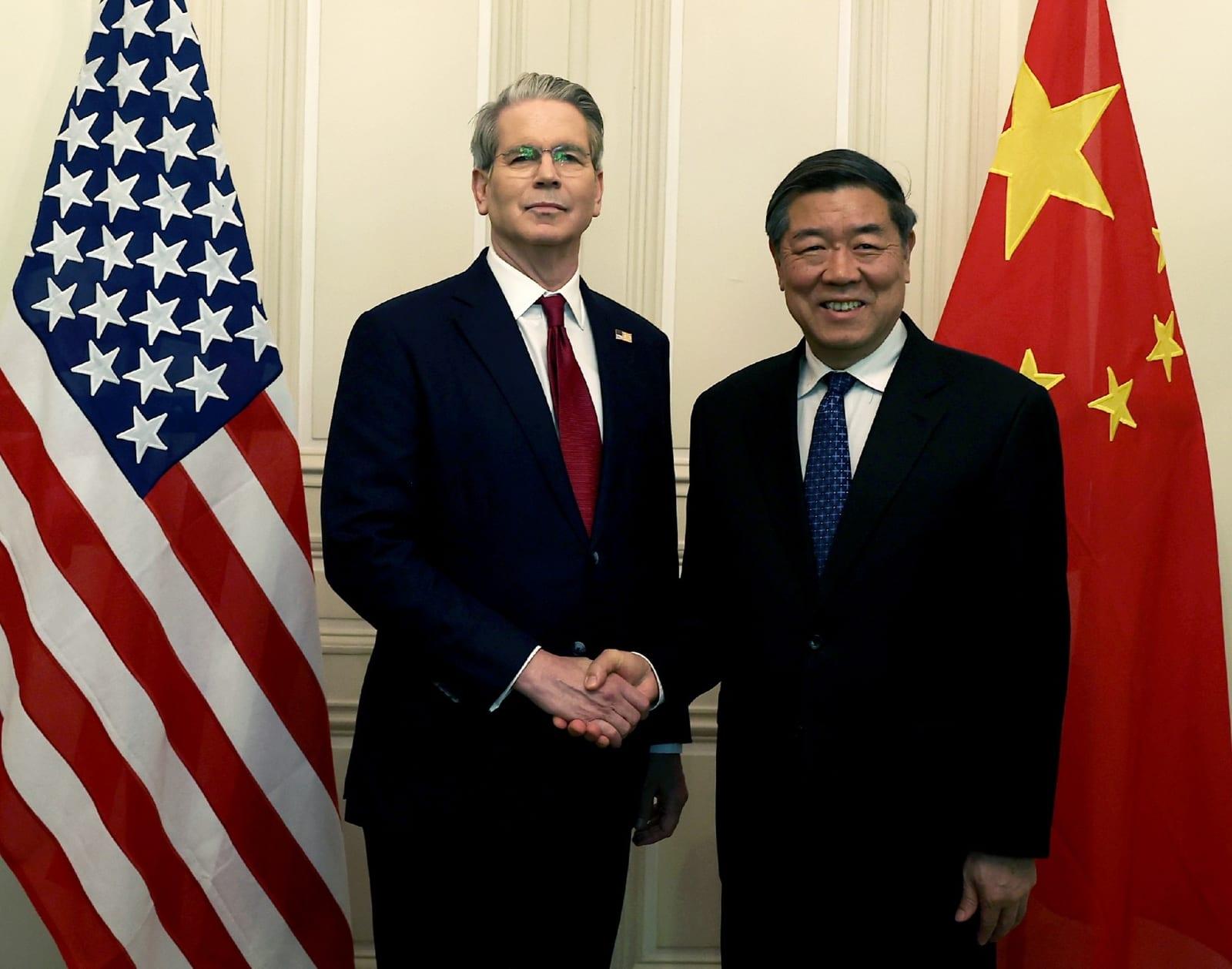
The leaders of the United States, China and Russia have never sat down together as three. The White House said on Friday that they will on Thursday, in Shenzhen, on the sidelines of the Asia-Pacific Economic Cooperation summit. The talks will focus on reducing nuclear weapons and on the war in Iran, and officials on both the American and Russian sides say no agreement is expected. For the first time since the last US-Russia arms treaty lapsed in February, the three largest nuclear powers will discuss their arsenals in the same room.
Three Leaders, One Table, for the First Time
Olivia Wales, the White House spokeswoman, told reporters on Friday that President Trump "will conclude his visit to China with a trilateral meeting" alongside Xi Jinping and Vladimir Putin. The Kremlin confirmed it. China had not commented by Saturday, and Chinese state media mentioned only Xi's bilateral talks.
The leaders know each other well in pairs. Trump and Putin have met seven times, most recently in Anchorage, Alaska, in August 2025. Putin and Xi have met more than 40 times since 2013, and Xi received Trump in Beijing in May. All three have never met at once.
The trip is built around it. Trump leaves Washington on Monday for a summit of Southeast Asian nations in the Philippines on Tuesday, arrives in Shenzhen late on Wednesday, and on Thursday holds talks and a working lunch with Xi before the three-way meeting closes his visit. APEC brings together 21 economies in the city this week.
The first item on the table is the one that matters most to everyone outside it.
The Treaty That Ran Out in February
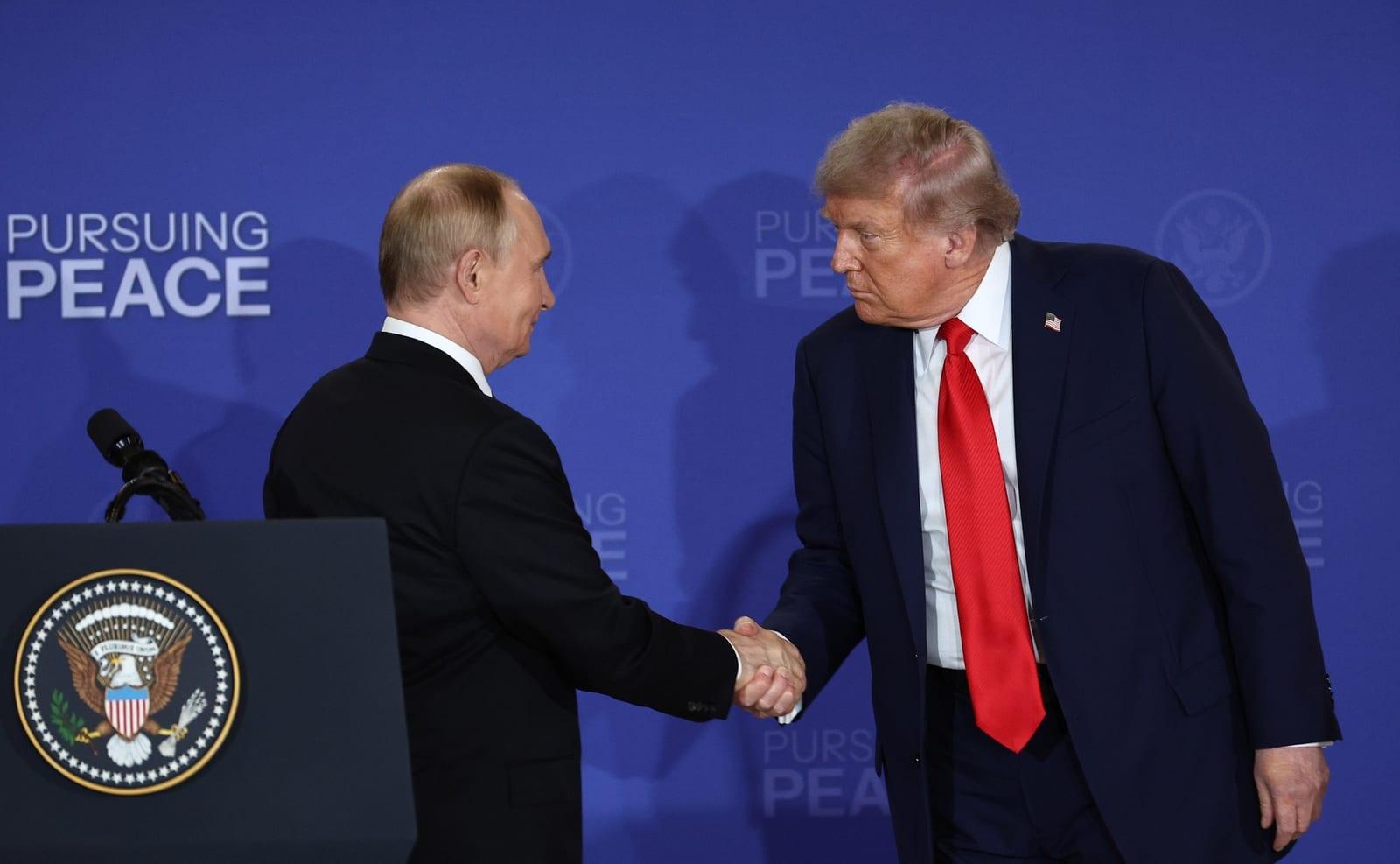
New START, signed in 2010, was the last agreement limiting the strategic nuclear arsenals of the United States and Russia. It lapsed in February 2026, leaving the two countries without a cap for the first time in decades. Russia offered to extend it for a year. Trump turned the offer down.
Washington says it wants a "new, improved and modernized" deal, and that China should be part of it. According to Pentagon estimates, China has more than 600 nuclear warheads. The United States and Russia each have more than 5,000.
Beijing has resisted joining. Last month China's Foreign Ministry said it was "neither fair, reasonable nor realistic" to ask it to take part in three-way nuclear talks at this stage. Wales said Trump will discuss "the reduction of nuclear weapons in the world" all the same.
The second subject is the war in Iran, which the United States and Israel launched on February 28. A senior US official said Ukraine will not be raised, so what can one meeting realistically produce?
What a First Meeting Can Open
Officials are setting expectations low on purpose. A senior Trump administration official told Reuters: "we do not expect to get any kind of agreement." The Kremlin agrees on the weight of the occasion and on its limits.
“A meeting between the leaders of countries such as Russia, China and the United States is extremely significant.”— Dmitry Peskov, Kremlin spokesman
Peskov added that whatever the three agree cannot be imposed on other countries. Ukrainian President Volodymyr Zelenskyy has voiced concern that the talks could become a place to settle Ukraine's future without Kyiv, which is why the US statement that Ukraine is off the agenda matters to him.
Arms control has rarely started with a treaty. It has started with leaders agreeing that a subject belongs on the table, then handing it to negotiators. The Cold War treaties between Washington and Moscow took years of that work. A first meeting that puts all three nuclear powers in the same conversation is where that process could begin, if Beijing decides the time is right.
On Thursday, for the first time, the leaders of the world's three largest nuclear powers will talk about those weapons at one table.
From Pairs to a First Trio
The Brief
Stay curious
AI and technology: what changes and why it matters.
Your daily selection, in English or Spanish.
Free forever. Unsubscribe anytime.
More stories
Conversation
Start the conversation