
 The Specialty News
Turkey and Qatar Sign a Mutual Defence Pact at Their 12th Summit
Erdoğan and Emir Tamim signed it themselves at Dolmabahçe, one of five agreements, presented as a way to keep war from returning to the Gulf.
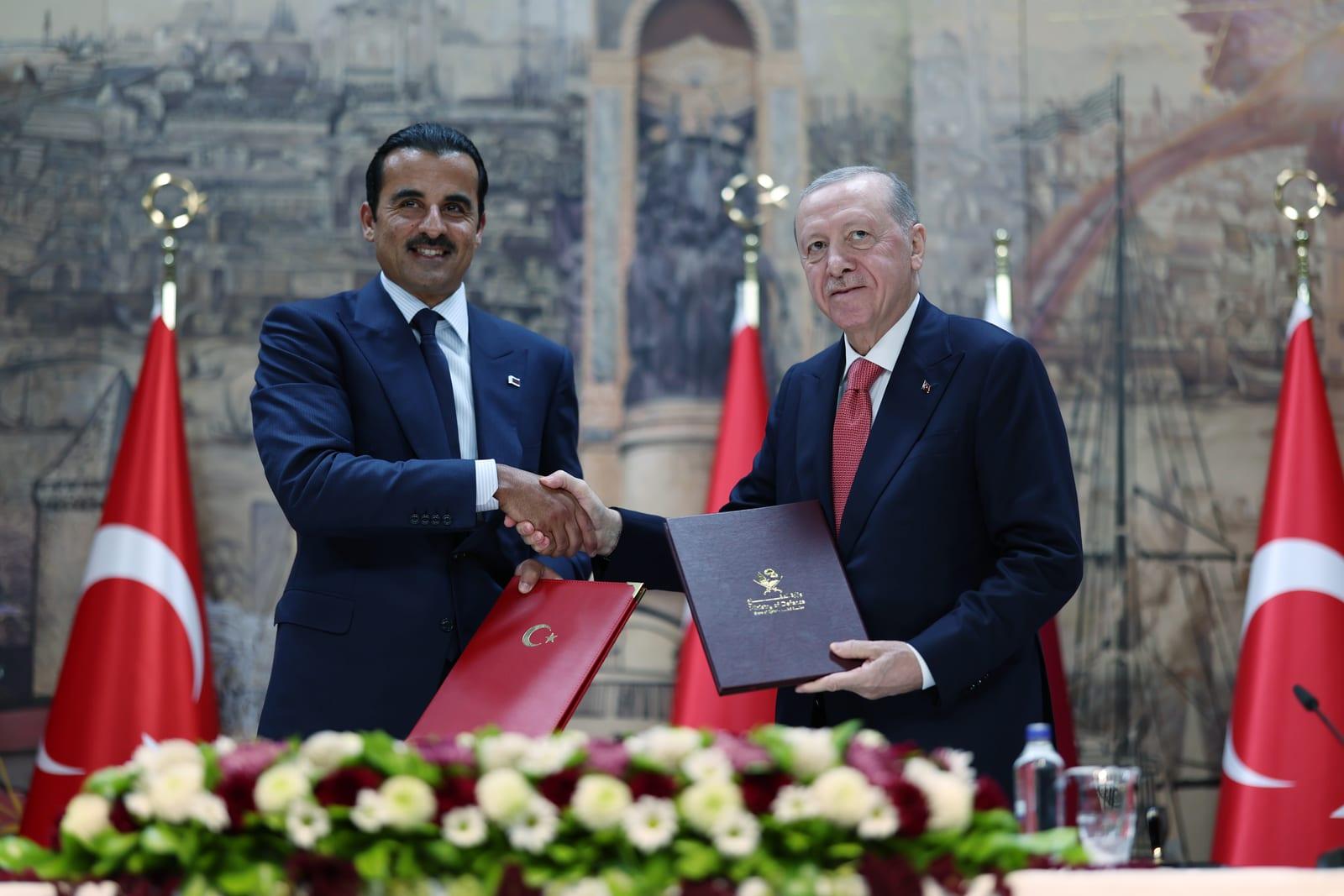
Recep Tayyip Erdoğan and Sheikh Tamim bin Hamad Al Thani shook hands over signed folders at Istanbul's Dolmabahçe on Friday, sealing a mutual defence agreement between Turkey and Qatar. It was the only one of five documents the two leaders signed in person, at the 12th meeting of their countries' Supreme Strategic Committee. Erdoğan's office presented the pact as a way to help prevent the resurgence of war in the Gulf region.
Five Documents, One Signed by the Leaders Themselves
The meeting brought much of both governments into one room. Turkey sent Foreign Minister Hakan Fidan, Defence Minister Yaşar Güler, Treasury and Finance Minister Mehmet Şimşek, Industry Minister Mehmet Fatih Kacır and Trade Minister Ömer Bolat. Qatar's delegation included Prime Minister and Foreign Minister Sheikh Mohammed bin Abdulrahman Al Thani and Sheikh Saoud bin Abdulrahman Al Thani, the deputy prime minister responsible for defence, according to Qatar News Agency.
Alongside the defence pact, ministers signed a memorandum on consumer protection and market surveillance, an education cooperation agreement and a foreign ministry understanding on peacebuilding, reconciliation and conflict resolution. The committee closed with a joint communiqué signed by the two foreign ministers.
The agenda went well beyond security. Qatar News Agency said the talks covered defence, trade, investment, energy and education, along with the situation in the region and global energy security. The defence accord is the piece that changes the relationship most, and its roots go back more than a decade.
From a 2014 Deal to Turkish Troops Near Doha
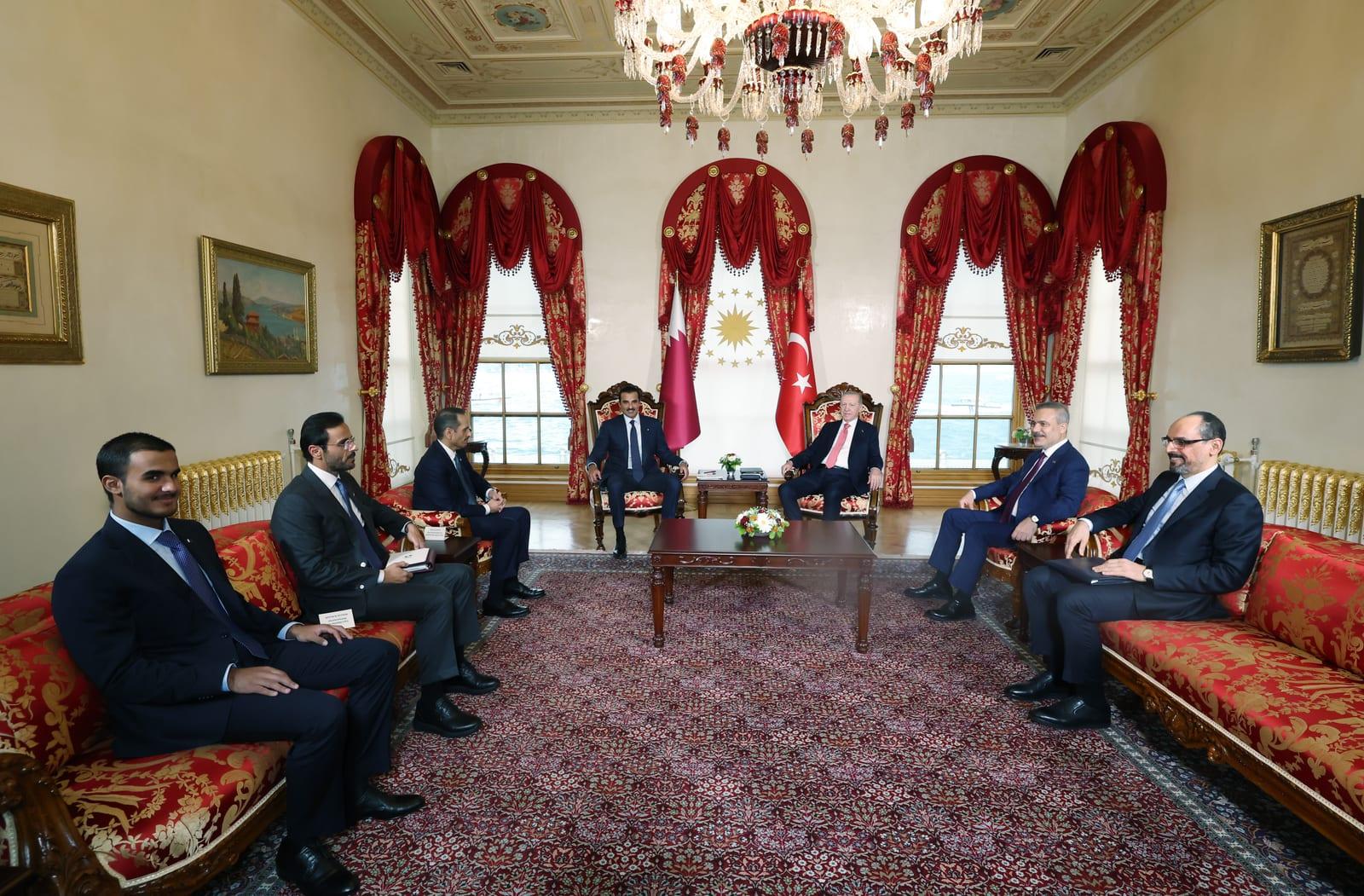
Turkey and Qatar signed a defence cooperation agreement in 2014, and Turkish forces have been stationed in Qatar since the middle of that decade, under a combined joint force command at the Tariq bin Ziyad base near Doha. The deployment grew after the 2017 Gulf diplomatic crisis, when several of Qatar's neighbours cut ties with it and Ankara stood by Doha.
The two countries have signed several defence agreements since then. What sets Friday's apart, according to Middle East Eye, is that it obliges each country to come to the other's defence. The full text has not been published and neither government has released its operative clauses, so the precise scope of that commitment is not yet known.
“Will add a new dimension to relations between Turkiye and Qatar.”— Office of the Turkish President
The timing fits a wider pattern in Turkey's diplomacy this year, and one agreement from the summer is the clearest comparison.
A Second Gulf Pledge in Three Months
In August, Turkey, Saudi Arabia and Pakistan signed a joint defence agreement in Mecca under which an attack on one party is treated as an attack on all. Turkey's parliament has just ratified that pact. Friday's agreement with Qatar is a separate, bilateral commitment, and it gives Ankara formal security ties with two of the Gulf's most influential states within three months.
For Qatar, which has hosted Turkish troops for a decade and sits at the centre of the world's gas trade, the agreement turns long-standing cooperation into a written guarantee. For Turkey, it anchors a military presence that began as a training arrangement in a formal alliance.
What matters most now is the stated purpose. Both governments say they signed it to keep war from returning to the Gulf, and the clearest measure of the pact will be a region that stays at peace.
A Decade to a Defence Pledge
The Brief
Stay curious
AI and technology: what changes and why it matters.
Your daily selection, in English or Spanish.
Free forever. Unsubscribe anytime.
More stories

Conversation
Start the conversation