
 The Specialty News
Treasury Exploits Loophole to Put Trump on $1 Coin, Shattering 100-Year Norm
The U.S. Mint hasn't stamped a living president on legal tender since 1926. A hyper-specific legal caveat just ended the streak.
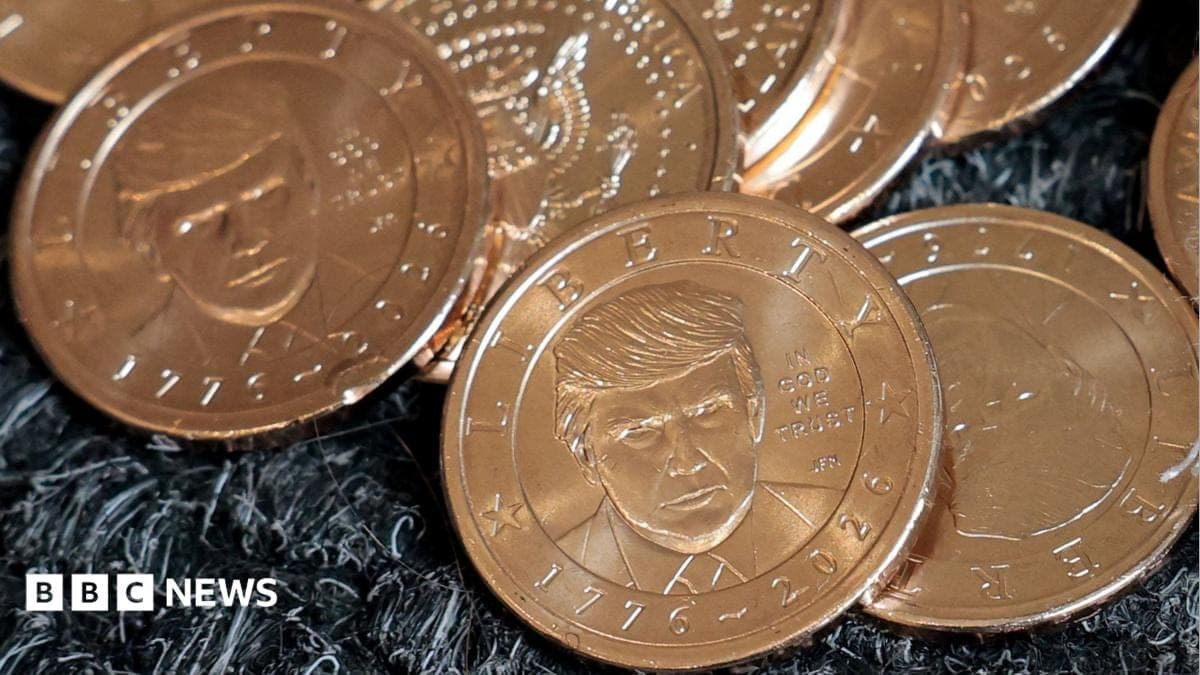
An obscure 2020 law explicitly forbade the U.S. Mint from placing a living person on the back of the nation's 250th-anniversary coins. So they stamped President Donald Trump on the front. This geographic loophole just shattered a century-old American norm, turning the U.S. Treasury into a machine for presidential branding.
The Typo That Minted a Presidency
Since George Washington refused to let his face appear on early coinage—calling the practice too close to the British monarchy he had just defeated—the United States has fiercely protected the visual independence of its money. An 1866 statute even codified the ban on living leaders into federal law. But when Congress passed the bipartisan Circulating Collectible Coin Redesign Act in 2020, lawmakers included a highly specific prohibition: no living person could appear on the reverse of the semiquincentennial coins. Treasury Secretary Scott Bessent seized on the exact letter of the text. By directing Chief Engraver Joseph Menna to sculpt Trump's likeness for the obverse—the heads side—the administration bypassed a 160-year legal wall on a simple technicality.
The resulting coin is 88.5 percent copper, stamped with the words "LIBERTY" and "IN GOD WE TRUST" beside a portrait based on an official White House photograph. Yet it operates less like traditional currency and more like a limited-edition sneaker drop. The government is charging a 144 percent markup for actual legal tender, selling rolls of 25 coins for $61 and bags of 100 for $154.50. They have even gamified the national money supply, randomly seeding 250,000 "chase" variants struck on July 4th into customer orders. Demand has been staggering, but the administration is defending the move as historical rather than commercial.
The Coolidge Defense
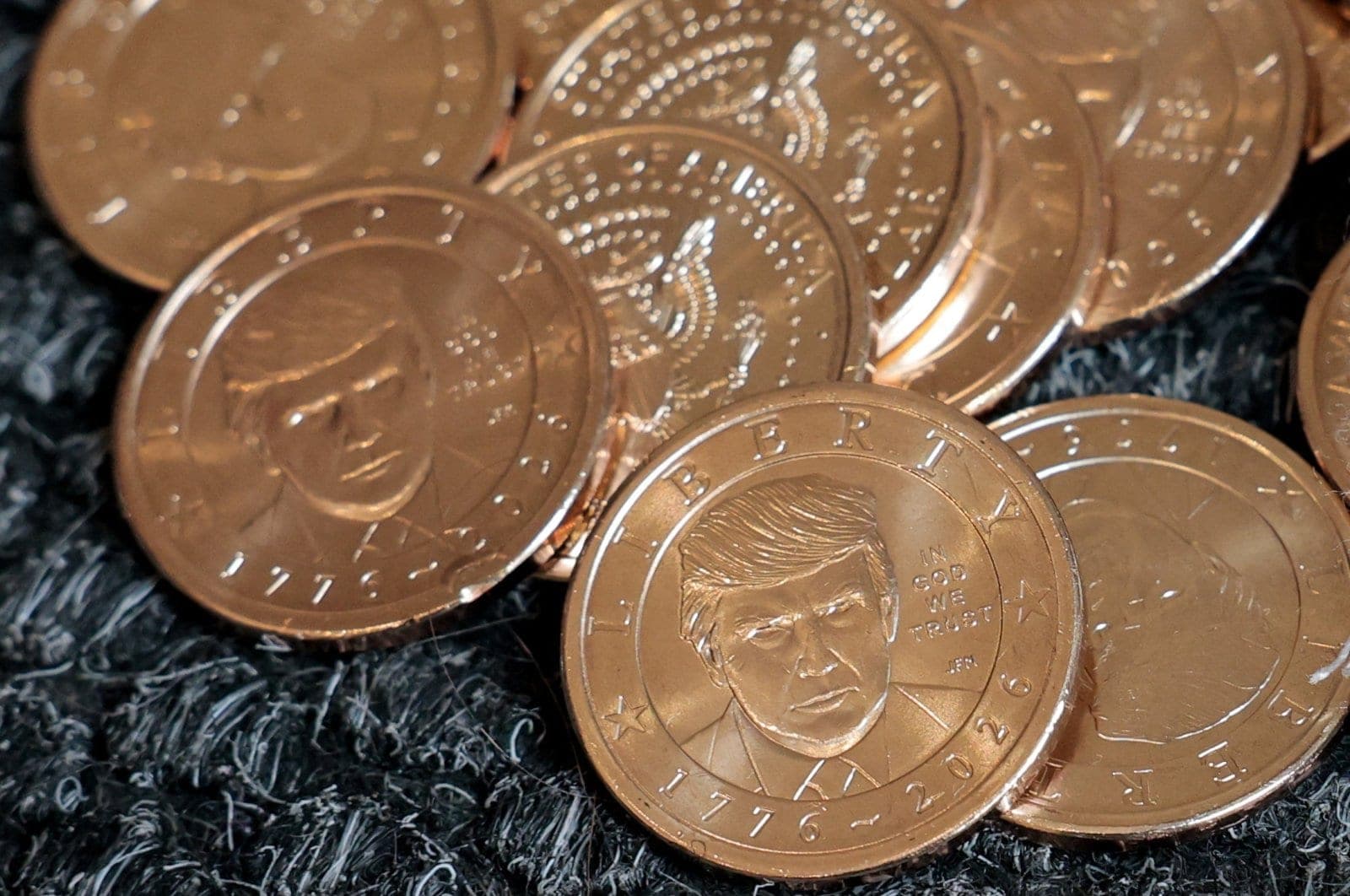
To justify this unprecedented production run, Bessent reached back to the Jazz Age. The Treasury Secretary pointed to a 1926 half-dollar celebrating the nation's 150th birthday, which featured the likeness of Calvin Coolidge.
“During the 150th there was a Calvin Coolidge coin. So we can put living presidents' images on a coin.”— Treasury Secretary Scott Bessent
For the administration, that single century-old exception is all the legal cover required to press forward. Trump, who previously called the idea of appearing on a coin "very unusual," has fully embraced the honor, watching as his personal brand merges with the permanent institutions of the state. The coins officially launched on September 2 and immediately sold out of their initial stock on the U.S. Mint website, proving the sheer financial gravity of the President's endorsement.
The backlash in Washington is mounting. Anticipating this exact maneuver, Senators Catherine Cortez Masto and Jeff Merkley introduced legislation in late 2025 to explicitly close the loophole. They argued that placing a living executive on circulating money contradicts American democratic values, viewing it as a dangerous slide toward autocracy. Their legislative effort stalled, leaving the Mint free to ship out 9 million of the special edition coins. But the skeptics' real panic isn't about the copper-and-zinc pieces flooding out of D.C. vending machines. It is about what the Treasury prints next.
Testing the Paper Ceiling
The $1 coin is increasingly looking like a trial balloon for a much larger ambition. The 2020 collectible act only applies to metal coinage, leaving paper money strictly bound by the original 1866 ban. Yet Bessent is already floating the creation of a new $250 paper bill featuring the President's portrait, alongside a push to place Trump's signature directly above his own on newly printed cash.
If the administration attempts to push paper fiat money through a similar legal gauntlet, it will almost certainly trigger immediate court battles and constitutional challenges. A special-edition coin can arguably be written off as a novelty collectible for die-hard supporters, but paper bills represent the undisputed, everyday baseline of the American economy. If they succeed, future presidents of both parties will inevitably view the U.S. Mint as just another promotional arm for their administrations. The barrier between presidential statecraft and retail merchandising hasn't just been breached. It is being prepared for mass circulation.
What people are saying

“🚨BREAKING: PRESIDENT TRUMP JUST BROKE A RULE THAT HELD FOR OVER 100 YEARS. A $1 gold coin featuring Donald Trump goes on sale today. That makes him the first living person to appear on US currency in more than a century. Read that again. Not first sitting president. First”
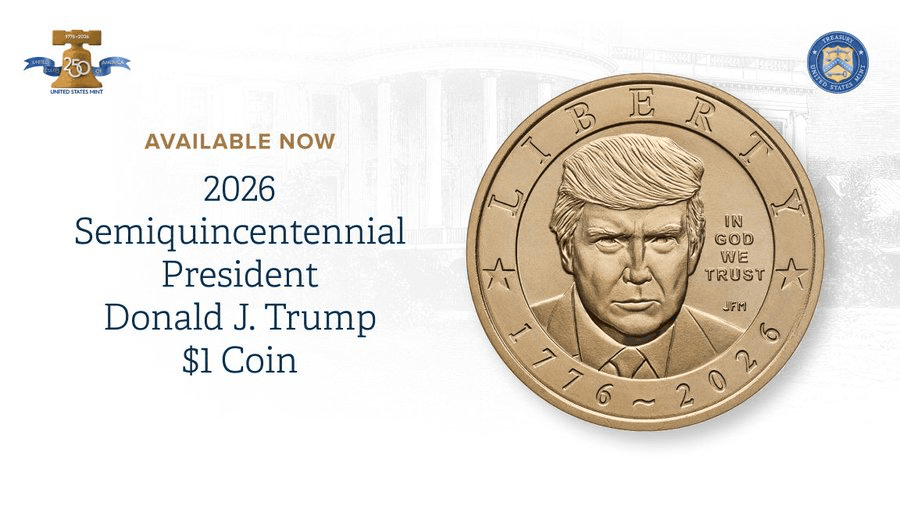

“Available for purchase today at 12PM ET: 2026 President Donald J. Trump $1 Coin. These coins are also in circulation, so check your pocket change. Collect them today! #CoinCollecting #America250”
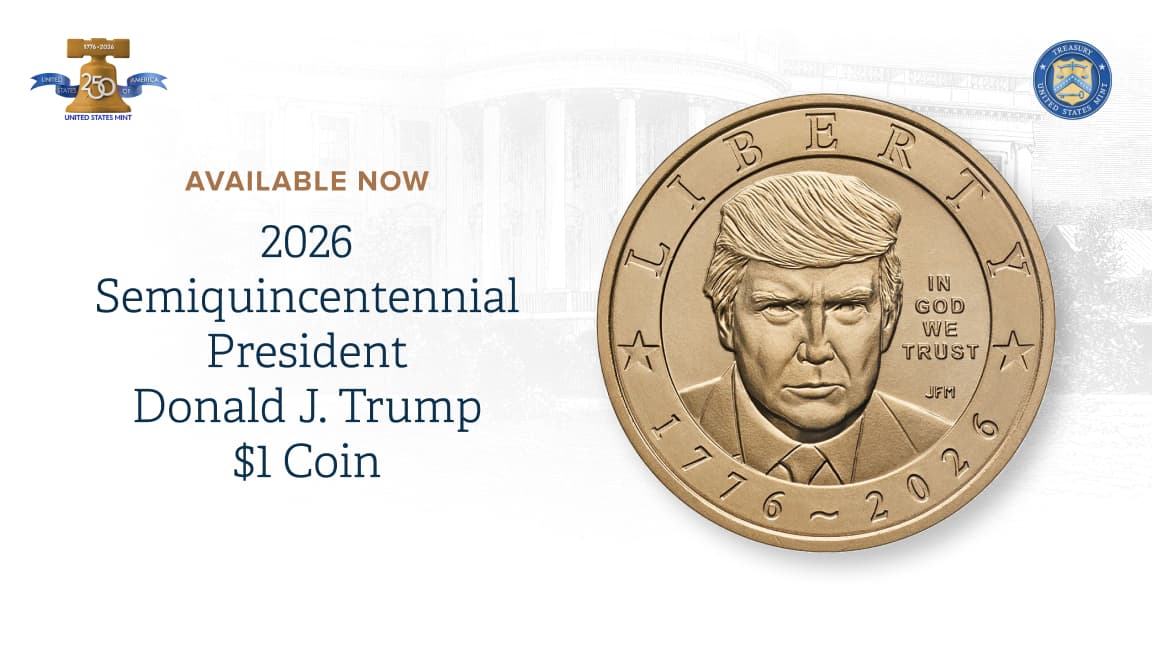

“TODAY: 🇺🇸President Trump LANDS on U.S. currency as the U.S. Mint begins selling new Trump $1 COINS at noon ET. Collectors can buy 25-coin rolls for $61 or 100-coin bags for $154.50. Hidden among them are 250,000 special coins struck on July 4. The legal-tender coins feature”
How Treasury Broke a 160-Year Norm
The Brief
Stay curious
AI and technology: what changes and why it matters.
Your daily selection, in English or Spanish.
Free forever. Unsubscribe anytime.
More stories





Conversation
Start the conversation