
 The Specialty News
The Pentagon Carries a $285B Maintenance Deficit as Sewage Floods Barracks
Defense Secretary Pete Hegseth is hunting "Soviet-style" bureaucracy, but the military's crumbling domestic infrastructure is a thoroughly American failure of accounting.

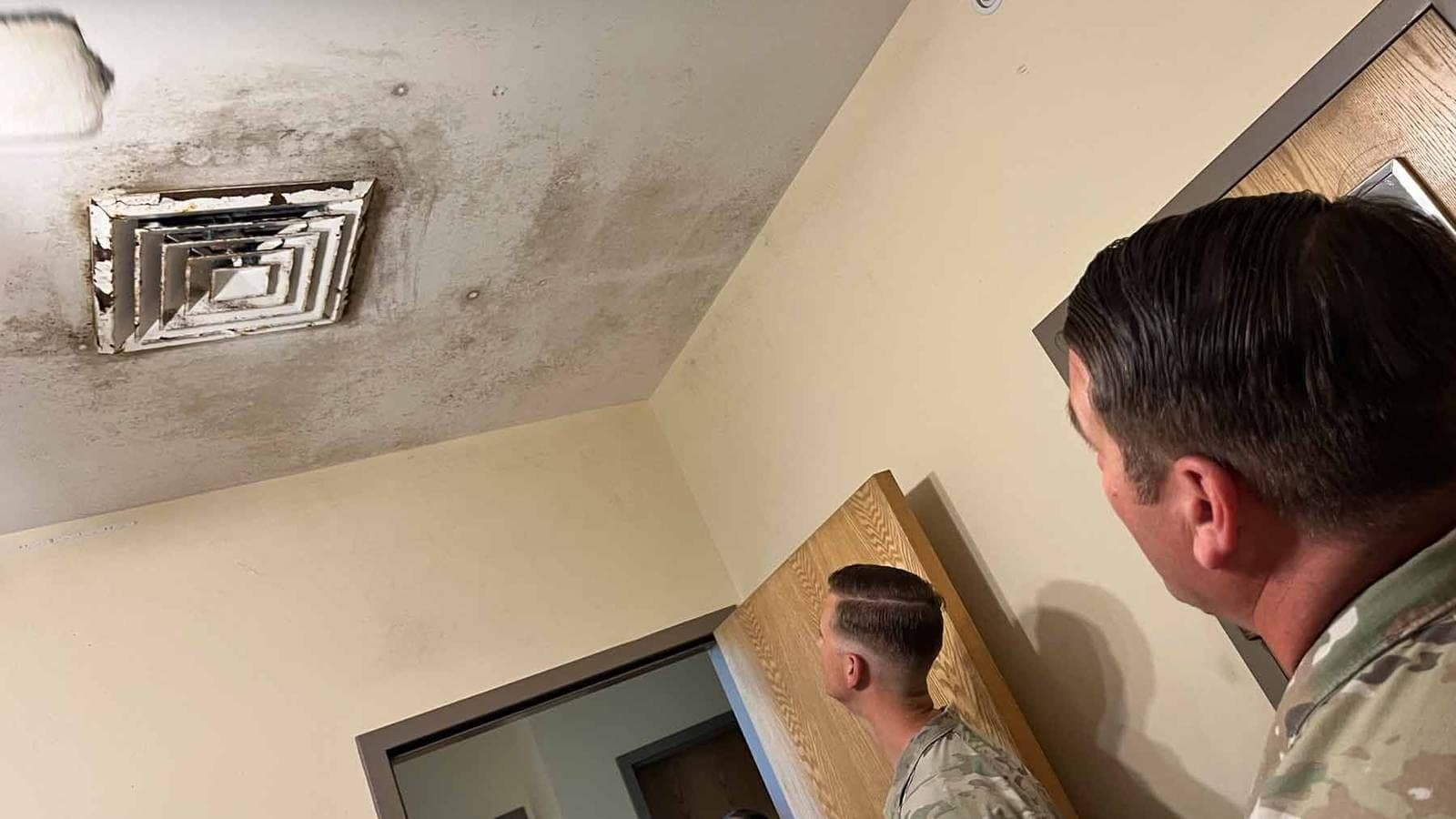
At Joint Base San Antonio, 5,200 American service members had to be evacuated from their own barracks because the housing was overwhelmed by mold and backed-up sewage. While Defense Secretary Pete Hegseth scours the Pentagon for what he calls "Soviet-style bureaucracy," the U.S. military is functioning as a massive, negligent property manager. The defense budget is climbing toward $1.5 trillion to fund active operations and next-generation weapons, but the military cannot keep the roofs from leaking at home.
The GDP of New Zealand in Broken Plumbing
The contrast is stark. Hegseth entered office comparing the Pentagon's internal machinery to the "five-year plans" of the Soviet Union. But the rot inside military infrastructure is a distinctly American accounting choice. According to a severe August 2026 Government Accountability Office report, the deferred facility-maintenance requirement for the fiscal year has ballooned to a record high.
That figure is roughly equivalent to the entire gross domestic product of New Zealand. It isn't buying next-generation stealth bombers or funding the ongoing 2026 conflict with Iran. It is strictly the cost of fixing failing HVAC systems, leaking roofs, and ruptured pipes across 736,000 military buildings. A third of these structures are over 50 years old.
The conditions have deteriorated so severely that at Fort Hood, the backlog of repair requests hit 1,000, forcing active-duty airmen to fix the air conditioning themselves. In the Washington D.C. area, investigators even found squatters living in unsecured vacant barracks. The immediate question is how the wealthiest military organization on earth systematically ran out of money for basic upkeep.
Buying Fighters, Deferring Roofs
The answer lies in the Pentagon's procurement structure. The military operates on a cycle that aggressively rewards funding active operations and purchasing new defense systems over replacing half-century-old plumbing. The ongoing 2026 conflict with Iran has already demanded nearly $40 billion in upfront supplemental funding. Maintaining an aging domestic barracks simply cannot compete with a shooting war.
The GAO report quantified exactly how this happens. The Defense Department explicitly aims to fund 90% of its maintenance needs but historically only hits 80%. Leadership intentionally defers the rest for higher military budget priorities, quietly accepting the risk that troops will eventually end up living in unsafe conditions.
“You have to question whether the resources are being allocated in a way that provides maximum benefits.”— Linda Bilmes
This structural neglect has created a crisis that standard federal hiring cannot fix. Rigid hiring rules and uncompetitive federal pay have left domestic bases with a severe shortage of civilian plumbers, electricians, and HVAC technicians. Hegseth wants to bypass that administrative friction, but his proposed solution sets up a massive collision with the department's financial realities.
A $1.2 Billion Band-Aid
Recognizing the severity of the housing crisis, Hegseth established a Barracks Task Force, deploying $1.2 billion to bypass standard hiring freezes and bring in private contractors. The immediate goal is to tackle the worst 81 barracks across the military branches. It is a classic Hegseth maneuver: ignore the established bureaucratic process and throw private-sector urgency at the problem.
Skeptics point out the underlying math. A $1.2 billion task force is a rounding error against a $285 billion deficit. Furthermore, the Defense Department has failed its financial audit for seven consecutive years. Pumping private contractor money into a system that fundamentally undervalues domestic infrastructure might patch a few roofs, but it leaves the incentive structure untouched.
The crisis forces a harsh reckoning on what military readiness actually means. A military preparing to project power across the globe first has to figure out how to keep the sewage out of the barracks at home.
What people are saying

“EXCLUSIVE: Pentagon's NATO review preparing troop options for Hegseth by November 6”

“Scoop by @phildstewart @reuters: A Pentagon review of U.S. troop deployments in Europe will create at least four sets of options for Hegseth by November 6.”

“After being told we were fired for insubordination, my colleagues and I today filed a lawsuit in federal court against the Defense Department, Pete Hegseth, Sean Parnell and Andrew Brey seeking to protect our First Amendment rights. Everyone deserves the right to a free and”
Funding War Over Fixing Bases
The Brief
Stay curious
AI and technology: what changes and why it matters.
Your daily selection, in English or Spanish.
Free forever. Unsubscribe anytime.
More stories





Conversation
Start the conversation