
 The Specialty News
Gen Z Pours $3.9B Into Kalshi's NFL Loophole — and Casinos Are Panicking
A federal classification allows 18-year-olds banned from DraftKings to trade sports "derivatives" like Wall Street assets.

An 18-year-old college freshman barred by state law from opening a FanDuel account can legally wager millions on NFL point spreads from their dorm room, provided they call the bet a "financial derivative." By treating sports outcomes as tradable commodities, young Americans have bypassed state gambling ages entirely.
The College Dorm Trading Floor
Noah Zingler-Sternig didn't wait until he was 21 to start taking positions on live sports. He began trading prediction markets in high school, eventually pulling in over $100,000 to cover his tuition at the University of Wisconsin-Madison. For highly online young adults, the legal distinction between day trading and sports betting is a relic. If you can buy fractional shares of GameStop on a brokerage app at 18, they reason, you should be able to buy shares in the Kansas City Chiefs covering the point spread.
The scale of this regulatory arbitrage is massive. Out of the $5.4 billion traded on the prediction market Kalshi this year by adults aged 18 to 21, an estimated $3.9 billion went specifically toward sports contracts and parlays. That is enough money to buy the Las Vegas Raiders outright, wagered entirely by a demographic legally forbidden from betting a single dollar on traditional sportsbooks. Yet for Kalshi, this youth movement is barely a rounding error, making up just 3.14% of the platform's $173 billion overall trading volume.
Capturing the 18-to-20 demographic provides Kalshi with a three-year head start to acquire users before legacy sportsbooks are legally allowed to verify their accounts. Legacy casino executives are watching billions in action bypass their gates, and they have decided to fight back.
Wall Street Meets the NFL
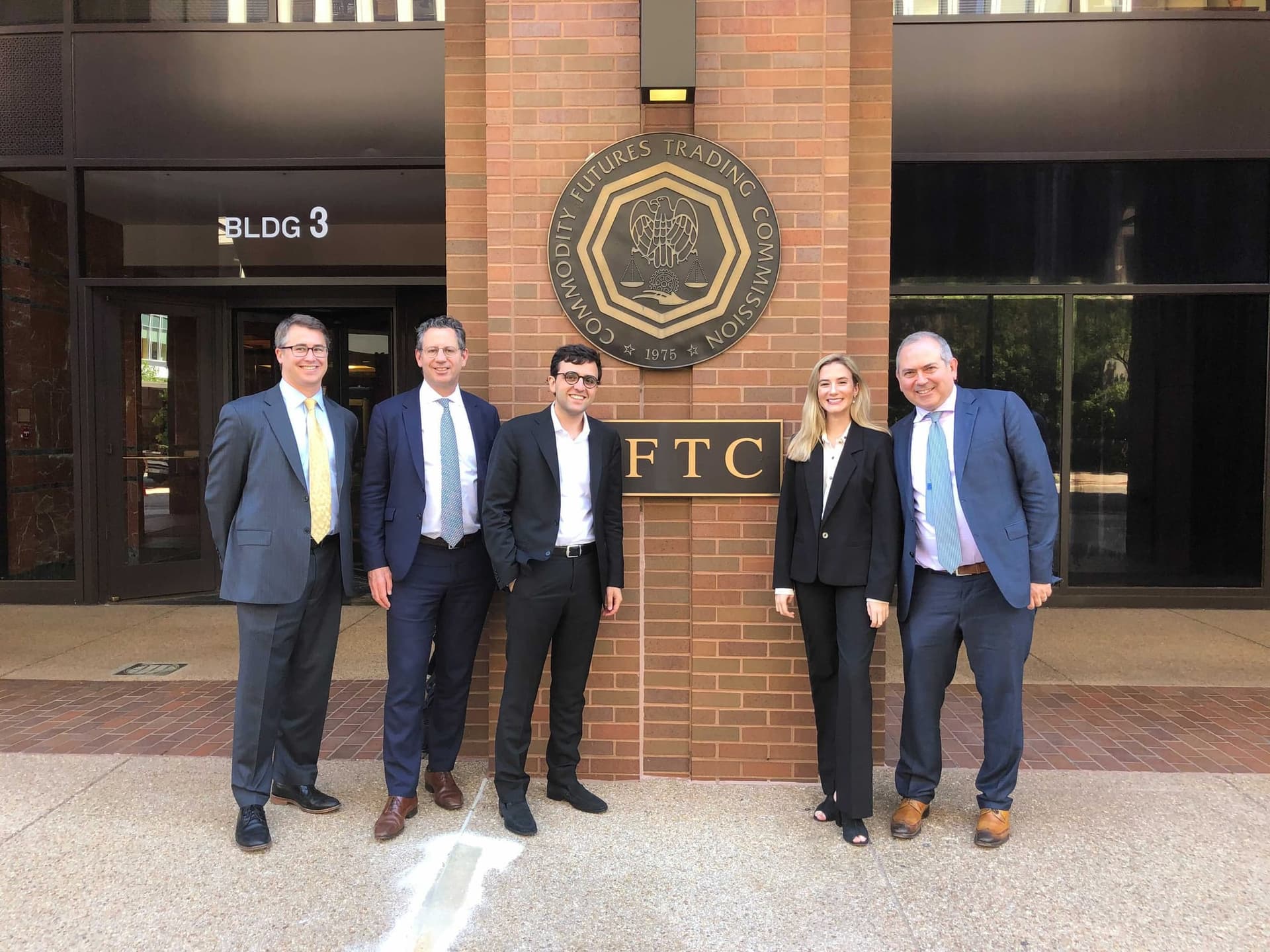
The American Gaming Association, the lobbying arm of the traditional casino industry, views prediction markets as an existential threat masquerading as a financial exchange. AGA President Bill Miller has launched a public war against the platforms, weaponizing a recent CNN data analysis of the Gen Z windfall to alert regulators.
“Most parents and grandparents don't realize that the 'prediction markets' are offering a backdoor into sports-betting in jurisdictions where the legal betting age is 21.”— Bill Miller
Kalshi CEO Tarek Mansour dismisses the casino industry's panic. Mansour built Kalshi as a federally regulated peer-to-peer marketplace overseen by the Commodity Futures Trading Commission. Because Kalshi matches buyers and sellers rather than taking the opposite side of a user's bet, the company argues the platform is structurally safer than a traditional sportsbook. It is an exchange, not a house.
This framing shifts the battleground from state capitals to Washington. The platform operates under the same age requirement as the stock market, banking on the premise that federal financial regulation overrides local gambling restrictions. But state regulators are refusing to cede their authority over American wagering.
The House vs. The Feds
A coalition of 44 state attorneys general, backed by the NCAA, NFL, and traditional casinos, is attempting to drag Kalshi out of the federal financial sandbox and into state gambling courts. They are advancing lawsuits, including a recent push in the Ninth Circuit, to strip sports contracts off federally regulated prediction sites entirely. Their argument is simple: an NFL parlay is an unlicensed casino game regardless of the Wall Street terminology attached to it.
Kalshi and its defenders counter that prediction markets are a legitimate financial tool that allows young adults to learn risk management through public participation. They view the platform's growth not as a loophole, but as the inevitable financialization of everyday information. The outcome of this legal showdown will determine who controls the future of American wagering.
Legacy casinos spent years building regulatory walls around their industry, only to realize the next generation of bettors just walked through the front door of a different federal agency. The house always used to win, but Wall Street just discovered that the most lucrative new asset class is an 18-year-old with a hunch.
What people are saying

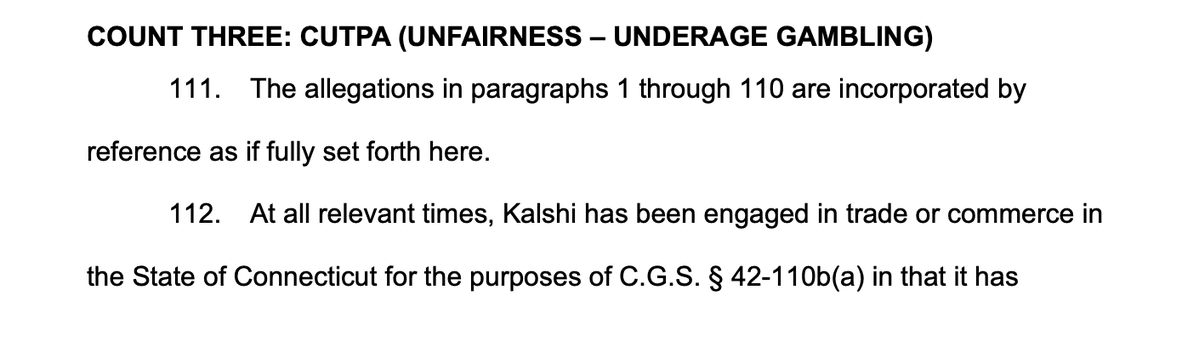
“Underage gambling claim: “By permitting those under age 21 to create accounts and place sports wagers, . . . Kalshi has violated the public policies against gambling by minors. Kalshi’s aforesaid acts and practices are oppressive, unethical, immoral, and/or unscrupulous.””

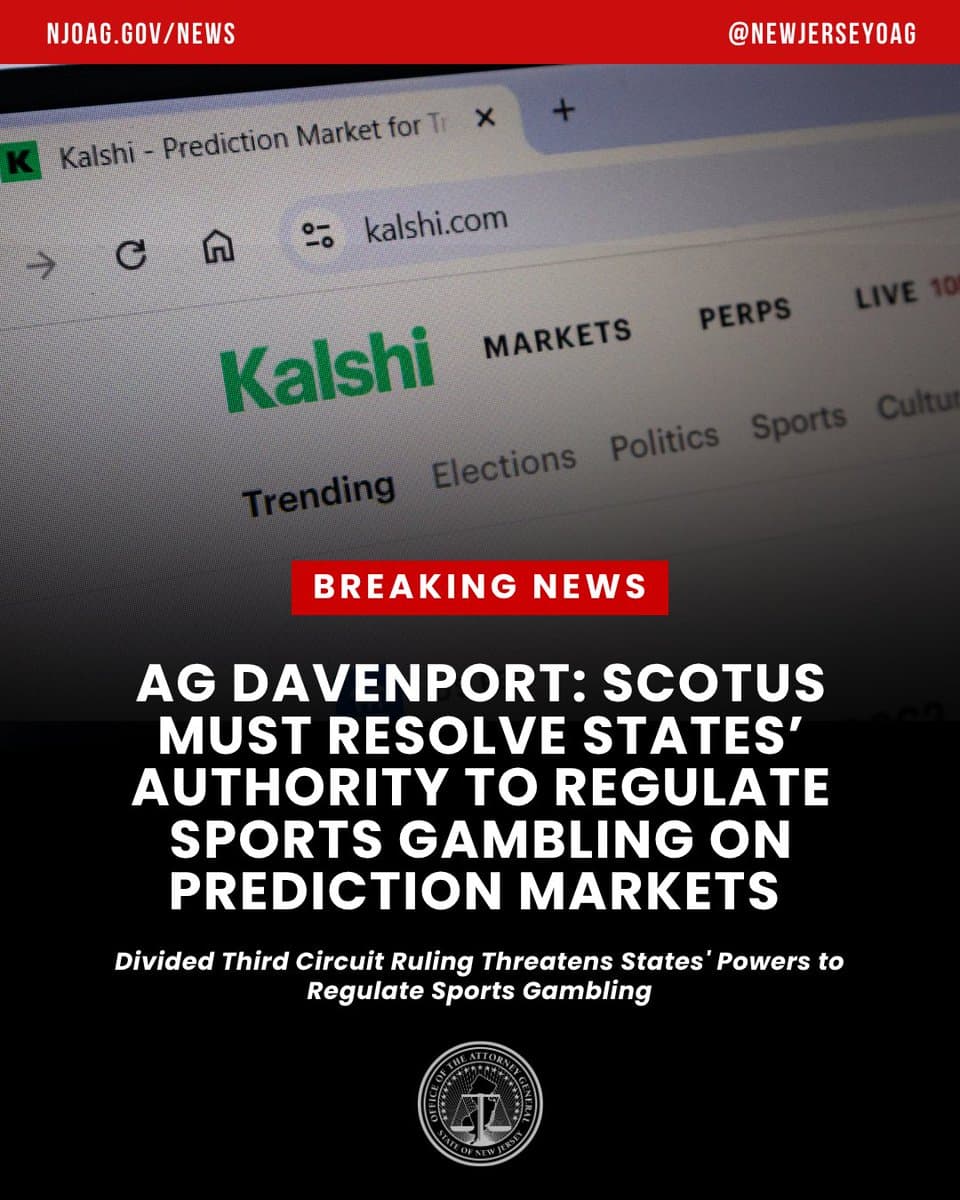
“Companies like Kalshi claim to offer legal sports betting in every state — but refuse to follow the gambling laws of any state. We need the Supreme Court to resolve this issue and recognize that Congress did not silently make the sports-betting industry immune from state law.”

“There's now a federal circuit split on sports prediction markets, making the odds higher for U.S. Supreme Court review. The 9th Circuit says Kalshi offerings are sports bets in substance, regardless of name. My @Sportico column on what this all means:”
Gen Z's $3.9B Betting Loophole
The Brief
Stay curious
AI and technology: what changes and why it matters.
Your daily selection, in English or Spanish.
Free forever. Unsubscribe anytime.
More stories






Conversation
Start the conversation