
 The Specialty News
Bitcoin Holds $78K as U.S. Strikes Iran — and the "Risk Asset" Narrative Fractures
While retail investors fled to safety, Michael Saylor bought a fresh $370 million batch at $80,318 a coin—a massive premium over the spot price.

Over the weekend, U.S. Central Command struck Iranian rocket launchers on Larak Island, sending global equities tumbling and Brent crude oil past $90 a barrel. Spot Bitcoin ETF investors followed the traditional playbook, pulling $201.9 million in a flight to safety. But the asset itself barely moved, holding the $78,000 line and quietly closing out a 24% monthly gain.
A Divergence in the Data
Traditional markets reacted to the Larak Island strikes exactly as textbooks dictate. Brent crude spiked as U.S. forces targeted Iranian rocket launchers preparing to deploy mines in the Strait of Hormuz. Stock indexes bled red. Retail investors pulled capital out of spot Bitcoin ETFs, treating the cryptocurrency like a volatile tech stock that needed to be liquidated at the first sign of armed conflict.
Yet the price of Bitcoin refused to collapse. Instead of following the S&P 500 downward, it tracked alongside gold, which also logged a 10% monthly gain.
The resilience stems from a massive structural shift in who is holding the asset and why. While retail traders were fleeing, Michael Saylor's firm, Strategy, was accumulating. After a 10-week summer pause used to build a $1.61 billion cash pool, the company re-entered the market. They did not wait for a panic-induced discount. Strategy paid an average of $80,318 per coin—a roughly $2,300 premium over the weekend's spot price.
The firm now holds 845,050 Bitcoin. To picture the scale of that concentration, imagine a single corporation holding one out of every 25 bitcoins that will ever exist. Saylor’s willingness to buy above market rate during a military escalation points to a specific macro thesis, but it faces an immediate, historical headwind.
Buying the Bunker
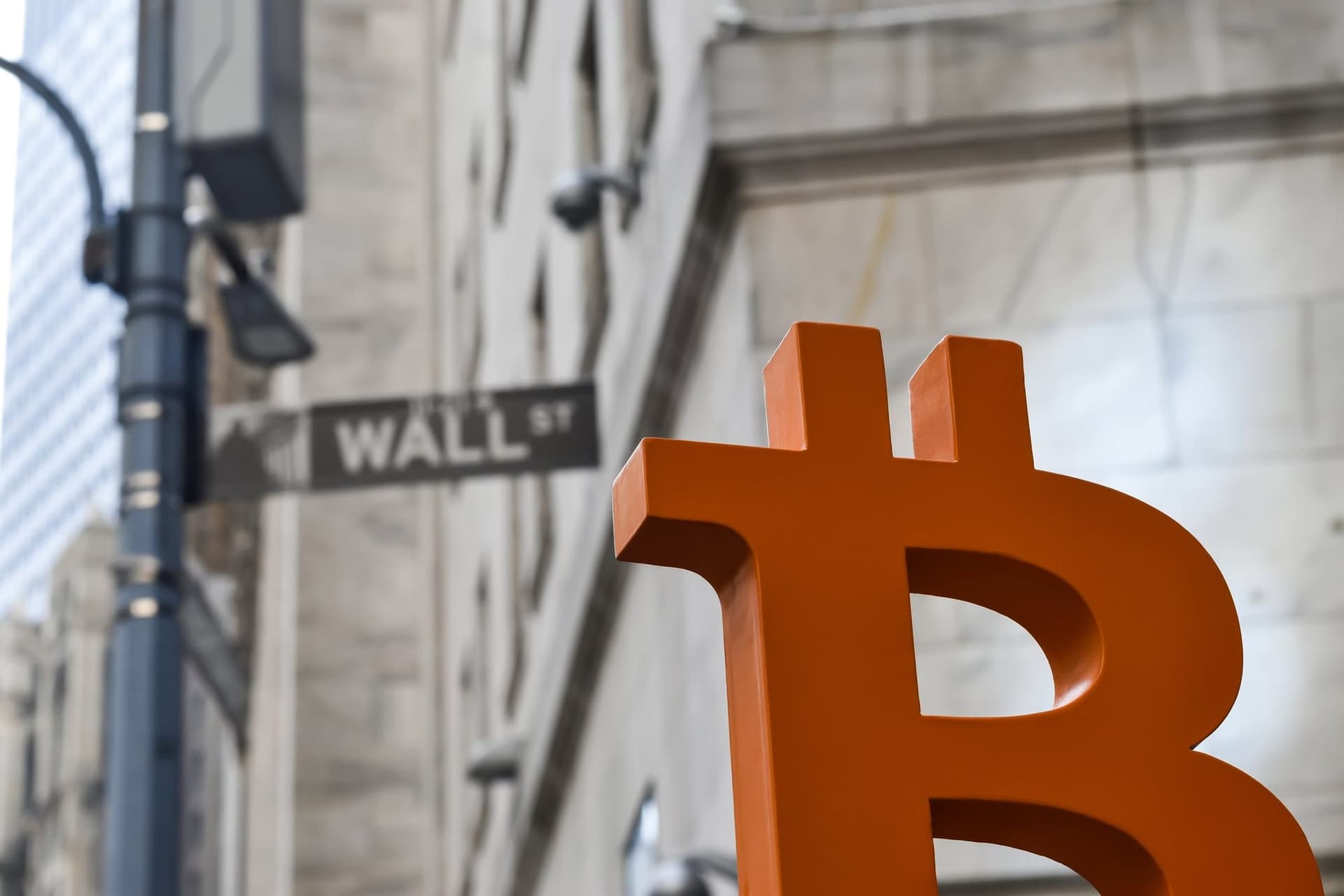
September is notoriously punishing for cryptocurrency markets, and the macroeconomic picture is rapidly complicating. If the conflict in the Strait of Hormuz persists, prolonged high oil prices will inevitably feed back into global inflation. A sudden inflationary spike could force the U.S. Federal Reserve to abandon the interest rate cuts markets had already priced in for the fall.
“Strategy has acquired 4,603 BTC for $370M, increased USD Cash by $29M... bringing Net Leverage to 0.0%.”— Michael Saylor
That tension leaves the market in a precarious standoff. On one side is macroeconomic gravity: traditional finance retreating from risk, rising energy costs, and the looming threat of stubborn inflation. On the other side is a coalition of corporate buyers, including Strategy and Japan’s Metaplanet, aggressively absorbing any available supply to hedge against sovereign currency devaluation.
The next four weeks will test whether unilateral corporate buying can hold a $78,000 support level against a global macro contraction. If it does, the fundamental narrative of the asset will have permanently shifted. Institutional wealth managers are no longer trading a high-beta tech stock; they are pricing in a bunker.
Retail Flees While Saylor Buys
The Brief
Stay curious
AI and technology: what changes and why it matters.
Your daily selection, in English or Spanish.
Free forever. Unsubscribe anytime.
More stories






Conversation
Start the conversation