
 The Specialty News
Isomorphic Labs Raises $5 Billion to Turn AlphaFold Into Medicines
Sequoia and Greenoaks lead the AlphaFold spinout's second round in six months, as more than 20 drug programmes head toward the clinic.
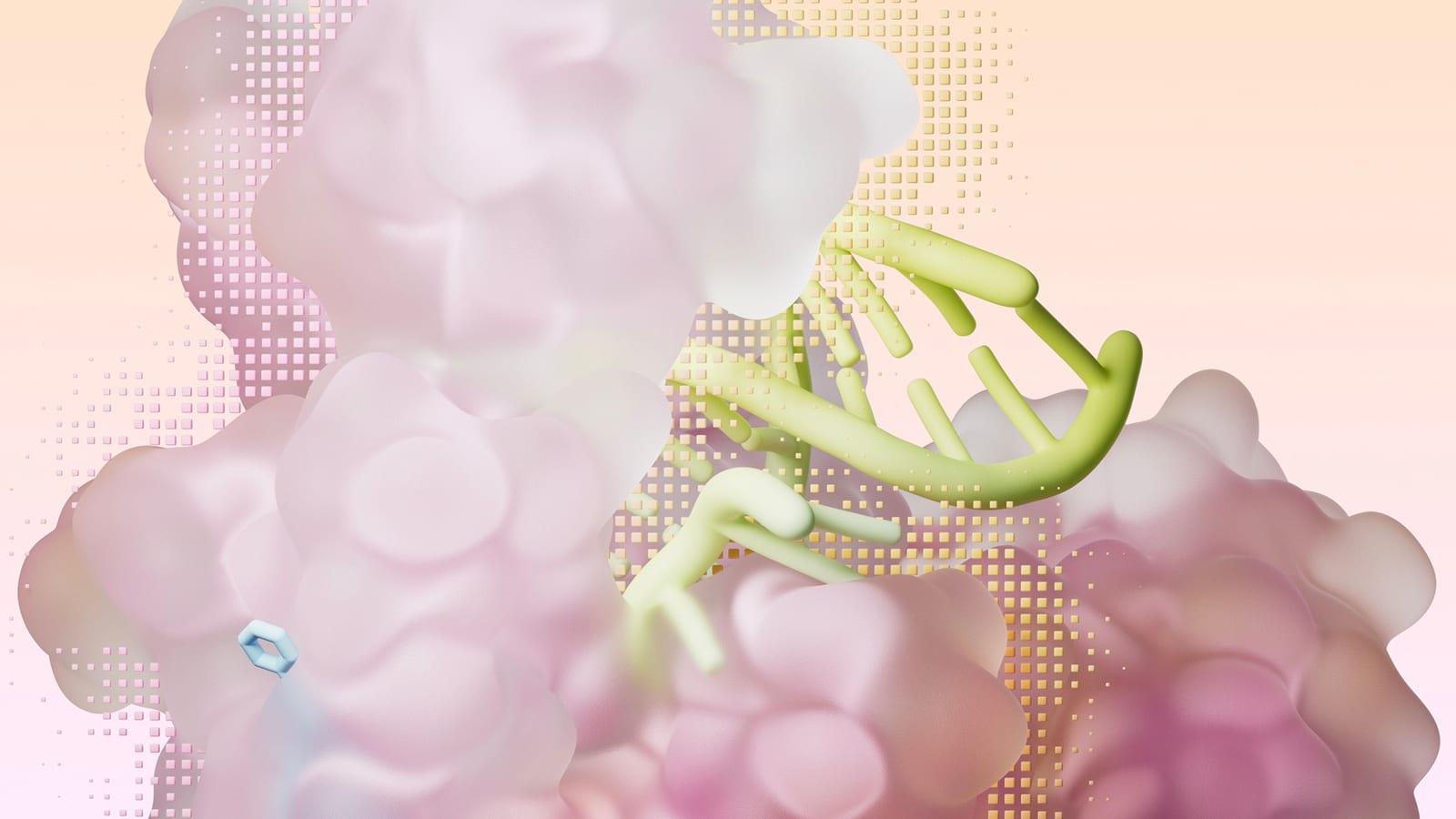
Six months after raising $2.1 billion, Isomorphic Labs has raised $5 billion more. The Series C, announced on November 17 and co-led by Greenoaks and Sequoia Capital, is one of the largest private rounds ever for a company that designs drugs. The bet behind it is simple to say and hard to do: that the science which predicted the shape of nearly every known protein can now design the molecules that fix them, at a pace no lab has managed before.
Two Rounds, Six Months, $7.1 Billion
The new money comes from a long list. Andreessen Horowitz and several other new investors joined the two leads, while existing backers Thrive Capital, MGX, GV, CapitalG, Temasek and the UK Sovereign AI Fund all came back. Alphabet, which spun Isomorphic out of Google DeepMind in 2021, kept up what the company calls a significant investment. Isomorphic says the round was oversubscribed.
The pace is the story. Isomorphic's first outside round, $600 million in March 2025, already looked large for a company with no drug in human trials. Then came $2.1 billion in May 2026, led by Thrive.
Isomorphic did not disclose a valuation. Bloomberg had reported talks at around $50 billion. Either way, the people writing these cheques are paying for something that does not exist yet in any pharmacy. So what exactly are they buying?
Inside the Engine Called IsoDDE
They are buying a machine for designing drugs. Isomorphic grew out of AlphaFold, the DeepMind model that predicts how proteins fold and that won Demis Hassabis and John Jumper a share of the 2024 Nobel Prize in Chemistry. Knowing a protein's shape is the first step. The harder one is designing a molecule that grips that shape in the right place and does nothing else in the body.
That is the job of IsoDDE, Isomorphic's proprietary drug design engine. The company says it is producing positive preclinical results in its own oncology and immunology programmes and with partners, and Hassabis counts more than 20 programmes underway. The partners are among the largest drugmakers on Earth: Eli Lilly, Novartis and Johnson & Johnson.
The new money also widens the target. Isomorphic plans to move beyond small-molecule pills into what Hassabis calls "pretty much all modalities", including large-molecule biologics such as antibodies. Which leaves the question every drug company eventually has to answer: when does the first patient get a dose?
The Road to the First Patient
In January, Hassabis said Isomorphic expected its first clinical trials by the end of 2026. He has not given a new date, but told Bloomberg the company is on track with its regulatory submissions and will have more to announce in 2027. No regulator has yet approved a drug designed by AI, so the first one through will set the template for everyone after it.
“What we're trying to build is a platform to do hundreds of drugs a year”— Demis Hassabis
That ambition is what the $5 billion pays for: compute, chemists, labs and the long, expensive trials that turn a promising molecule into a medicine. Today a single new drug can take more than a decade to reach a pharmacy. Isomorphic's wager is that most of that time is spent searching, and that search is exactly what AI does well.
If it is right, the patients who win are the ones whose diseases were never commercially worth the search. Five billion dollars is a large cheque. A cure found in months instead of years would be worth far more.
From AlphaFold to $7.1B in Months
The Brief
Stay curious
AI and technology: what changes and why it matters.
Your daily selection, in English or Spanish.
Free forever. Unsubscribe anytime.
More stories

Conversation
Start the conversation