
 The Specialty News
Governors of Both Parties Set Six Principles for a Federal AI Law
Maryland's Wes Moore and Utah's Spencer Cox help lead a bipartisan NGA council that wants Washington to handle national AI risks while states keep governing how AI is used.
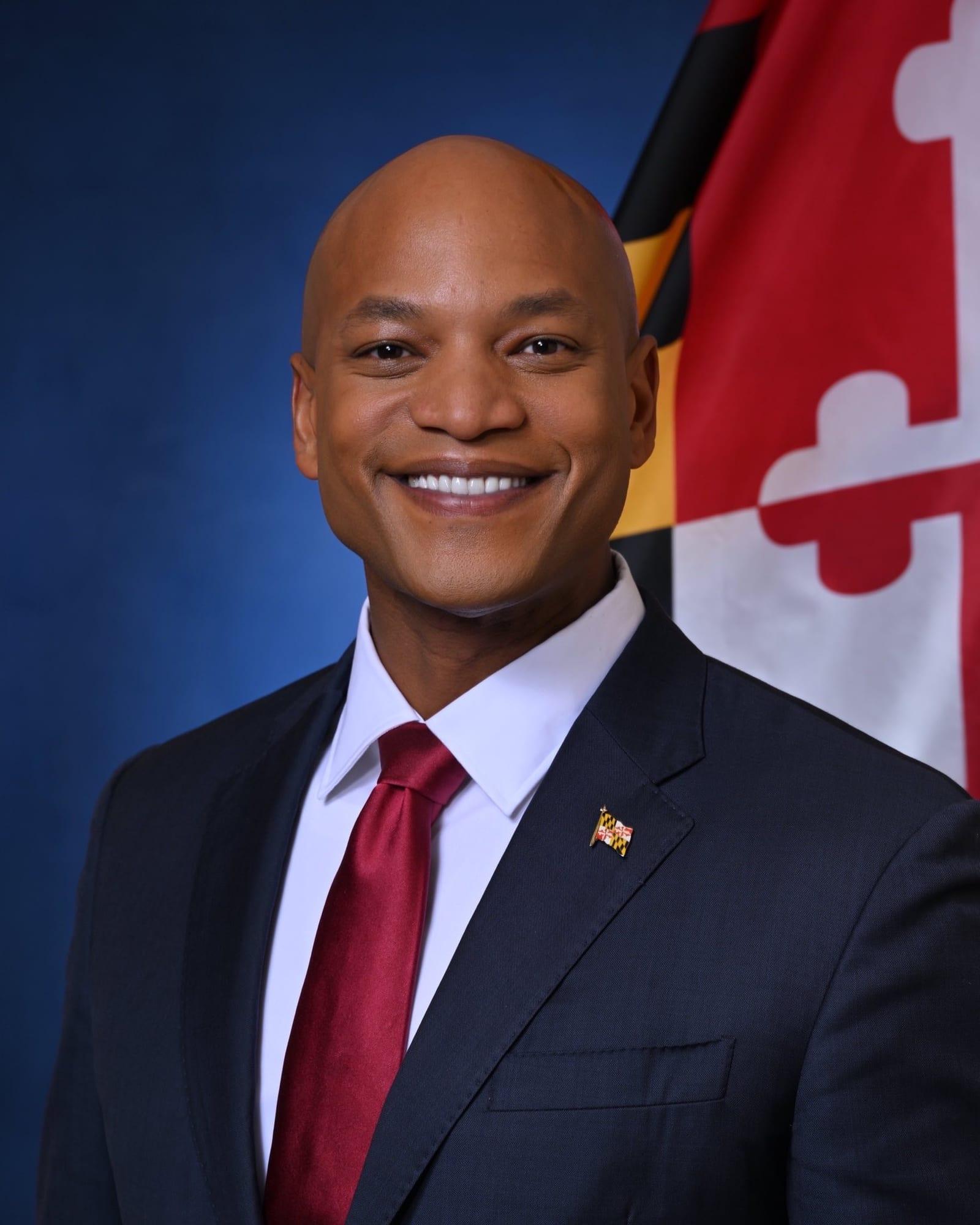
Four governors, two Democrats and two Republicans, put their names on the same AI plan on Sunday. The National Governors Association's bipartisan Governors Council to Secure American AI Dominance asked Congress for federal AI policy built on six priorities, with one clear division of labor: Washington takes the national and international risks, and states keep the power to protect people where AI is actually used. It arrives as Congress weighs how far a federal AI law should reach into the states.
Six Priorities, Signed Across the Aisle
The council is led by NGA chair Wes Moore of Maryland and vice chair Mike Braun of Indiana, with North Carolina's Josh Stein and Utah's Spencer Cox. Moore and Stein are Democrats; Braun and Cox are Republicans.
Their six topline priorities read like a checklist for any bill: advance innovation and protect the public, support workers, set clear and complementary federal and state roles, match safeguards to credible, evidence-based risks, promote consistency while preserving effective protections, and encourage competition and development.
"Governors from across the country agree that AI poses both opportunities and risks," Moore said. Cox put the bipartisan part plainly: "Governors in both parties believe states have a critical role in responsible AI advancement." The most important of the six is the one that says who does what.
Where Washington Ends and the States Begin

The third priority draws the line in one sentence. "The federal government should address national and international risks as AI is developed," it says, "while states retain the flexibility to protect people and govern AI use within their responsibilities as AI is deployed." Building frontier models would answer to Washington. Using AI inside each state would stay with the states.
That split is the answer to a question open for a year. In December 2025, Executive Order 14365 set up a Justice Department task force to challenge state AI laws. In March 2026, the White House sent Congress a national framework asking it to override state rules that impose "undue burdens." In September, 26 state attorneys general wrote to Congress asking it to keep state powers intact. California, Colorado and Texas already have AI laws of their own.
“Governors are calling on the federal government to act to protect the public.”— Josh Stein
Braun said the framework "strikes the right balance" so that innovation and safety both succeed. NGA chief executive Brandon Tatum added that "no federal AI policy will be effective without governors' input."
A Map Congress Can Use
The timing matters. On the same Sunday, Representative Jay Obernolte said his Great American AI Act could pass before the end of the year. The governors' plan has no congressional sponsor yet, so it works as a set of terms that any bill can be measured against.
The people who stand to gain are easy to name. Companies building AI would get one consistent set of national rules on the hardest risks instead of a patchwork. Residents would keep the protections their states already wrote, on everything from how AI is used to who answers when it goes wrong. And Congress gets something rare: a starting point that Democrats and Republicans who run states have already signed.
The governors who will live with how AI gets used have now told Washington, together, where they think the line belongs.
Washington and States Draw AI Lines
The Brief
Stay curious
AI and technology: what changes and why it matters.
Your daily selection, in English or Spanish.
Free forever. Unsubscribe anytime.
More stories






Conversation
Start the conversation