
 The Specialty News
Cerebras Grows Its AI Cloud 272% and Aims to Triple Revenue in 2027
A record $230.9 million quarter, $26.1 billion of signed work and a stock that closed up 11% on Friday.
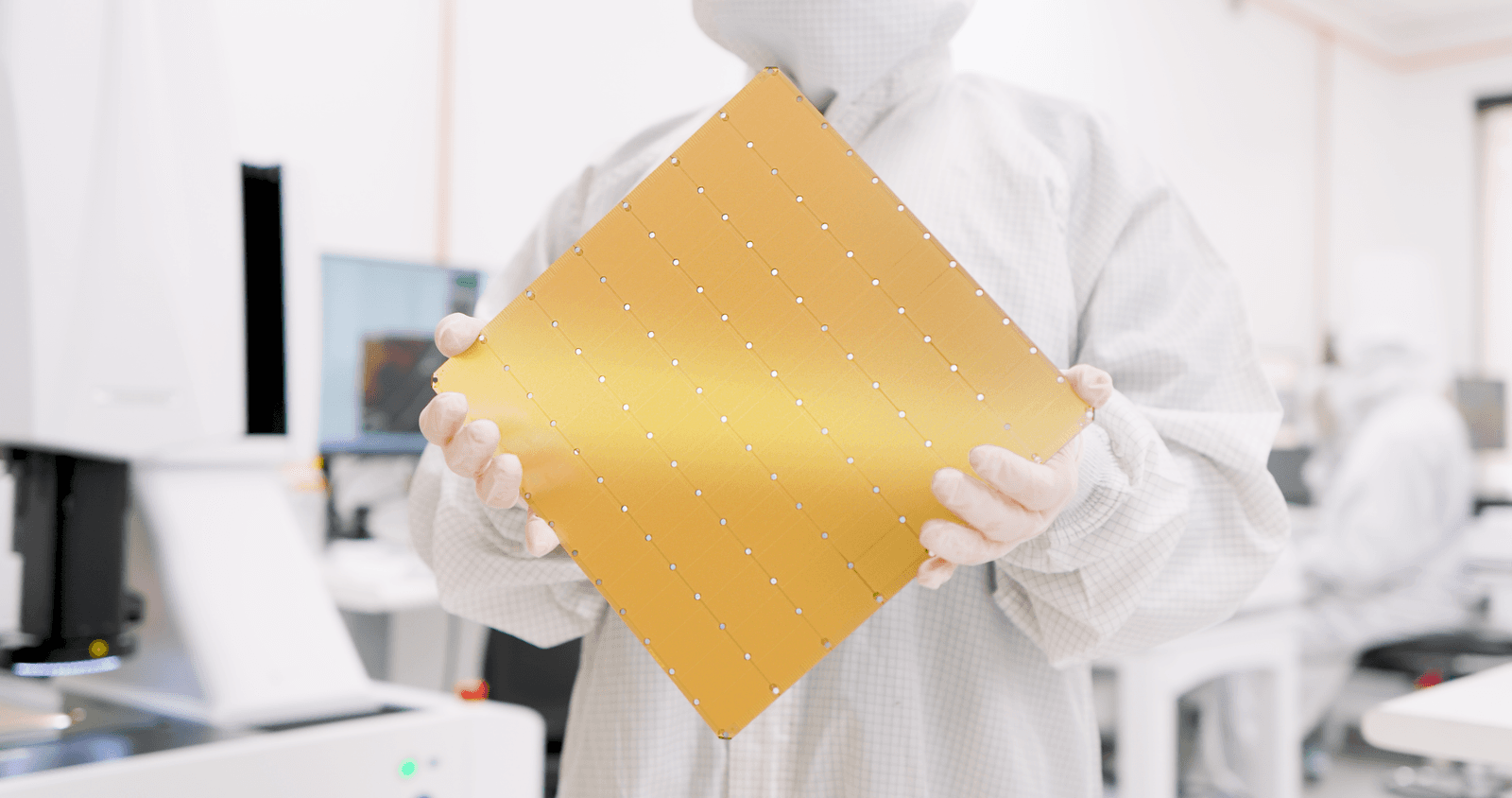
Cerebras sold $144.9 million of cloud computing in the three months to September, 272% more than a year earlier, running AI models on chips the size of a dinner plate. The results, published on November 12, beat the company's own forecast for the third quarter in a row, and on Friday its stock closed up 11.22% at $108.72. For developers who want AI answers that arrive almost instantly, the hardware Cerebras bills as the fastest in the industry is getting easier to rent.
The Dinner-Plate Chip That Became a Cloud
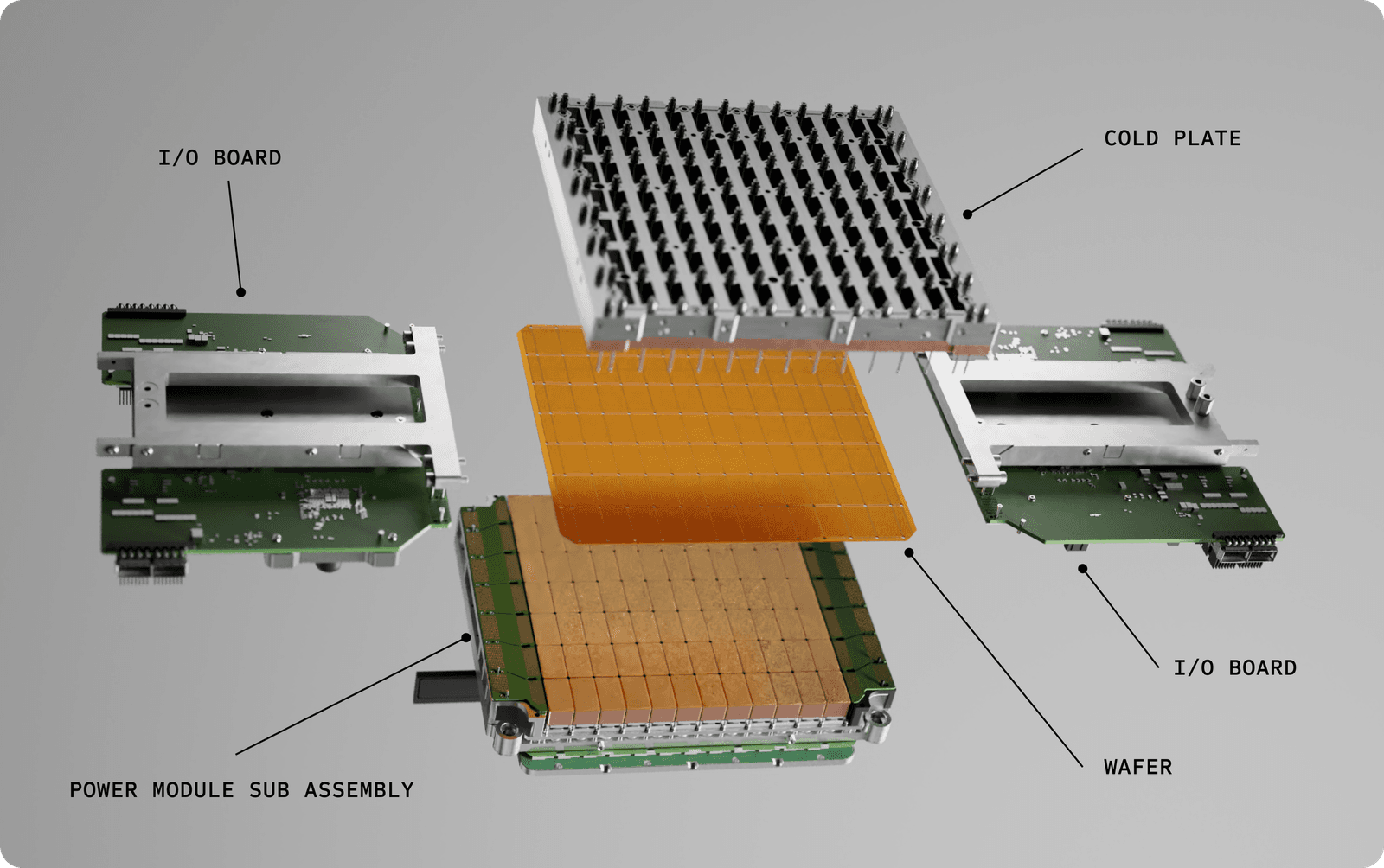
Most AI chips are cut from a silicon wafer by the hundreds. Cerebras keeps the wafer whole: its Wafer Scale Engine is a single processor roughly the size of a dinner plate, built so a model's data never has to travel between separate chips. That design is why it sells speed, and speed is what customers paid for this quarter.
Total revenue under standard accounting (GAAP) reached a record $210.8 million, up 55% from a year earlier. The company's preferred core measure, which strips out non-cash customer warrants, stock pay and data-center pass-through costs, came to $230.9 million, up 70% and about $16 million above the midpoint of its own guidance.
The shift underneath matters more than the beat. Customers increasingly rent Cerebras machines through its cloud instead of buying the systems outright, and that business brought in $144.9 million, almost two-thirds of core revenue. Bob Komin, the finance chief, said the pipeline of customers asking for fast inference grew more than tenfold in the quarter.
The obvious question is who keeps that pipeline busy, and the answer is a list of names that would have sounded unlikely a year ago.
$26.1 Billion of Work Already Signed
Cerebras ended September with $26.1 billion in remaining performance obligations, revenue it has contracted but not yet delivered. That is roughly 27 times the $940 million to $960 million it now expects to book for all of 2026, after raising its full-year outlook.
Oracle is building Cerebras inference into Oracle Cloud Infrastructure, available in 2027. Cerebras also announced a cloud deal with what it called a top-three hyperscaler, with details promised next year. Bilt will run its Neighborhood OS platform and Concierge assistant on Cerebras for eight million consumers and 50,000 businesses.
Serving that demand takes power and factories. Cerebras has secured 700 megawatts of data center capacity for delivery by the end of 2027, signed for more space in Norway and Finland, and expects to leave 2026 with more than ten times the manufacturing capacity it had in January, through contract makers Flex and Sanmina.
The accounts still show what is left to build. Under GAAP the operating margin was minus 106%, and even the core measure was minus 14%. The forecast says that gap is closing fast: for the fourth quarter Cerebras expects core revenue of $310 million to $330 million and a core operating margin between minus 1% and plus 1%, roughly break-even. What will customers do with all that speed? The next machines give a hint.
From 2,000 Tokens a Second Toward 10,000
Speed in AI is counted in tokens, the word fragments a model reads and writes. Cerebras was a day-zero launch partner for Moonshot AI's Kimi K3.1, a 2.8-trillion-parameter open-weight model, which it serves at up to 2,000 tokens per second. That is enough to produce a 1,500-word essay in about a second.
The CS-4 system, unveiled in August, promises up to 30 times faster inference, and the CS-5, aimed at early summer 2027, is designed for up to 10,000 tokens per second per user. Its processor, the Wafer Scale Engine 5, went from tape-out to in-system testing in under five months.
“We exceeded our guidance across the board for the third quarter in a row and delivered sequential improvements on all core financial metrics.”— Bob Komin, CFO of Cerebras
Instant answers change what software can do: coding agents that run dozens of steps while a developer waits, voice assistants without the awkward pause. Andrew Feldman, Cerebras' co-founder and chief executive, says the company expects to triple revenue in 2027, and on Friday investors traded about four times the usual volume of its shares.
The company that refused to cut its wafers into pieces now has $26.1 billion of orders asking for one thing: faster answers.
Cerebras Aims to Triple in 2027
The Brief
Stay curious
AI and technology: what changes and why it matters.
Your daily selection, in English or Spanish.
Free forever. Unsubscribe anytime.
More stories





Conversation
Start the conversation