
 The Specialty News
United Asks AI Agents to Leave the Final Click to Humans
Assistants can still search United's flights and show fares, while buying, changing a trip or spending MileagePlus miles now needs a person.
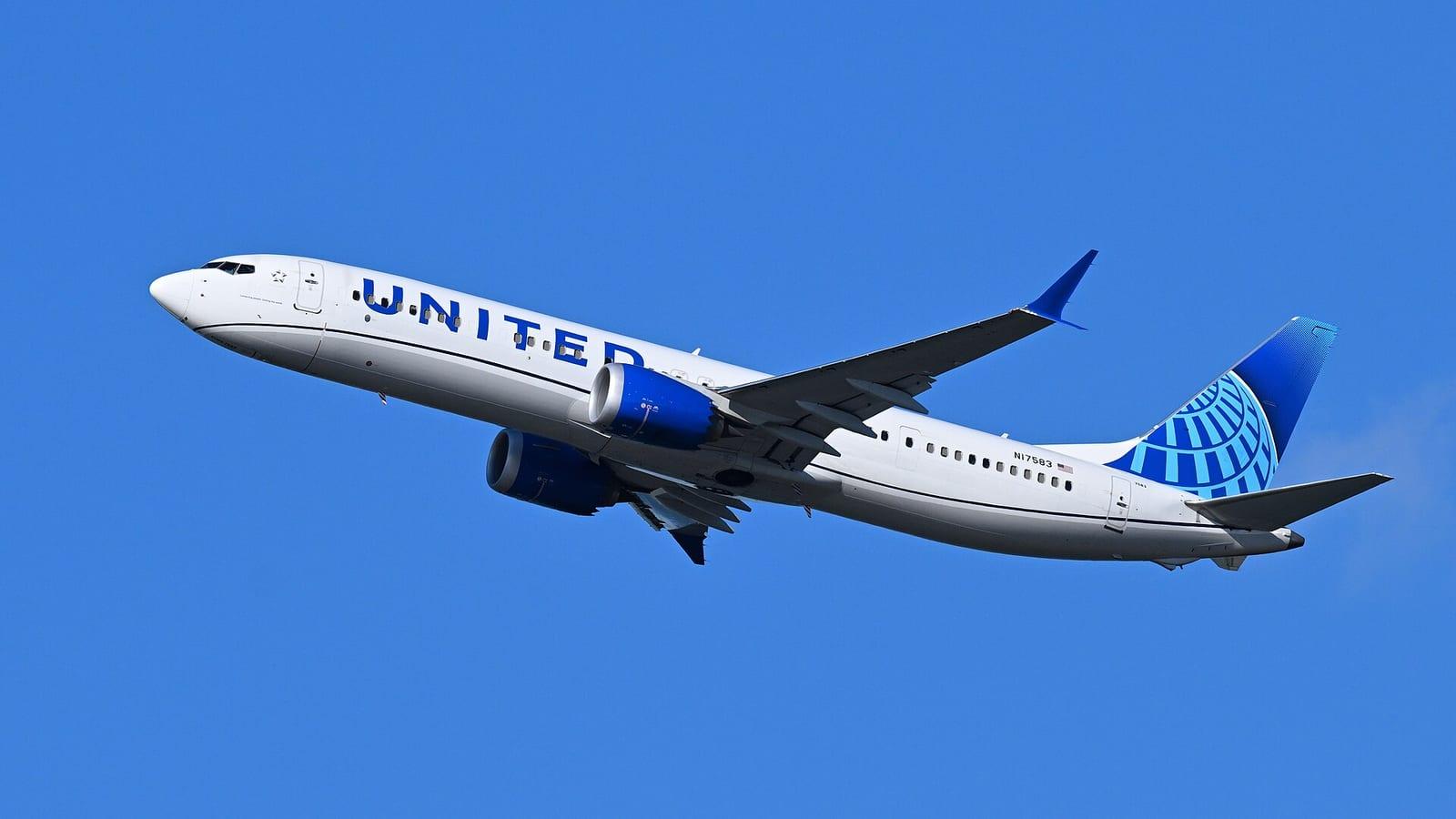
United Airlines will no longer let unauthorized AI agents buy its tickets, whether on its own website, through travel agencies or through flight aggregators. An assistant can still search fares and lay out the options; a human has to complete the purchase. It is one of the first big consumer brands to put a clear line in writing for agentic shopping, and it did so while agent bookings are still a rounding error.
What an Agent Can Still Do for You
The change covers every route to a United ticket: the airline's site and app, travel agencies and the aggregators that compare fares. AI assistants can still read and display United's schedules and prices. Booking, paying, changing a reservation or using miles has to be done by the traveler.
United's explanation centers on the passenger's wallet. Handing an agent a card number or a login, the airline said, can lead to "unintended purchases, account changes, or use of MileagePlus miles." It added that automated AI actions "have the potential to violate FAA and DOT regulations." One example the airline points to: at check-in, a passenger has to confirm that a bag carries no explosives, a statement only a person can make.
Those are real reasons. They are also not the only one, as the airline's chief executive made clear the same week.
The Middleman Scott Kirby Doesn't Want

Speaking at an event on Tuesday, United CEO Scott Kirby gave the commercial view in one line, reported by The Wall Street Journal.
“To be honest, I don't want to create another middleman.”— Scott Kirby
The logic is easy to follow. Airlines have spent years pulling customers toward their own websites and apps, where they can sell seat upgrades, push their loyalty program and keep the relationship. A personal agent that searches every airline and books whichever is cheapest would sit exactly where a travel agency used to sit, between the airline and the passenger, deciding who gets the sale.
United is not shutting agents out. It wants them in the role of the helpful assistant who brings you the options, not the broker who closes the deal. How much is actually at stake today, though, is a surprisingly small number.
Four Rides Out of 320 Million
For now, agentic shopping is tiny. On its third-quarter earnings call, Uber said that in the week of Halloween it handled 320 million trips and deliveries, and AI agents accounted for 500 Uber Eats orders and four rides.
That is why United's move matters more as a precedent than as a block. Rules written early tend to shape how a market grows. The open problem is a technical one worth solving: a clean way for an agent to prove that a real person reviewed and approved a purchase, the kind of handoff that would answer United's concerns about accidental bookings and the safety declarations airlines are required to collect.
United says that as personal AI assistants evolve, it will keep evaluating how they interact with its services. Until then, the agent does the tedious part, comparing dozens of fares and times, and the traveler spends ten seconds approving the one they want. The search belongs to the machine, and the yes still belongs to you.
Agents Search, Humans Buy
The Brief
Stay curious
AI and technology: what changes and why it matters.
Your daily selection, in English or Spanish.
Free forever. Unsubscribe anytime.
More stories





Conversation
Start the conversation