
 The Specialty News
BankChain Alliance Unites 39 States to Fight the $310B Stablecoin Threat
Targeting a 2027 launch, thousands of community banks are pooling their resources to build a regulated blockchain and keep local deposits on their balance sheets.

Money is moving, and Main Street is getting nervous. By mid-2026, the global stablecoin market has swelled past $310 billion, mostly hoovered up by private issuers. For a regional bank in Texas or Iowa, that isn't just a tech trend—it is an existential threat to the deposits they use to fund local mortgages and small business loans.
The Visa Playbook for the Crypto Age
Wall Street giants have the capital to build their own proprietary tokenization networks. Community and regional banks do not. Recognizing that fragmented, individual efforts would inevitably fail, 39 U.S. state bankers associations announced a massive joint venture on August 25. The goal is to build a nationwide, industry-owned blockchain network slated to go live in 2027.
This is exactly how Visa and Mastercard were born in the 1960s. Individual banks tried launching their own credit cards, found the fragmented system unusable, and realized they had to cooperate on the plumbing so they could compete on the services. The BankChain Alliance is executing that exact playbook for the blockchain era. By pooling their resources, thousands of smaller institutions can offer automated 24/7 settlement, smart contracts, and bank-issued stablecoins without being extorted by third-party vendor fees.
Playing by the Regulators' Rules
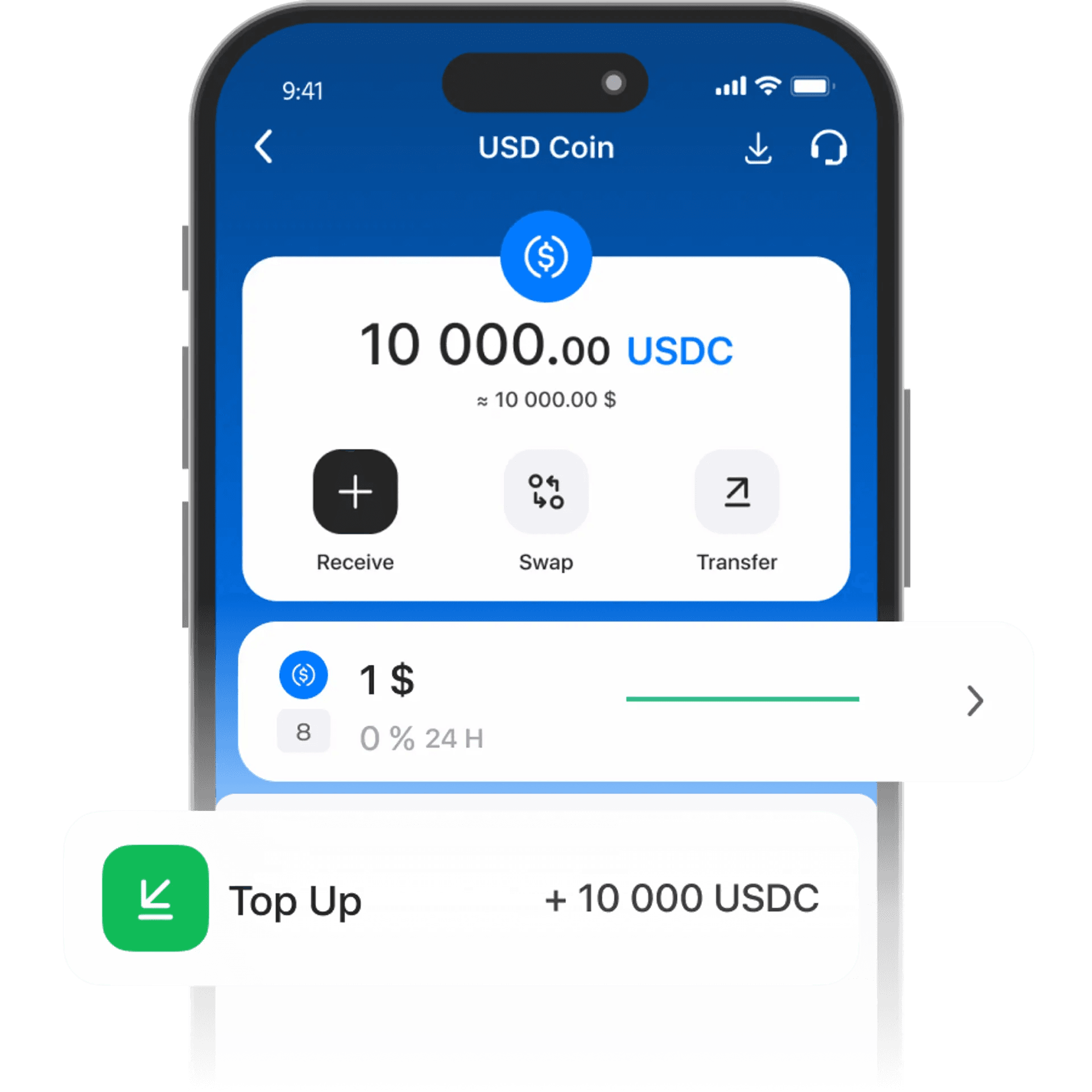
Regulators historically treat banks touching distributed ledger technology like toddlers holding fireworks. The BankChain Alliance's genius lies in its strict adherence to existing banking guardrails. Instead of launching a volatile new crypto asset, they are focusing their efforts on "tokenized deposits."
A tokenized deposit is simply a blockchain-based ledger entry of a customer’s existing cash. The funds stay right on the bank's balance sheet, continue to enjoy FDIC insurance, and are restricted to a permissioned network. This isn't decentralized shadow banking; it's faster, programmable accounting.
“This is about banks of all sizes building their own future.”— Kathy Kraninger
To drive this point home to Washington, the group appointed Kathy Kraninger, a former director of the Consumer Financial Protection Bureau, as its interim chair. Her presence sends a loud signal that this network intends to play strictly by the rules, giving corporate clients a safe, fully regulated harbor for digital cash that steers them away from offshore entities.
What people are saying

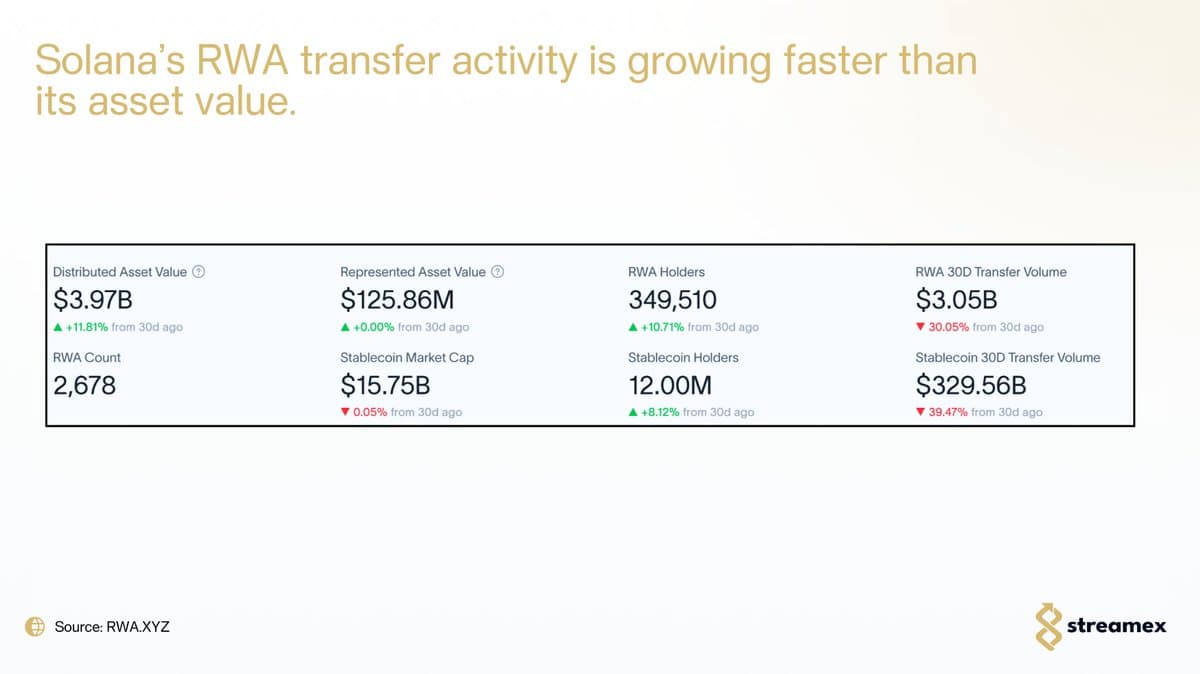
“.@solana is building a serious case as the settlement layer for real-world assets. RWA value on the network has reached $3.97 billion, up nearly 12% this month. More than 349,000 wallets now hold these assets, with the holder base growing over 10%. The chain is moving, Solana”

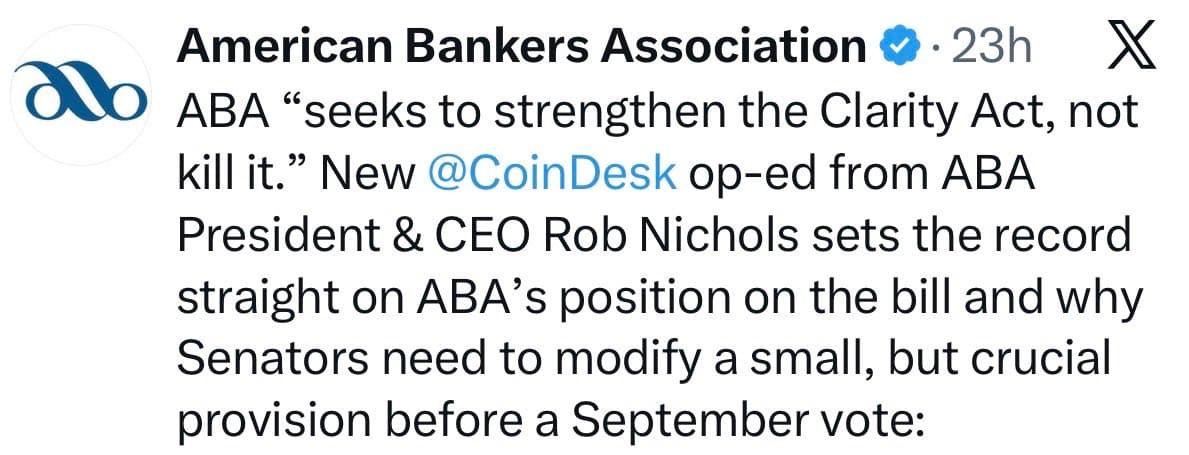
“I appreciate hearing that my friend @BankersPrez Rob Nichols is working to pass the CLARITY Act. But the “small” changes he wants would put significant friction on stablecoin adoption - just as stablecoins are taking hold in commerce and becoming critical infrastructure for”

“Revolut just launched EURR, its first euro-backed stablecoin 😳 This is one of the clearest signs yet that Europe’s biggest & most valuable fintech wants to own the money layer, not just the app around it: → Dollar stables still dominate (~$300B). The entire euro stablecoin”

Combating the Stablecoin Threat
The Brief
Stay curious
AI and technology: what changes and why it matters.
Your daily selection, in English or Spanish.
Free forever. Unsubscribe anytime.
More stories






Conversation
Start the conversation