
 The Specialty News
Apple Transforms 500 Retail Stores Into a Ted Lasso Billboard
By synchronizing demo devices with custom screensavers, the tech giant is turning its hardware showrooms into a massive acquisition funnel for Apple TV+.
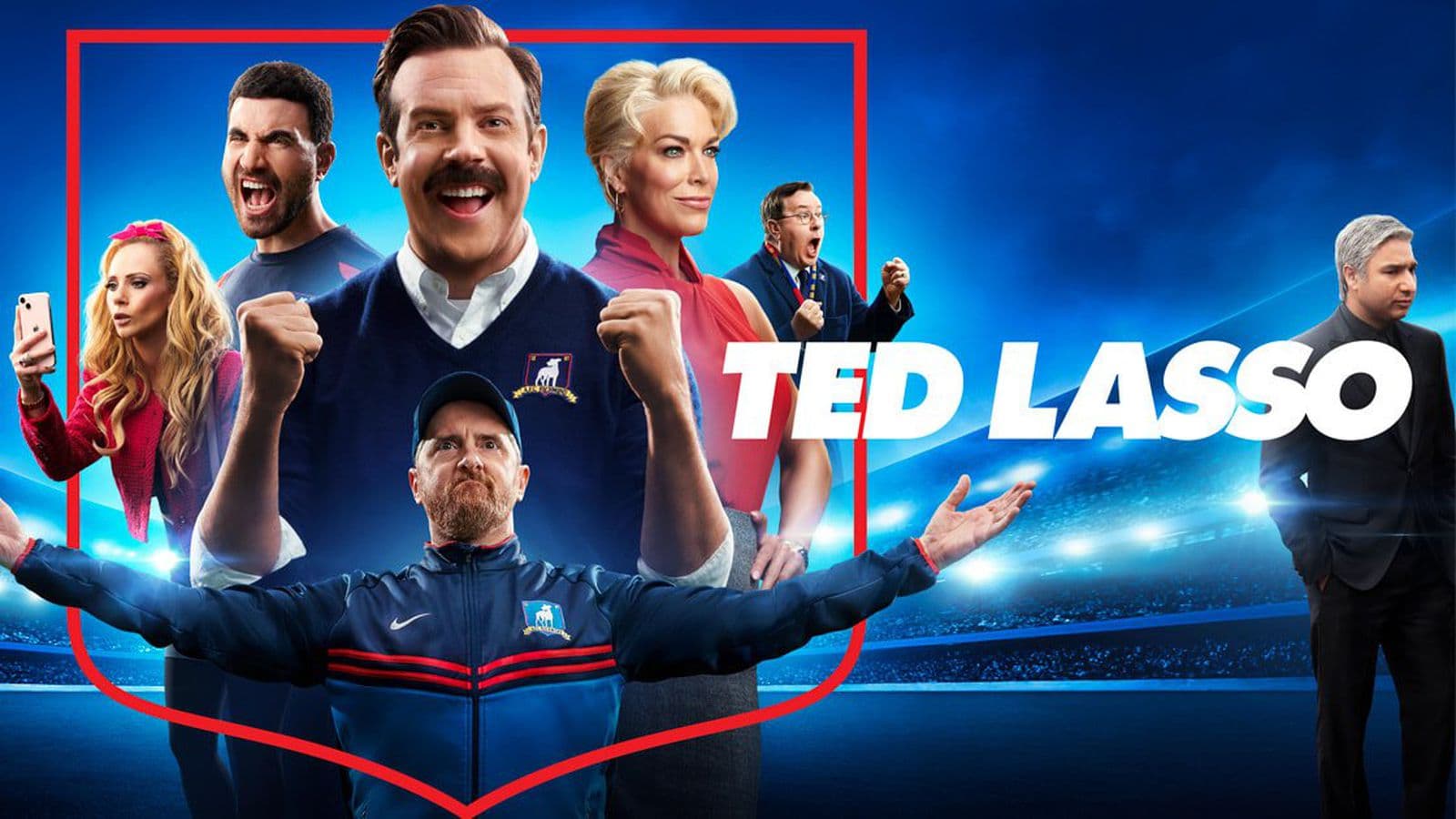
Walk into an Apple Store today, and the screens aren't just displaying static menus. They are talking to each other. To celebrate the August 2026 premiere of Ted Lasso Season 4, Apple has hijacked its own retail floor, turning over 500 global stores into immersive, synchronized billboards designed to pull foot traffic directly into its streaming services.
The Synchronization of Coach Lasso
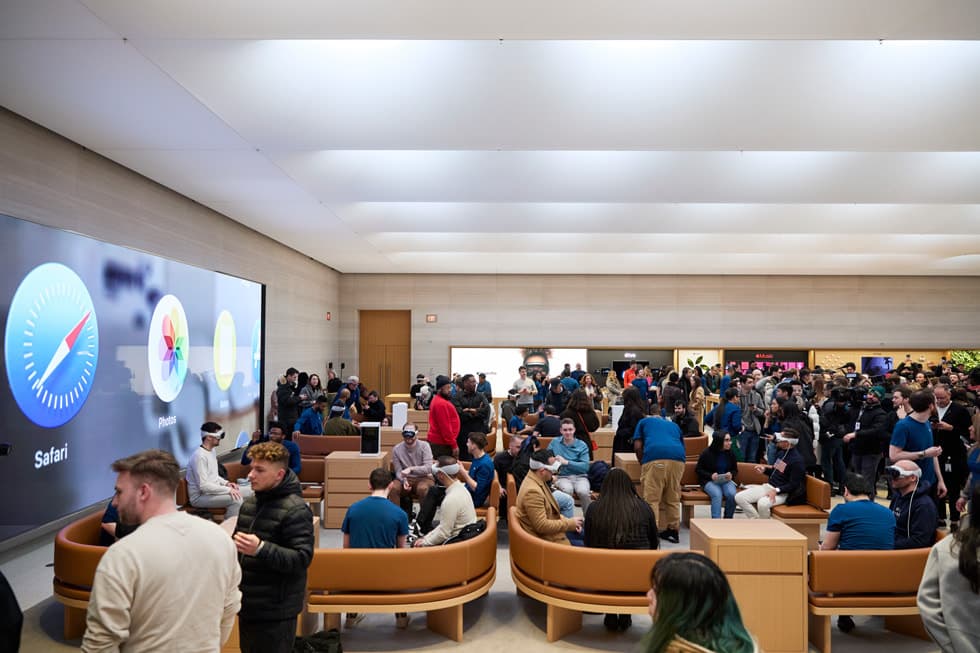
The physical takeover of Apple's retail spaces is both subtle and startling. Apple has deployed localized Easter eggs and synchronized screensavers across its fleet of demo devices. Visitors can watch as iPhones, iPads, and MacBooks suddenly sync up to play exclusive video interactions featuring the show's characters, essentially greeting customers the moment they approach a table.
The physical activations extend well beyond the screens. Apple is hosting interactive "Today at Apple" sessions where customers use demo iPads and the Procreate app to draw their own versions of Coach Lasso’s iconic "Believe" locker room sign. Outside the digital realm, the company even hosted a massive "Gathering of the Teds" look-alike contest at its Fifth Avenue store in New York City, judging fans on their mustaches and relentless positivity. It is a highly coordinated effort to turn hardware showrooms into immersive entertainment hubs.
Solving a $1 Million Problem
Behind this aggressive real-world marketing campaign lies a stark business reality. The Season 4 premiere was undeniably historic for Apple TV+, shattering platform records and dominating the cultural conversation during its launch window. Yet, the service still fights an uphill battle, currently capturing less than 1% of total U.S. streaming time. Competing with entrenched behemoths like Netflix and Amazon requires a structural advantage that those software-only companies simply do not possess.
“It’s not browsing Apple Music on a demo iPhone that’s new — it’s the messaging behind it. And that messaging is shifting the balance of power in stores from hardware to services.”— 9to5Mac
Original prestige TV is astronomically expensive to produce. Star and creator Jason Sudeikis reportedly negotiated his pay up to $1 million per episode to return to Richmond and coach a second-division women's football team. To justify these surging production costs, Apple’s services executives, led by Eddy Cue, have mandated that the company's retail locations must now serve as a primary acquisition funnel for its digital subscriptions.
When Hardware Becomes a Vessel
There is a fascinating historical parallel in how these physical retail spaces are being utilized today. Back in 2001, Apple Stores were meticulously designed to let people touch and feel the hardware. The goal was to prove that Mac OS X was intuitive and friendly. By 2010, the first iPads were loaded with basic apps simply to demonstrate how a touchscreen could change daily computing.
Today, the hardware is so ubiquitous that it no longer requires an introduction. The physical devices sitting on those iconic wooden tables have become transparent vessels. Just as Apple once used innovative software to sell the original iPod, they are now using the iPhone and iPad to sell the emotion, warmth, and entertainment of Ted Lasso. The product being demoed is no longer the silicon; it is the feeling.
The Physical Streaming Funnel
This retail push represents a vital milestone for Apple's evolving business model. By transforming demo devices into experiential marketing tools, Apple is utilizing its massive physical footprint to solve a purely digital problem. It opens a new playbook for how technology companies can market streaming subscriptions in an increasingly crowded media landscape.
Instead of relying solely on expensive digital ad buys, Apple is literally putting the content into consumers' hands the moment they walk through the door. The strategy creates a powerful feedback loop where the hardware drives recurring software revenue, and the software adds emotional value to the hardware. With industry leaks suggesting production for a fifth season is slated to begin in London by January 2027, Apple has made one thing clear. Its most valuable advertising real estate isn't on a billboard or a browser—it's sitting on a wooden table in your local mall.
What people are saying

“Behind the scenes of the Lady Greyhound open trials. A new episode of #TedLasso is now streaming.”


“Sony Music Sues Kroger in Latest Lawsuit Over Songs on Social Media: ‘Rampant Infringement’”

“Pretty cool, you can watch Apple TV with the full functioning app in your Tesla by using the browser 😎”
Apple Retail's Services Shift
The Brief
Stay curious
AI and technology: what changes and why it matters.
Your daily selection, in English or Spanish.
Free forever. Unsubscribe anytime.
More stories




Conversation
Start the conversation