
 The Specialty News
Apple Kills the Base iPhone, and the $1,000 Pro Becomes the New Floor
Zero standard models are launching this fall as the company delays the iPhone 18 to force an ultra-premium holiday cycle.
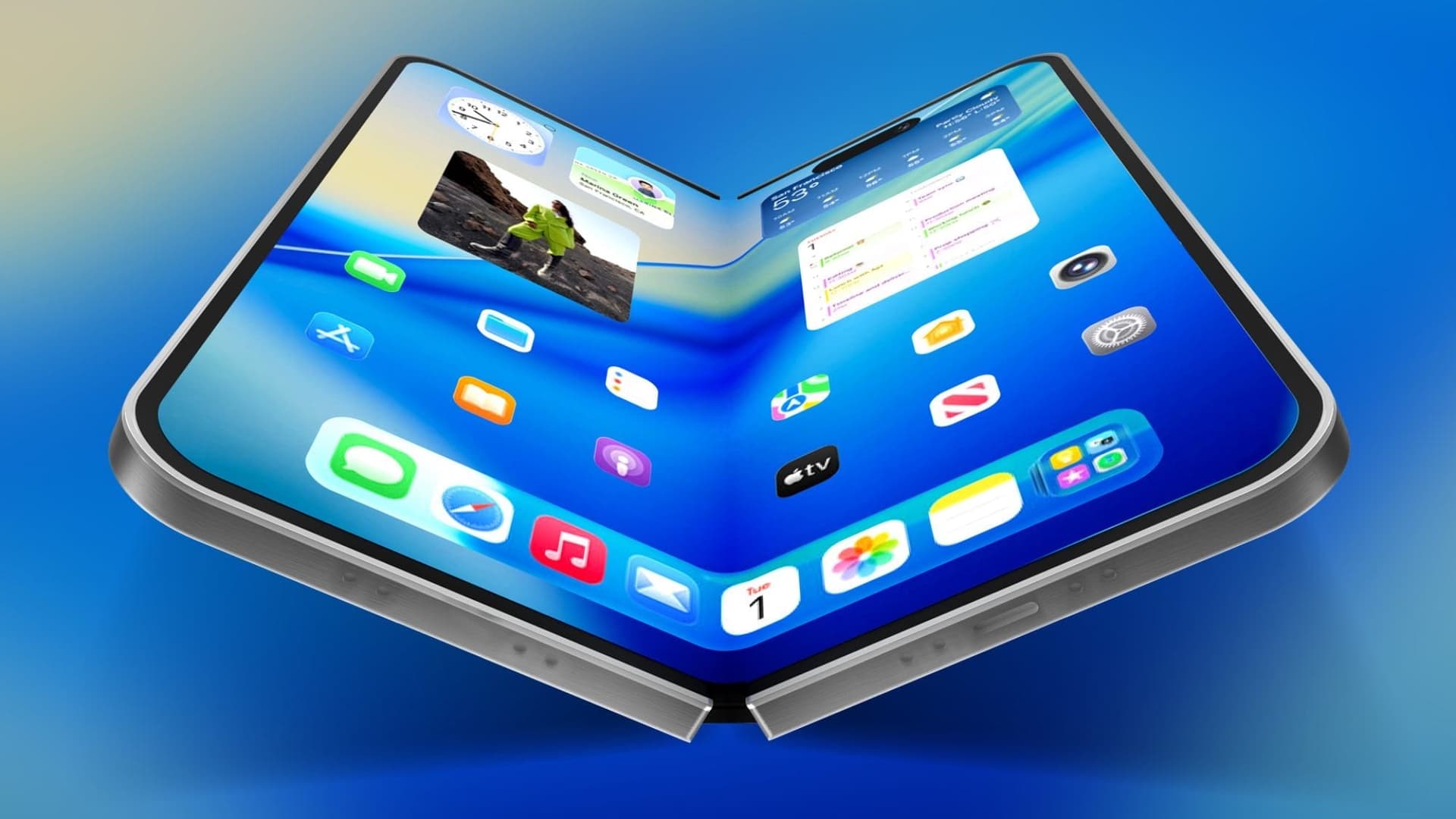
For the first time in modern smartphone history, Apple is walking into the holiday shopping season without a standard, entry-level flagship iPhone to sell. Instead of a $799 default upgrade, consumers hitting stores after September 9 will face a stark choice: buy the $1,000-plus iPhone 18 Pro, spring for a $2,000 foldable, or walk away. By quietly delaying the standard iPhone 18 to spring 2027, the company is forcing its most aggressive price floor ever on holiday shoppers.
The $1,000 Gamble
Apple hardware chief John Ternus is orchestrating a massive shift in consumer electronics. By holding back the base model, he is effectively turning the premium Pro tier into this year's default upgrade. It is the retail equivalent of a car manufacturer abruptly pulling all its mid-size sedans off the lot right before December, leaving only luxury SUVs for the holiday rush.
Instead of a cheap entry point, Apple is rolling out 15 high-end products. This pivot to prestige over volume puts telecom carriers in a brutal bind. Companies that rely heavily on holiday upgrade subsidies to lock in users must now decide whether to eat the cost of subsidizing a much more expensive Pro model or risk losing their seasonal upgraders entirely.
Carriers are not the only ones sweating the price tag. Regular buyers holding onto older devices must decide if an ultra-premium tier warrants opening their wallets, especially when the crown jewel of the new lineup forces a difficult compromise.
Bending the Camera Rules

The anchor of Apple's high-end assault is the highly anticipated iPhone Ultra, a device that folds the iOS experience into a pocketable square. Supply chain analysts note that Apple spent two years engineering a hinge that directly addresses the durability failures of earlier foldable phones.
Early testers are reportedly thrilled with the Ultra's mechanics and form factor. Yet leaks point to a sharp trade-off: the $2,000 foldable will ship with a camera system inferior to the traditional iPhone 18 Pro Max. Apple is cornering its wealthiest customers into choosing between cutting-edge screen technology and taking the best possible photographs.
It is a heavy bet on physical design over raw specifications. But pushing users into a $2,000 camera dilemma is only the second most controversial design decision Apple is making this fall.
Breaking the Touchscreen Taboo
For over a decade, Apple executives insisted that macOS was strictly for a mouse and keyboard. Touching a laptop screen, they argued, leads to "gorilla arm"—the inevitable physical fatigue of holding a hand suspended in the air. This October, Apple is abandoning that doctrine with the MacBook Ultra.
The new machine features an OLED display, a Dynamic Island, and the first touchscreen in Mac history. Rather than just porting iPad software onto a laptop, developers found clues in the macOS 27 beta that suggest a ground-up redesign built specifically for physical interaction.
“For instance, if users touch a button or control, the interface will bring up a new type of menu surrounding their finger that provides more relevant options for touch commands.”— Mark Gurman
Apple is testing the limits of consumer loyalty across every product category simultaneously. From an eight-sensor Apple Watch Ultra 4 to a touch-first Mac and a Pro-only phone cycle, the strategy is clear. They are no longer interested in selling a device to everyone; they are deciding who gets to walk through the door.
What people are saying

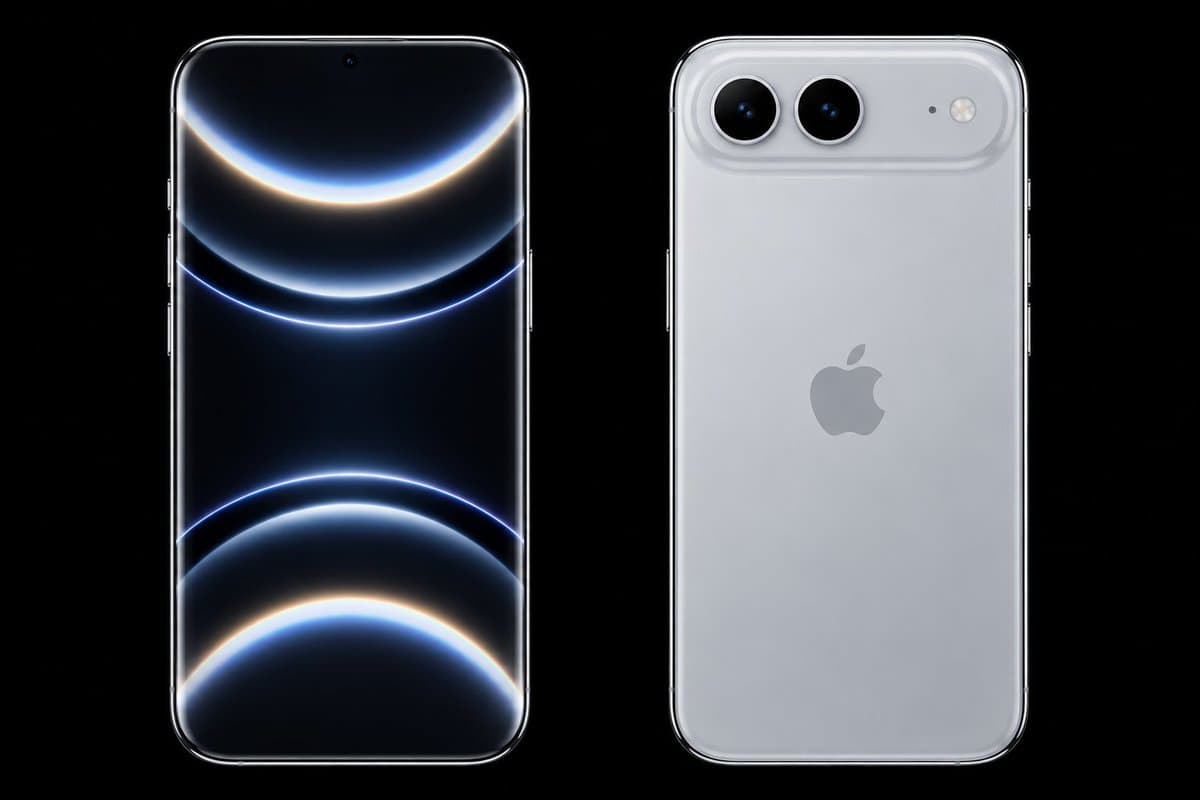
“The 20th anniversary iPhone in its current form The design shares quite a few elements with the iPhone Air 2 Apple fans, are you liking the design?”

“It's the most exciting time I could ever remember in the Mac universe and Apple is firing on all cylinders. More more to come soon: - M6 MacBook Pro 14-inch - M6 iMac - M5 Pro and M5 Max touch-screen MacBooks - More next year in my article from July”

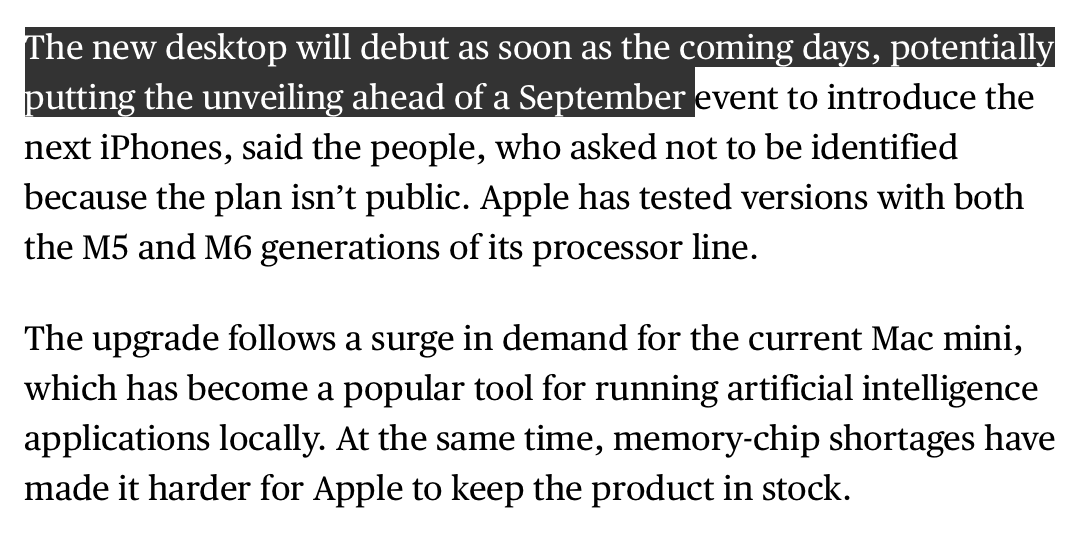
“Nice: Apple may launch an M5 or M6 Mac mini before its iPhone keynote, "as soon as the coming days" Apple is reportedly preparing its first update in almost two years, potentially within days. The company has tested versions with M5 and M6 chips, although Bloomberg says the”
Apple Sets a $1,000 Price Floor
The Brief
Stay curious
AI and technology: what changes and why it matters.
Your daily selection, in English or Spanish.
Free forever. Unsubscribe anytime.
More stories




Conversation
Start the conversation