
 The Specialty News
iPhone 18 Pro Cryptographically Signs Photos, Giving Creators Absolute Proof of Reality
The new camera features a six-blade mechanical aperture that ends a decade of software blur, alongside a $1,199 base price driven by silicon costs.
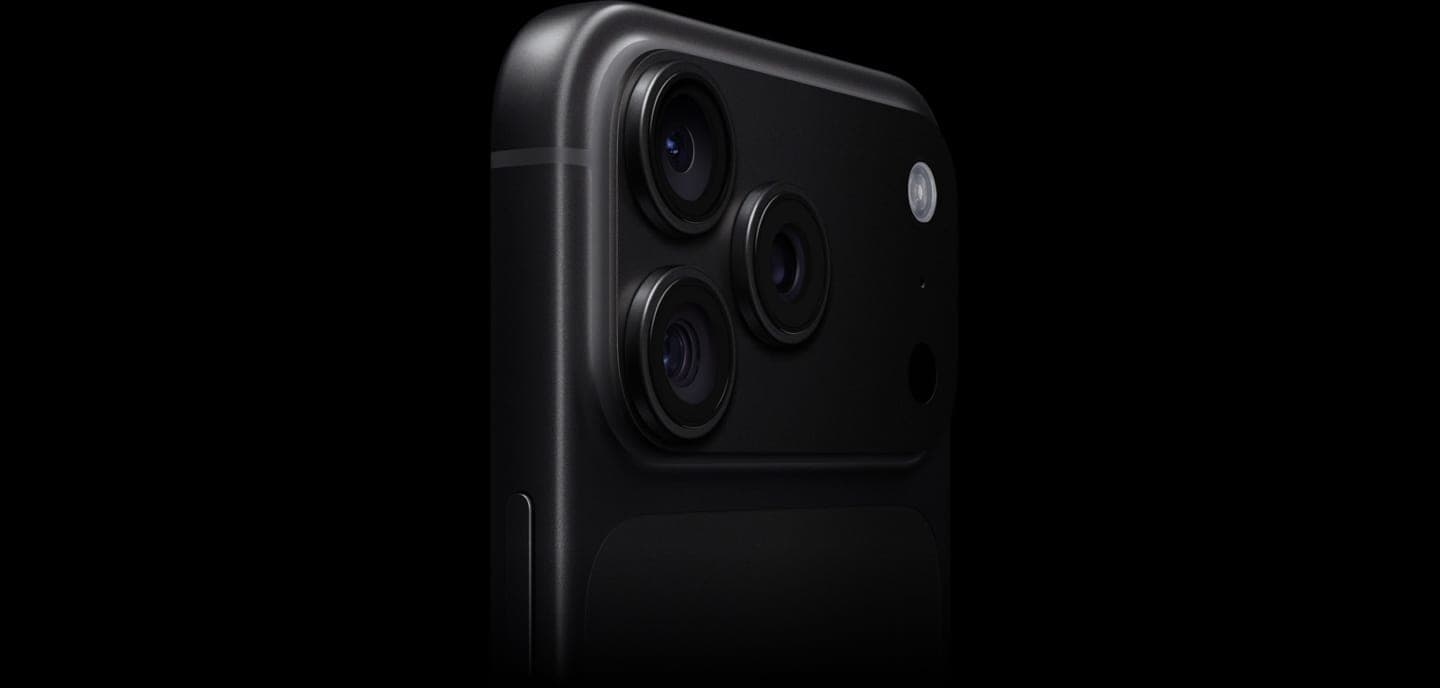
At the exact moment light hits the 48-megapixel sensor on the new iPhone 18 Pro, the hardware cryptographically signs the file. This creates an unalterable digital negative before any software can touch it. In a media environment saturated with synthetic images, Apple has turned the smartphone camera into a reality verification machine.
The Six-Blade End to Software Blur
For a decade, smartphone manufacturers have relied on computational math to fake depth of field, guessing which pixels should be sharp and which should blur. The iPhone 18 Pro abandons the illusion. Inside the main camera module sits a true variable aperture mechanism built from physical blades. Each one is thinner than a human hair, physically shifting between ƒ/1.48 and ƒ/4.0 on demand.
To visualize the engineering, it is like compressing the intricate mechanics of a professional DSLR lens into a space no thicker than a stack of three credit cards. Photographers no longer have to hope an algorithm correctly isolates a subject's hair from the background. They now have tactile, optical control over how much light enters the sensor, capturing 50 percent more light than the prior generation.
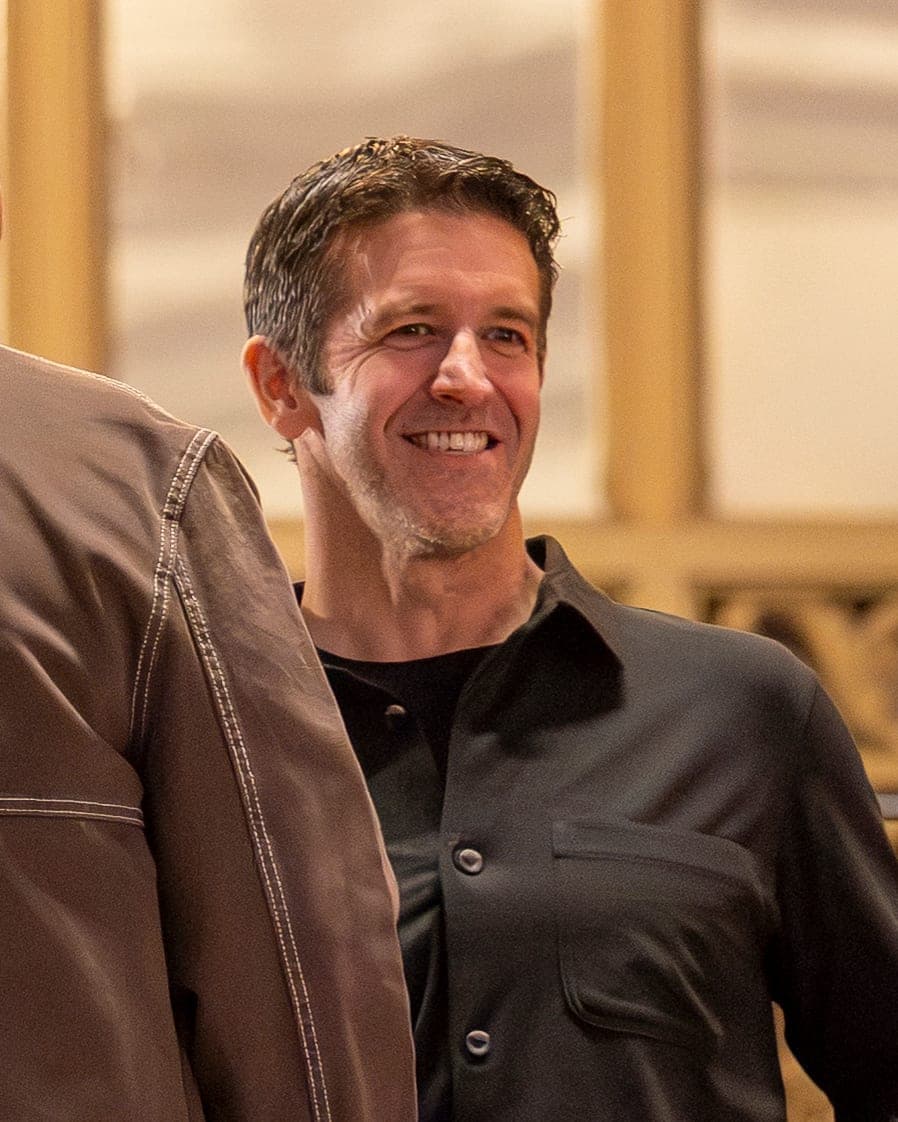
This hardware leap debuted on September 9 under the watch of John Ternus, Apple’s newly appointed CEO, who succeeded Tim Cook just days earlier. Ternus used his first major keynote to anchor the "Pro" label firmly in professional utility rather than just premium screens. But the physical mechanics of the lens only solved the problem of capturing light. The harder task was proving the light actually existed.
The Digital Negative

The most consequential feature inside the Burgundy titanium chassis is entirely invisible. Dubbed the Apple Reference Image, the system stamps a cryptographic signature into the photograph at the hardware level the millisecond it is captured. It acts as an unbreakable chain of custody.
If a photojournalist in a conflict zone takes a picture, they now hold a file that can definitively prove it is not an AI fabrication. The balance of power shifts back to the person standing in front of an event, equipped with a mathematical guarantee of authenticity.
Processing this level of instantaneous cryptography, alongside the physical demands of the camera, requires heavy silicon. The device relies on a 2-nanometer A20 Pro chip, cooled by a vapor chamber three times larger than its predecessor. That computing density, paired with a global memory chip shortage, pushed the base price to $1,199. This $100 jump tests the budgets of the younger creators who rely on smartphones as their primary filmmaking tools. The question remained how the device would handle edits that require heavy processing without breaking the trust model.
Trust in the Cloud
To manage intensive AI workloads that exceed the A20 Pro's on-device limits, Apple relies on Private Cloud Compute. The system is designed to extend the phone's hardware-level security to Apple's own servers, processing complex tasks without retaining the data.
“When greater capability is needed, private cloud compute extends that same level of privacy protection, ensuring that nobody, not even Apple, can access what's yours. It's personal intelligence that's actually personal.”— John Ternus
The immediate beneficiaries are everyday creators and professionals who require absolute certainty in their tools. They gain 45 hours of video playback on the Pro Max to keep shooting, physical optical control over their shots, and a system that guards their data off-device.
The transition from film to digital in the 1990s stripped away the physical negative, making image manipulation trivial. Three decades later, Apple has engineered a digital equivalent. True optical mastery is back in millions of pockets, carrying absolute proof of what was actually there.
What people are saying

“The iPhone 18 will have a BUILT IN charge-port, eliminating the need for batteries”
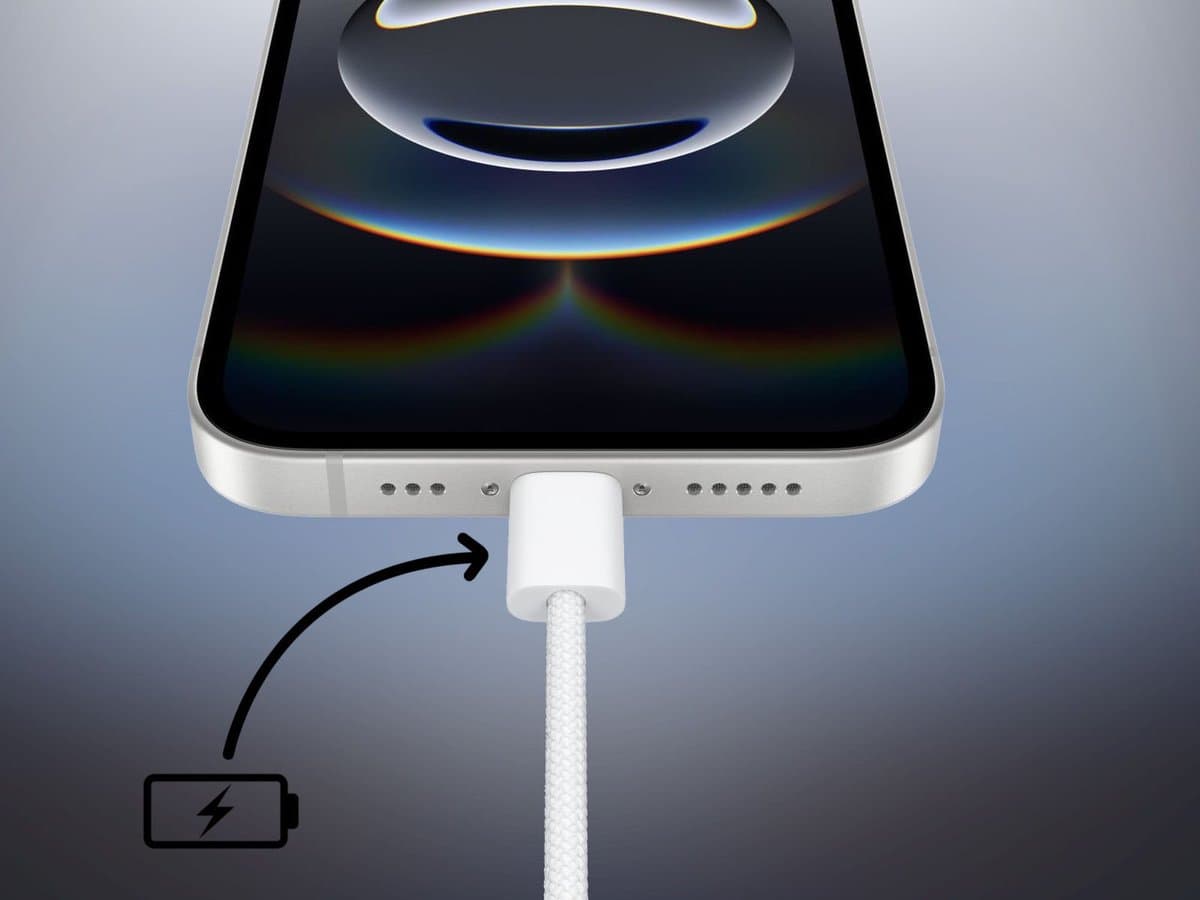

“I expect the following iPhone 18 Pro colors: black, light blue, silver and burgundy. iPhone Duo colors: dark blue and white.”

“Apple introduces the iPhone 18 Pro and iPhone 18 Pro Max #AppleEvent”
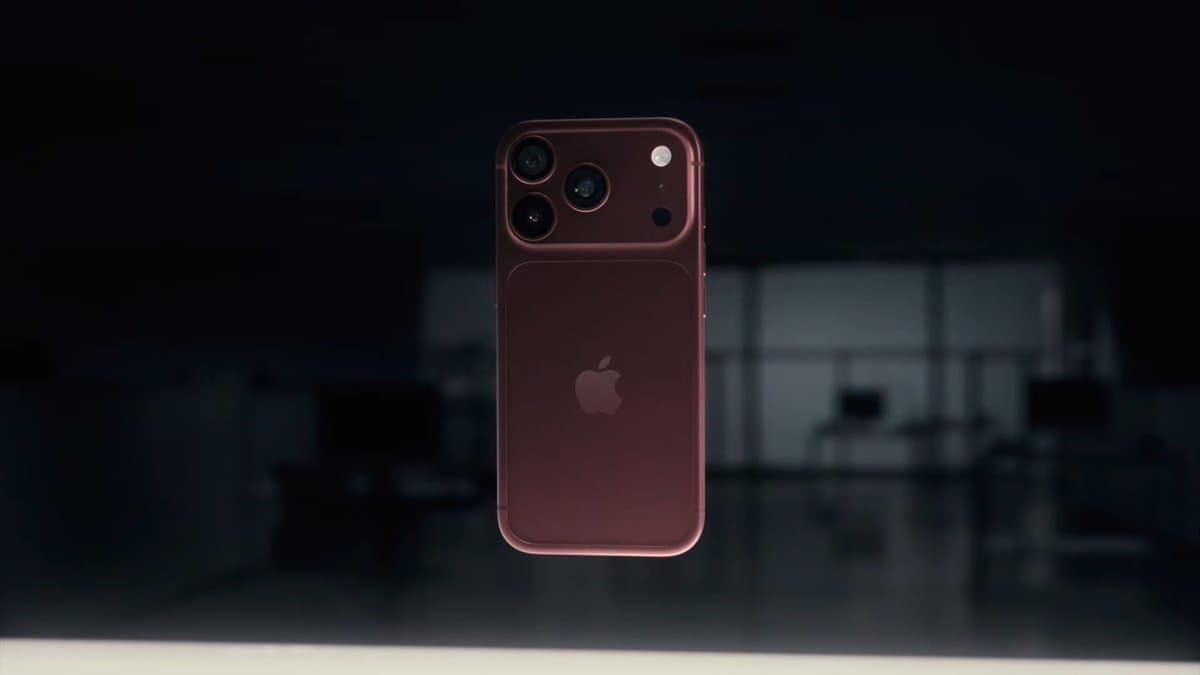
Anatomy of iPhone 18 Pro
The Brief
Stay curious
AI and technology: what changes and why it matters.
Your daily selection, in English or Spanish.
Free forever. Unsubscribe anytime.
More stories



Conversation
Start the conversation