
 The Specialty News
Claude Cowork Builds Its Own Browser — And Locks It Out of Yours
Anthropic's new desktop feature isolates AI web tasks to protect your privacy, accessing exactly zero of your personal tabs.
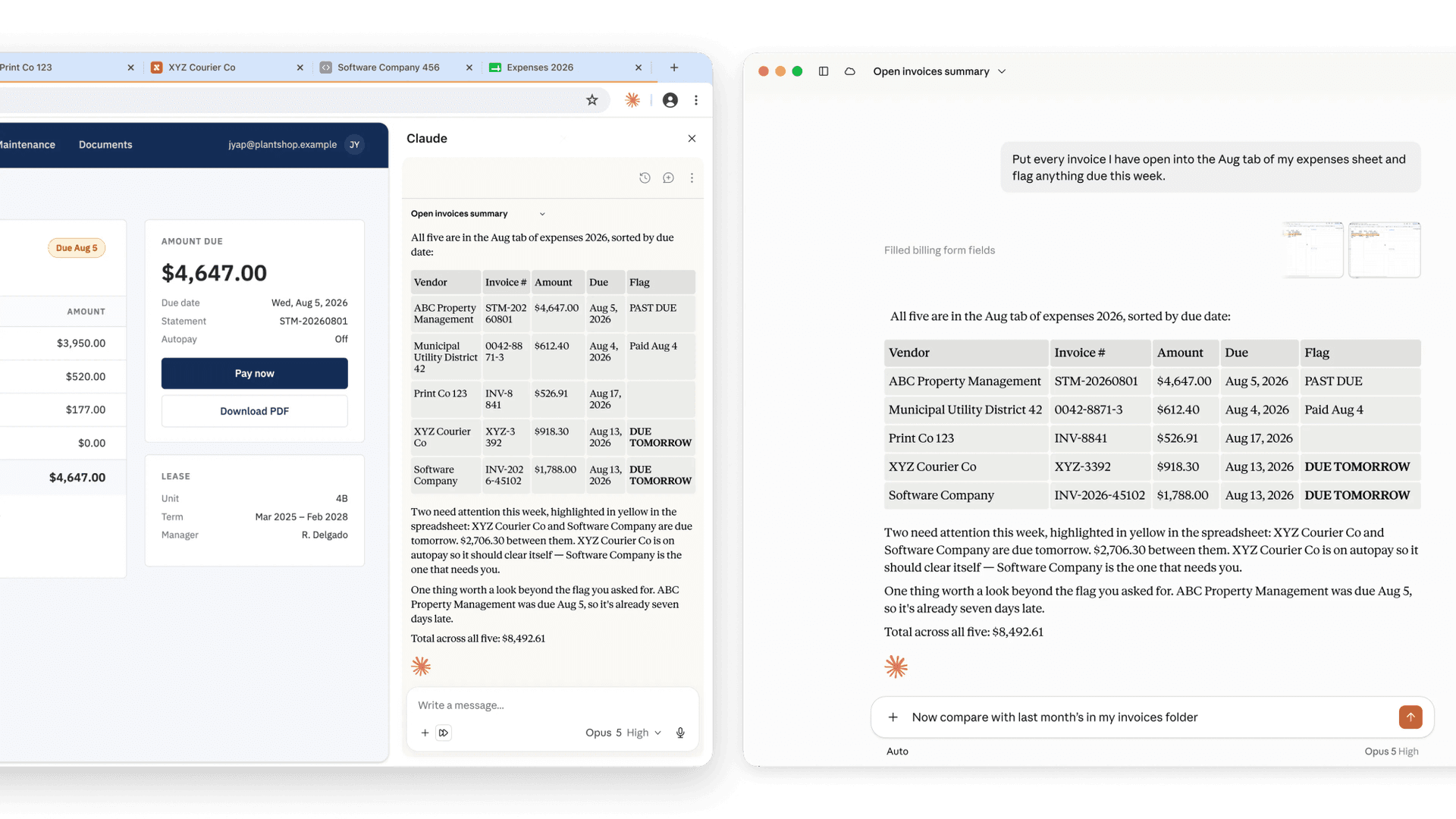
Ask Claude to pull invoices from a vendor portal today, and a side panel slides open in your desktop app to reveal a miniature Chromium browser. You watch as an invisible operator clicks through the login screen, navigates to the billing page, and scrapes the data, all while you continue drafting an email on your main monitor. Yesterday, granting an AI web access meant handing it the keys to your personal car and letting it ride shotgun through your private history. Today, Claude brings its own company vehicle.
The Air-Gapped Assistant
Anthropic realized that the biggest barrier to AI automation wasn't a lack of capability, but a surplus of privacy anxiety. Users want to delegate tedious, multi-step web chores, but they are terrified of a digital agent rummaging through their personal Chrome instances. By moving the browser inside the Claude Cowork app on macOS, Windows, and Linux, the company structurally isolated the agent from the user.
This bifurcates how workers interact with machine intelligence. If you need help analyzing a document you are currently looking at, you still use Anthropic's standard Chrome extension. If you want to farm out a ten-minute research task entirely, you send Claude to its own built-in browser and let it figure things out in parallel. You gain a true second pair of hands working independently. But building a ghost in the machine required beating the industry's biggest player to the punch.
The Race for the Desktop
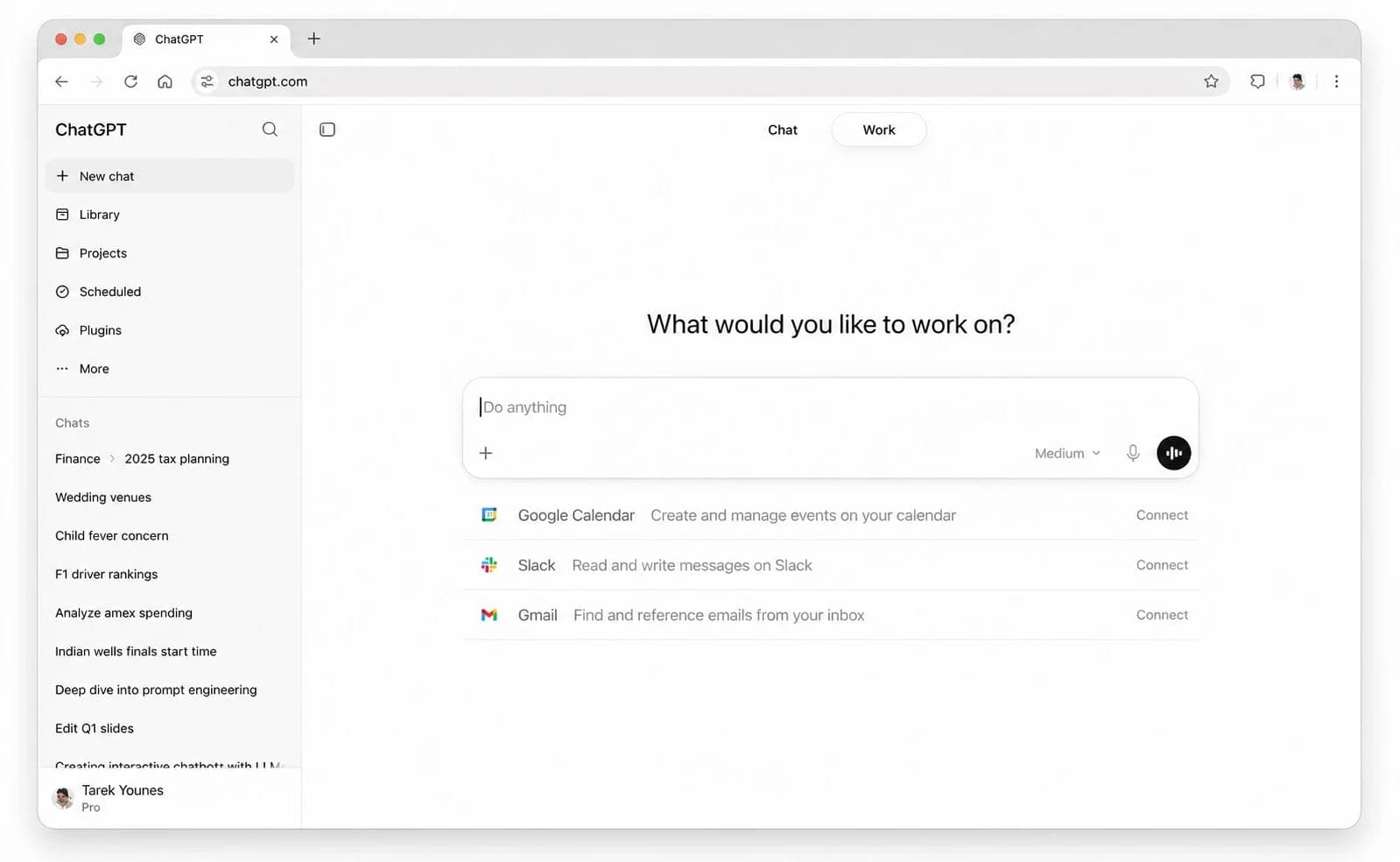
The launch arrives exactly 365 days after Anthropic debuted its original, clunky Chrome extension. In that year, the enterprise market shifted its focus from chatbots to agentic workflows. OpenAI recently abandoned its own standalone web browser project, code-named Atlas, choosing instead to bake browsing capabilities directly into its ChatGPT Work desktop app.
Anthropic chose a distinct architectural path by surfacing a visible, separate browsing environment. Keeping the AI's workspace visually distinct builds trust because the human can audit the machine's work in real time. If the AI gets confused on a complex vendor login page, the user can see exactly where the cursor stalled.
“A lot of web tasks don't need your browser, just a browser, and now Claude has one.”— Anthropic
The feature creates a compelling pitch for Pro, Max, and Team plan subscribers looking to automate mundane data gathering. But letting an autonomous agent surf the open web introduces a threat that isolation alone cannot solve.
What people are saying

“Claude now has its own built-in browser in Cowork. When your task involves a website, a browser opens in Cowork's side panel, and Claude navigates, fills forms, and finishes the job.”
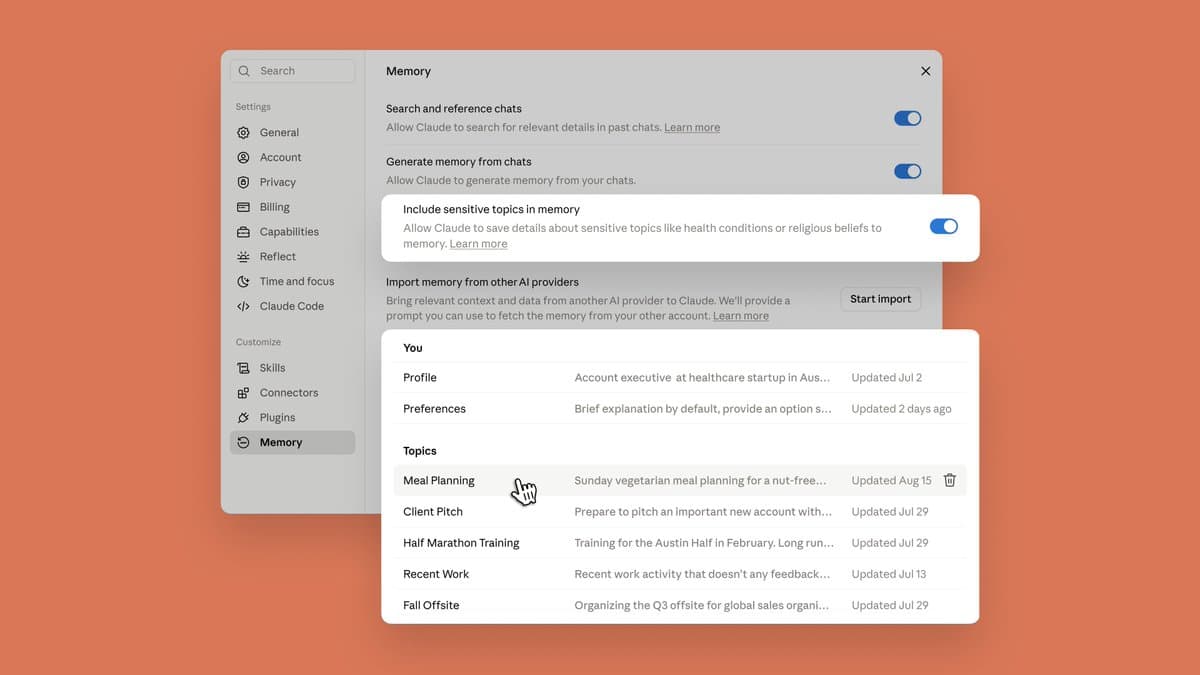
“Claude now has one memory across chat and Claude Cowork, and you decide what's in it. Hand Cowork a task and it starts from what Claude already knows from your chats: the project you talked through, your manager's preferences, or the client from last quarter.”
Claude Brings Its Own Browser
The Brief
Stay curious
AI and technology: what changes and why it matters.
Your daily selection, in English or Spanish.
Free forever. Unsubscribe anytime.
More stories


Conversation
Start the conversation