
 The Specialty News
Tesla Leaks 100M Kilometers of Secret FSD Data, Forcing an EU Vote
The automaker bypassed regulators protecting its trade secrets to prove its neural network crashes 4.1x less than human drivers.
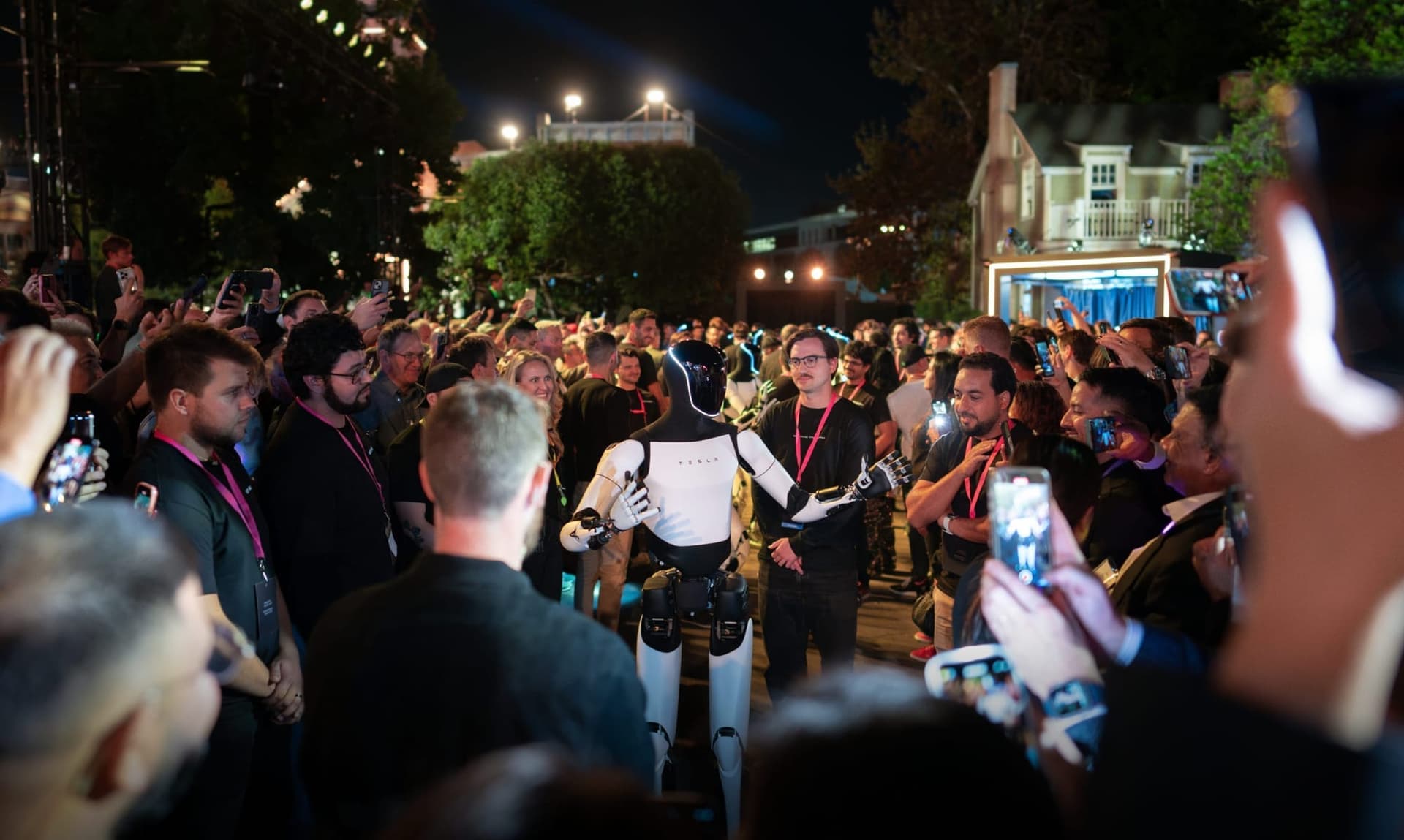
For months, the Dutch road regulator steadfastly shielded Tesla's safety data from the public, citing the need to protect commercially sensitive trade secrets. So Tesla bypassed the government protecting them and leaked it themselves. Frustrated by the slow pace of European adoption, the automaker unilaterally open-sourced a massive dashboard tracking 100 million kilometers of driving on public EU roads, attempting to force a continent-wide vote on Full Self-Driving.
The 4.1x Gamble
The dashboard Tesla dropped on X tells a specific story: a Tesla running FSD Supervised is substantially less likely to get into a crash than a manually driven Tesla on the same roads.
In the five countries where FSD is currently active via an obscure exemption, the system recorded just 12 collisions. Manually driven Teslas logged 627 over a similar footprint. Tesla juxtaposed those 12 collisions against a grim baseline: European nations recorded 19,400 road deaths last year, amounting to roughly 53 preventable fatalities every day.
Under legacy United Nations rules governing Europe, automotive software must be deterministic. If a car encounters a specific obstacle, the code must dictate exactly how it reacts. Tesla’s neural-network-based FSD operates probabilistically, interpreting street scenes much like a biological brain. By the letter of 1990s law, it is technically illegal. Tesla broke the dam by securing a temporary national exemption in the Netherlands, but expanding it across all 27 member states requires a brutal political fight.
Defying the Traffic Cops
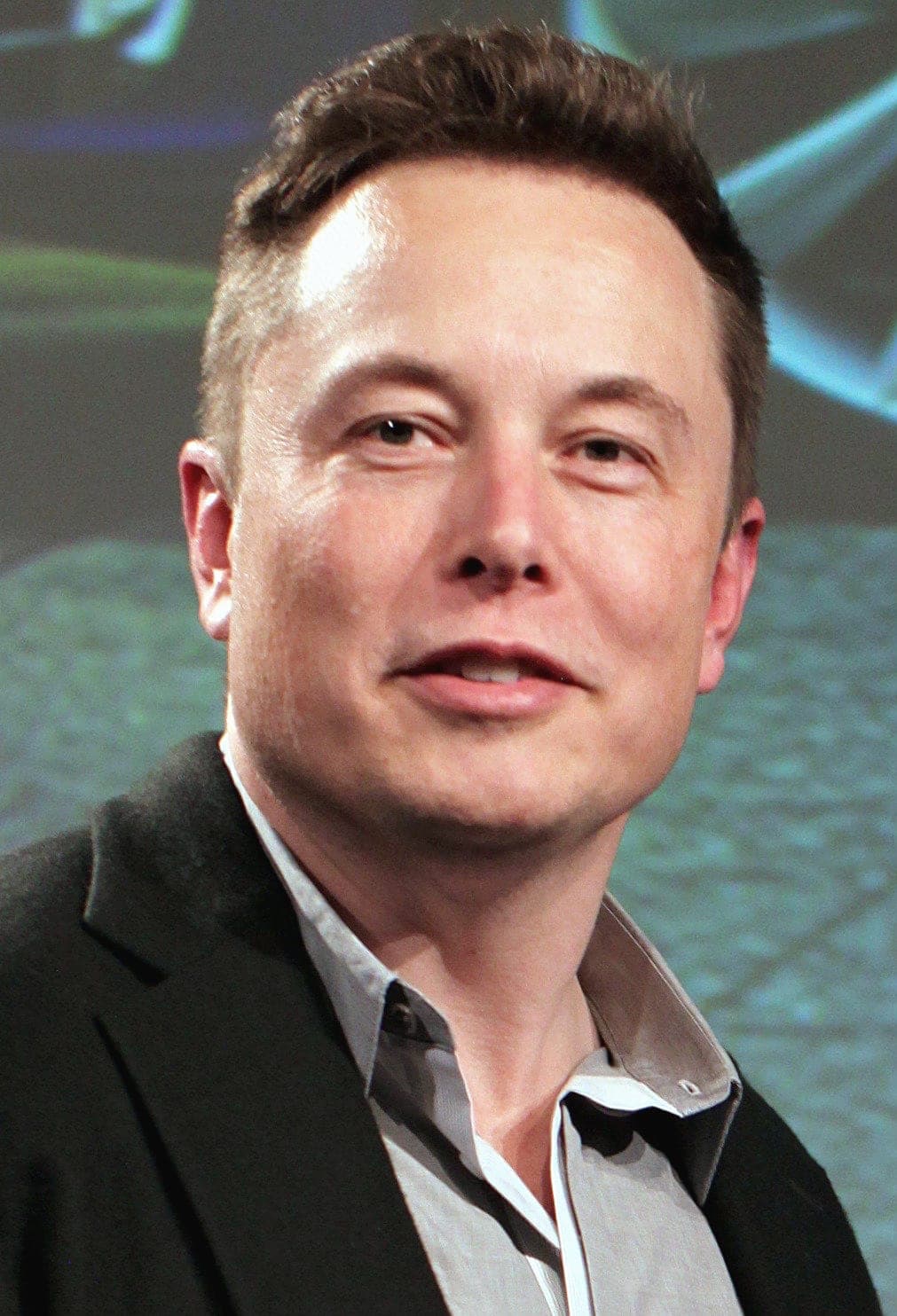
Tesla’s lobbying campaign has fractured European transport ministries, pitting politicians against their own safety agencies. In Sweden, the national traffic authority officially urged the EU to vote against FSD because the system is physically capable of exceeding speed limits. Sweden’s Minister for Infrastructure, Andreas Carlson, promptly overruled his own agency.
“It is the Government's starting point and ambition that a Union-wide approval of advanced driver assistance systems such as Tesla FSD should be put in place.”— Andreas Carlson
France poses an even bigger hurdle. Transport Minister Philippe Tabarot publicly doubted the software's readiness, prompting a video call with Elon Musk. Tabarot walked away with a concession: the French government now has two FSD-equipped vehicles to run independent, real-world road tests throughout September. They want to verify Tesla's math before the EU’s Technical Committee on Motor Vehicles casts a binding, bloc-wide vote on October 6. But independent experts warn that the math itself might be asking the wrong question.
The Statistical Illusion
Skeptics point out a gaping hole in comparing autonomous miles to human miles. Human drivers typically activate driver-assist systems in optimal conditions: clear weather, well-marked highways, and predictable traffic. When a blizzard hits or a city center turns chaotic, drivers take the wheel. If the software only drives when it is easy, and humans handle the hardest routes, the 4.1x safety claim is artificially inflated.
That statistical tension will define the October 6 vote. Tesla needs the support of 15 states representing 65% of the EU population to rewrite the rules of European roads. If they succeed, neural networks will legally supersede deterministic code. If they fail, European drivers remain locked out of the industry's most advanced software. Either way, the era of regulators quietly shielding autonomous driving data is over. Software moves too fast for secrets.
What people are saying

“🔥🇪🇺 Tesla just published a massive FSD safety evidence dashboard for European countries! FSD (Supervised) approval in Europe is now targeted for October 6. Some of the numbers are wild: ✅ ~2 billion miles driven with FSD in 2025 ✅ 40–69% fewer major collisions vs. manual +”
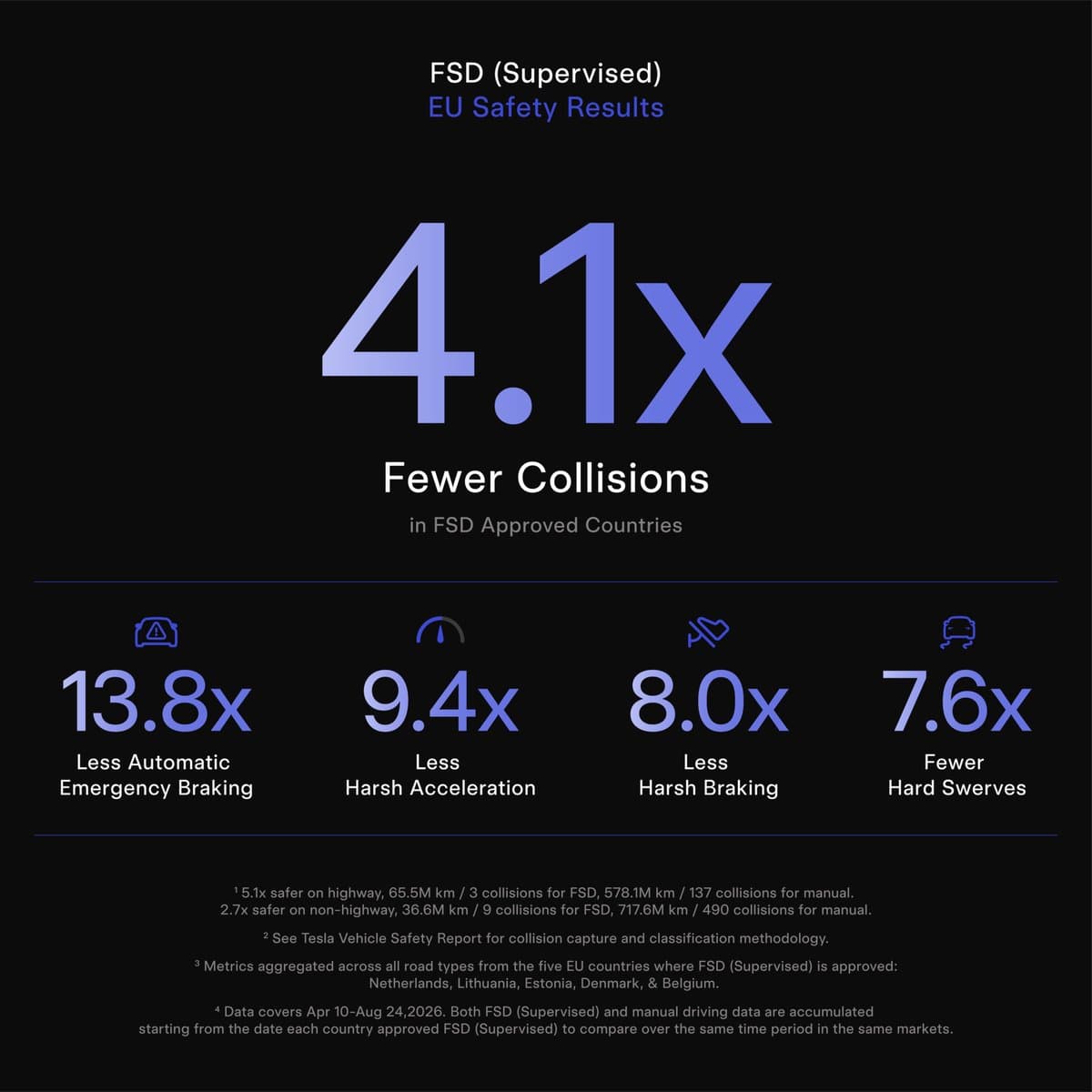

“An update on FSD Supervised in Europe FSD is currently approved in five EU countries (NL, DK, BE, EE, LT), used by >70k customers for over 1 million km per day, and is 4.1x less likely to get into a crash compared to manual driving, measured across 100 million km on public EU”

“Tesla just published their "FSD Evidence Dashboard" underlying their FSD application in Europe. Link to the dashboard: "European countries recorded 19,400 road deaths in 2025. That's around 53 deaths/day, with the vast majority of these crashes”
Tesla's Gamble to Legalize FSD
The Brief
Stay curious
AI and technology: what changes and why it matters.
Your daily selection, in English or Spanish.
Free forever. Unsubscribe anytime.
More stories





Conversation
Start the conversation