
 The Specialty News
Elon Musk Pledges 30,000 Austin Jobs to Build the Machines That Will Replace Them
Just 48 hours after declaring robots will soon outproduce humanity, Tesla's CEO promised to double his human payroll in Texas.
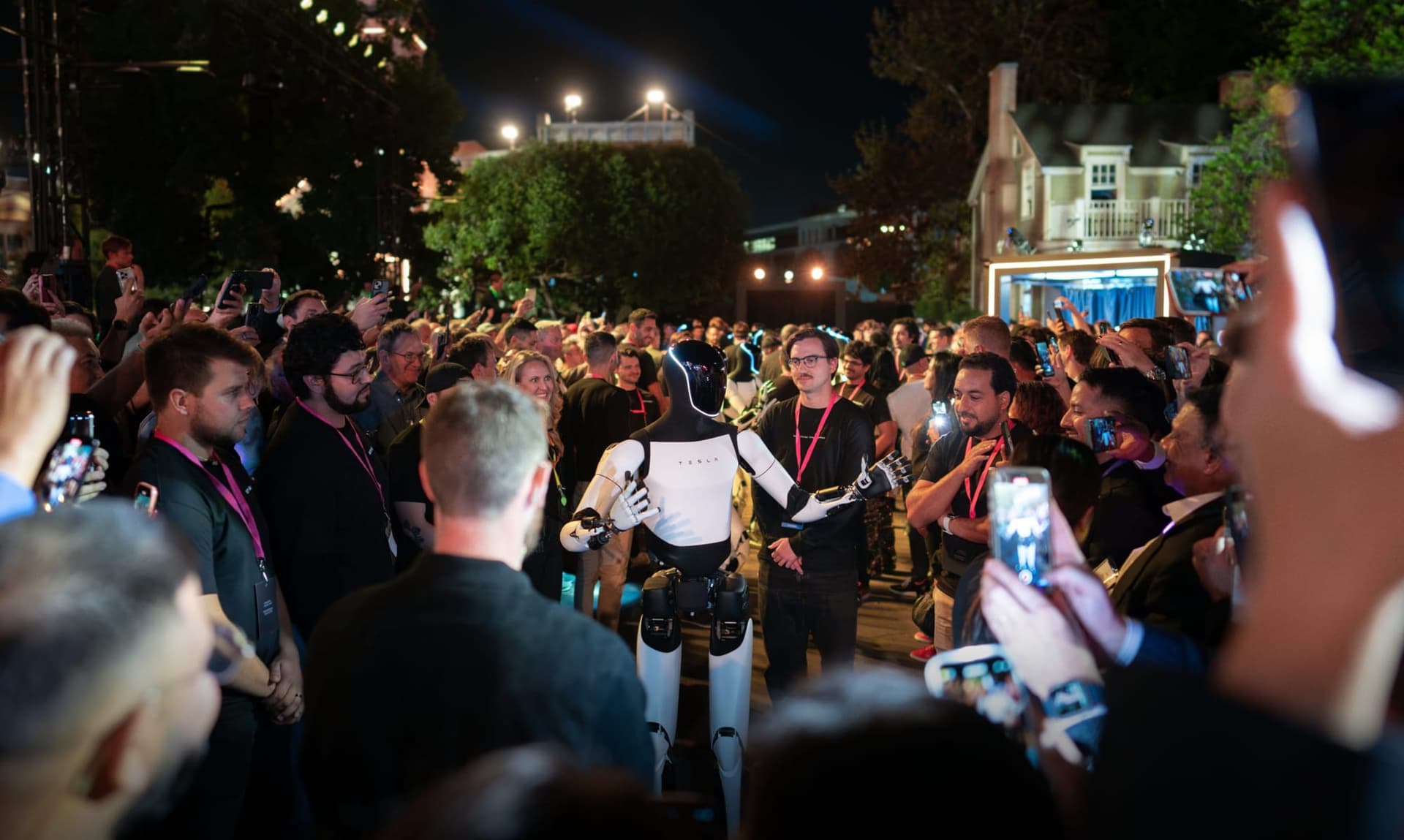
Just 48 hours after predicting that humanoid robots would outproduce all of humanity within a decade, Elon Musk announced an aggressive, old-school hiring spree. He is pledging to roughly double Tesla’s human workforce in Austin by 2028. The profound irony of the automation age is that to get it off the ground, the world's most aggressive AI hardware company has to hire tens of thousands of well-paid humans to physically build the machines meant to render human labor obsolete.
The Reversal in Texas
The pledge arrived as a casual reply on X, but its implications for the local Texas economy are staggering. Musk projects Tesla's Austin headcount will hit 30,000 within four years. To put that in perspective, that is enough workers to pack every seat in the city's Moody Center basketball arena twice over.
This represents a jarring pivot for a company that just spent the better part of a year trimming its ranks. Following a massive factory ramp-up that saw headcount peak at roughly 21,191 workers in 2024, corporate efficiency cuts dropped the local payroll down to an estimated 16,500 by early 2025. Pushing back to 30,000 signals a return to aggressive physical growth. It happens at the exact moment major tech competitors, like Uber, are shedding thousands of jobs to accelerate their own pivots toward autonomy.
The catalyst for this hiring pledge was unprompted praise from a Tesla influencer regarding the company's commitment to local manufacturing. Musk's response cemented a reality that pure software companies often ignore: artificial intelligence eventually needs to touch the physical world. To scale the steering-wheel-less Cybercab and the Optimus humanoid robot, Tesla cannot just write code. It needs factory engineers and physical wrench-turners on a massive scale. And paying them is about to become Tesla's biggest near-term hurdle.
The Billion-Robot Contradiction
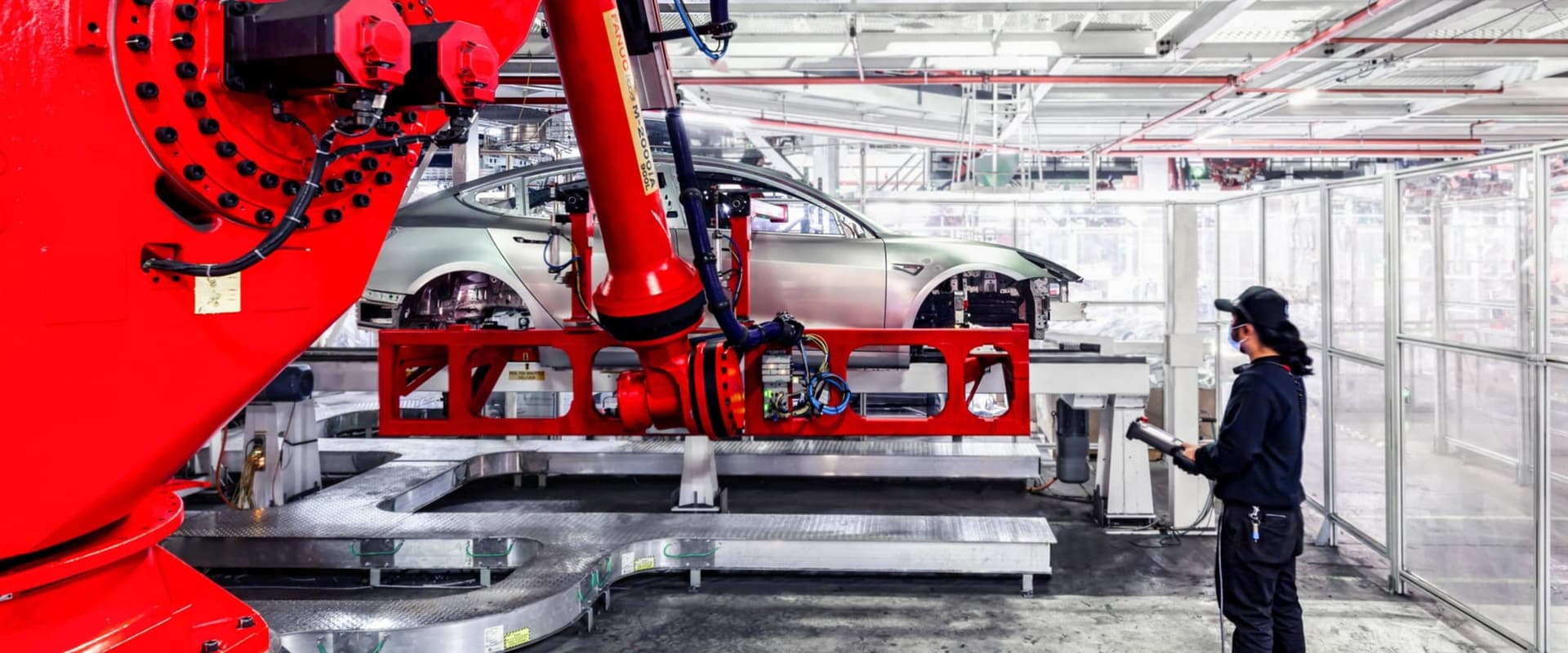
The contradiction is glaring to financial observers. Tesla is currently funding a massive human payroll, with Travis County manufacturing jobs recently reported at a lucrative average of $41.53 an hour, to construct the precise architecture meant to render those jobs unnecessary.
“The person forecasting the end of human labor is also promising to roughly double a human payroll in one city.”— Jeremy Phillips
This strategy highlights a brutal truth about the transition to a heavily automated economy. You cannot conjure a fleet of autonomous vehicles or intelligent mechanical laborers out of thin air. The transition period demands a highly localized, capital-intensive surge in traditional manufacturing. Just one day after Musk's workforce pledge, Tesla held an exclusive event rolling out 45 registered, completely steering-wheel-less Cybercabs for public rides in limited areas of Austin. Every single one of those autonomous machines was bolted together by human hands.
But a social media post is not an audited SEC filing, and Wall Street is watching the underlying math. Tesla's free cash flow recently swung negative as capital expenditures soared to fund this exact robotics push. Waymo is already aggressively expanding its own driverless footprint across Texas, applying intense pressure on Tesla to prove its camera-based approach can actually win the market before the money runs out.
The Race Against Capital
The tension now is entirely financial. Tesla is racing to build its automated future before the immense cost of its human present drains the corporate treasury. Funding a 30,000-person factory while simultaneously pouring billions into the research and development of the technology meant to replace them is a high-wire act with little precedent in modern industrial history.
If Musk is right about his timeline, the workers currently pulling down nearly $40 an hour for new hires in Austin are building the final generation of human-made transport. They are quite literally constructing the infrastructure that will eventually build itself.
Until that tipping point arrives, the math of the automation revolution remains stubbornly analog. The post-labor economy, it turns out, requires a massive amount of human sweat to build.
What people are saying

“🔥 WOW! Elon Musk just announced that likely over 30,000 people will be working high-paying jobs in AUSTIN TX by 2028, at Tesla HQ and manufacturing The left relentlessly attacks this patriot but THOUSANDS of Americans have entire livelihoods because of him! 🙏🏻”

“Probably over 30k people working in high-paying jobs at Tesla HQ & manufacturing in Austin by 2028!”

Paying Humans to Replace Humans
The Brief
Stay curious
AI and technology: what changes and why it matters.
Your daily selection, in English or Spanish.
Free forever. Unsubscribe anytime.
More stories


Conversation
Start the conversation