
 The Specialty News
Palo Alto Networks Buys Ex-OpenAI Team's Applied Compute for $4.5 Billion
The all-stock deal comes 16 days after the startup raised at a $3.25 billion valuation, and brings open-weight model training to a security company with 70,000+ customers.
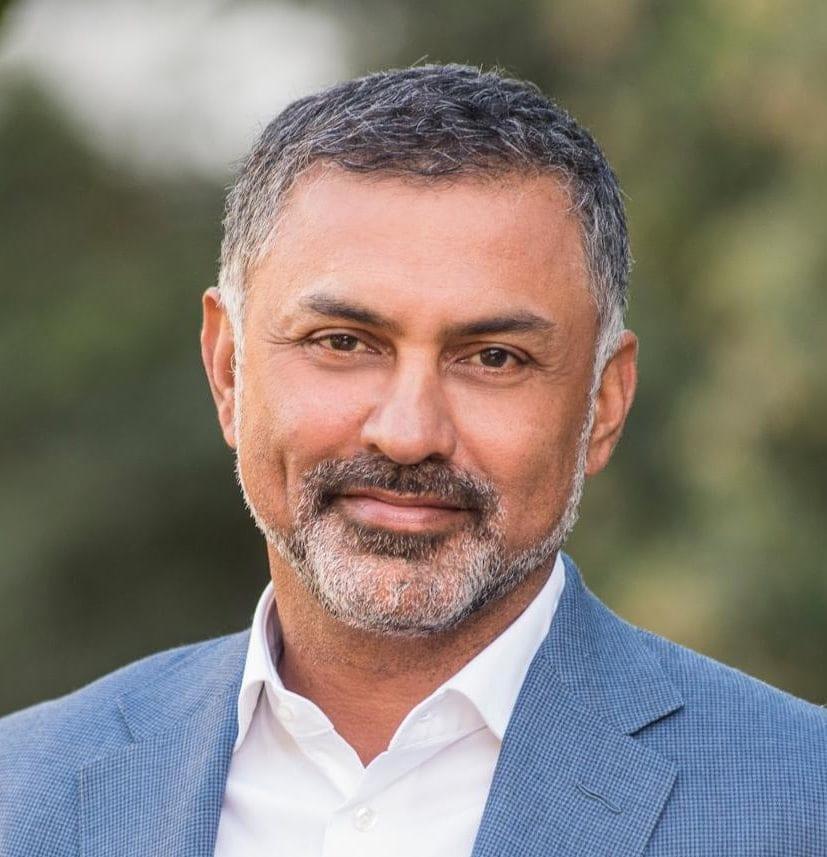
Sixteen days after Applied Compute raised $350 million at a $3.25 billion valuation, Palo Alto Networks agreed to buy it for $4.5 billion in stock. The startup, founded by three former OpenAI researchers less than 18 months ago, helps companies train and run open-weight AI models on their own data. Palo Alto, which protects more than 70,000 customers, is betting that most enterprises will run a mix of open and closed models, and that every one of them will need guarding.
Three OpenAI Researchers and a $100M Run Rate
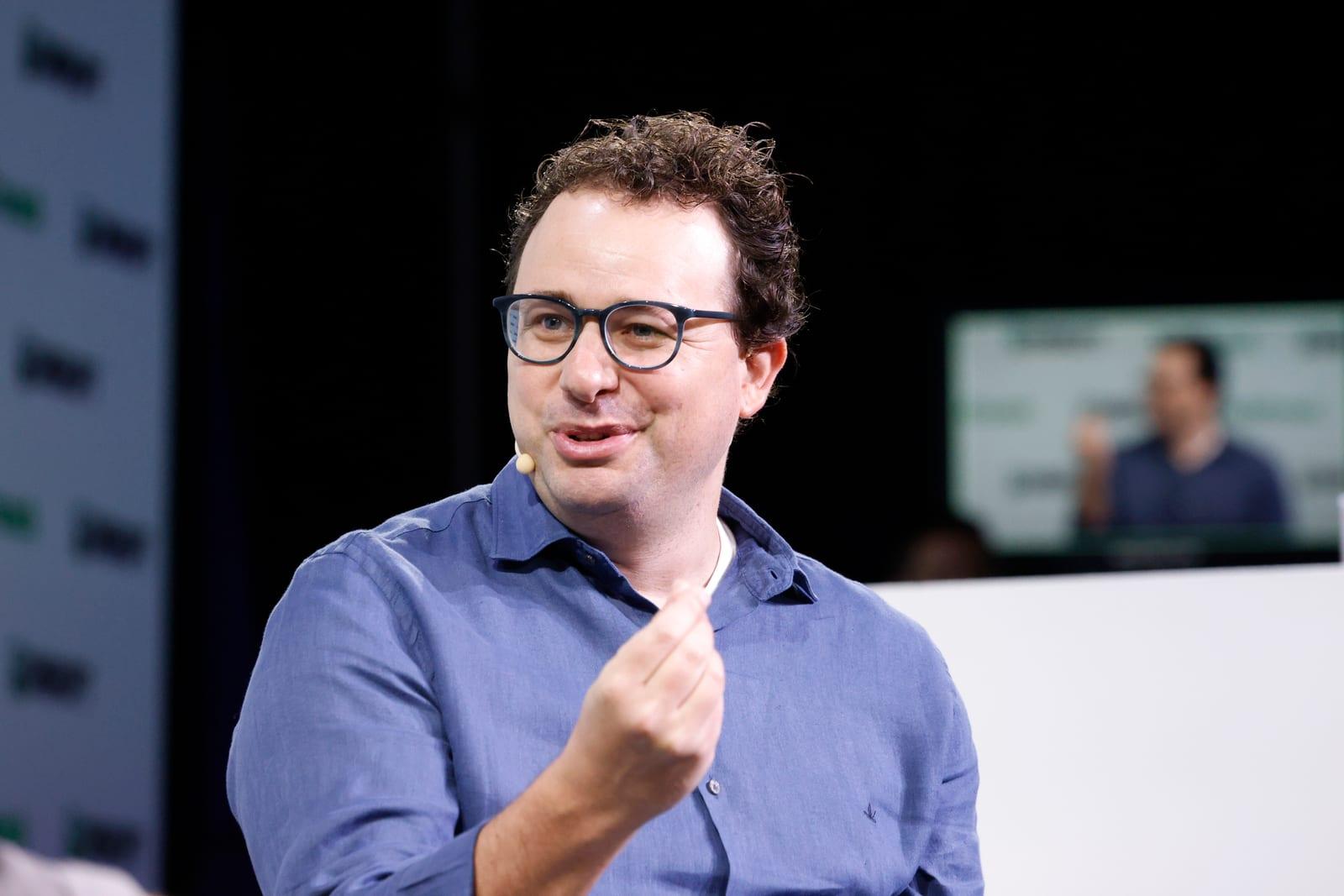
Applied Compute's three founders worked on different parts of the same problem at OpenAI. Yash Patil, now its chief executive, was a key member of the team behind Codex, OpenAI's software-engineering agent. One co-founder was a core contributor to o1, the first reasoning model trained with reinforcement learning, and the third built the systems and infrastructure for that training.
Their company does post-training: it takes open-weight models, the kind anyone can download, and tunes them on a company's own data and tasks, then serves them. Since July, customers have run more than 1,700 training runs on its AC2 platform, and its inference service now handles more than 1 trillion tokens a day. Its team has tripled since January, and 85% of it are researchers and engineers.
That growth is what drew Palo Alto in, first as a would-be customer.
Why a Security Company Wants a Model Lab
Palo Alto's chief executive, Nikesh Arora, said the company tried Applied Compute's platform as a prospective customer, and its Unit 42 threat team ran a Frontier AI Assessment that confirmed the startup's security foundations. The case for buying rests on a plain claim in the announcement: a large share of enterprises will run open models tuned to their own data, cost and control needs, and today no large provider delivers those models securely.
“Every enterprise is going to run a mix of open and closed models, and every one of those models needs to be secured.”— Nikesh Arora, Palo Alto Networks
After the deal, companies will be able to train, adapt and deploy open-weight models with security built in, either in the public cloud or in sovereign environments, the setups governments and regulated industries use to keep data inside their borders. The research team will also train Palo Alto's own large and small models, and Patil becomes the company's Co-Chief AI Officer. "Joining Palo Alto Networks will put security at the center of all our products," he said.
$1.25 Billion More in 16 Days
On November 2, Applied Compute announced its $350 million round, led by Elad Gil with Kleiner Perkins, Lux Capital, Nvidia, Blackstone and others. On November 18, Palo Alto valued it $1.25 billion higher, paid entirely in its own shares. Investors who backed the founders with $80 million in 2025, among them Benchmark and Sequoia, saw that stake turn into Palo Alto stock within about a year.
The deal still needs regulatory clearance and is expected to close in Palo Alto's fiscal third quarter, which runs from February to April 2027. Until then, and after, Applied Compute will keep serving the AI-native companies and enterprises it already works with.
For a bank or a hospital that wants an AI model of its own without sending its data to someone else's, the menu just got shorter and safer. Three researchers who left OpenAI to make open models useful have sold that idea to the company 70,000 customers already trust to keep intruders out.
From $80M to $4.5B in a Year
The Brief
Stay curious
AI and technology: what changes and why it matters.
Your daily selection, in English or Spanish.
Free forever. Unsubscribe anytime.
More stories





Conversation
Start the conversation